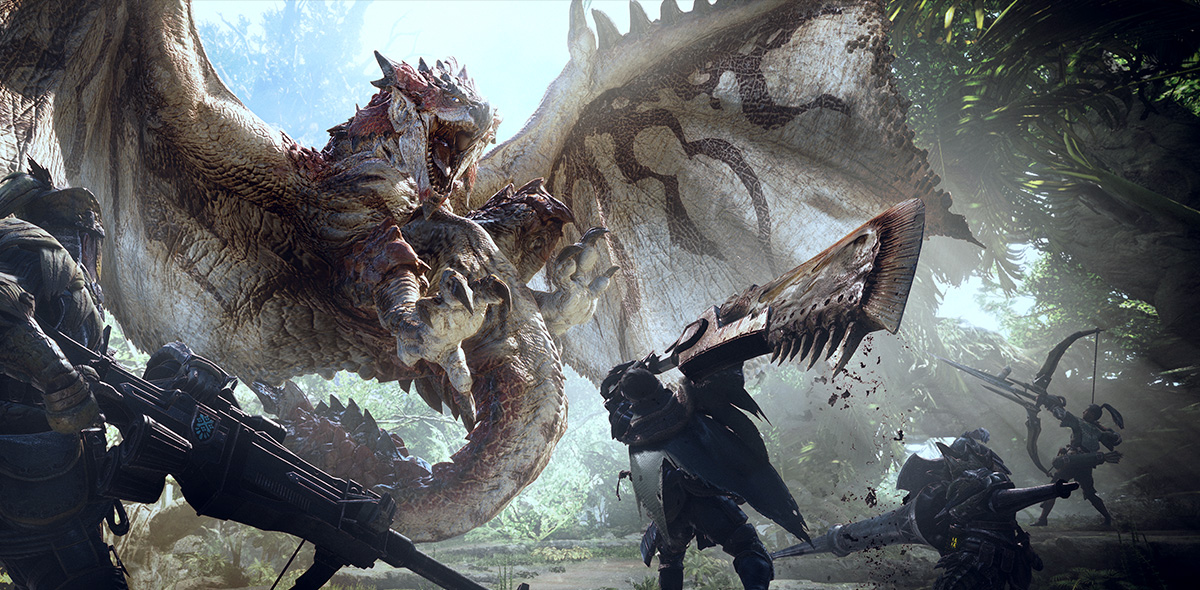
Discover the history of Capcom's action-hunting franchise, Monster Hunter
Capcom has been on a roll for the last few years. It revitalized the Resident Evil series with Resident Evil 7 and the Resident Evil 2 Remake, and released a new Devil May Cry game after six years of silence. Most shocking of all, it took the world by storm with Monster Hunter World.
This entry in the long-running franchise about hunting monsters left gamers awestruck with addicting combat, an immersive world, and memorable boss fights. It was so successful that this game went on to become Capcom's best-selling game of all time. With Monster Hunter Rise and Monster Hunter Stories 2: Wings of Ruin coming to the Nintendo Switch soon, this series' future is looking pretty bright. So make sure you acquire one of the best microSD cards for your Nintendo Switch to have enough space to download all of them, which are candidates for the best game on the Nintendo Switch.
But it wasn't always this way. For over 15 years, the Monster Hunter series struggled to find an audience internationally and was only famous in Japan. How did this series go from a Japanese-only phenomenon to a worldwide phenomenon? Let's take a look at this franchise's history and find out.
Monster Hunter Retrospective First Generation
While there are spin-off titles, the driving force of the Monster Hunter series is the mainline games. They are separated into generations, and we are currently in the Fifth Generation with Monster Hunter World, Monster Hunter World: Iceborne, and the upcoming Monster Hunter Rise and Monster Hunter Stories 2: Wings of Ruin. Every generation introduces new gameplay mechanics, new settings, new monsters to hunt, and new gear to make from their hides.
Monster Hunter
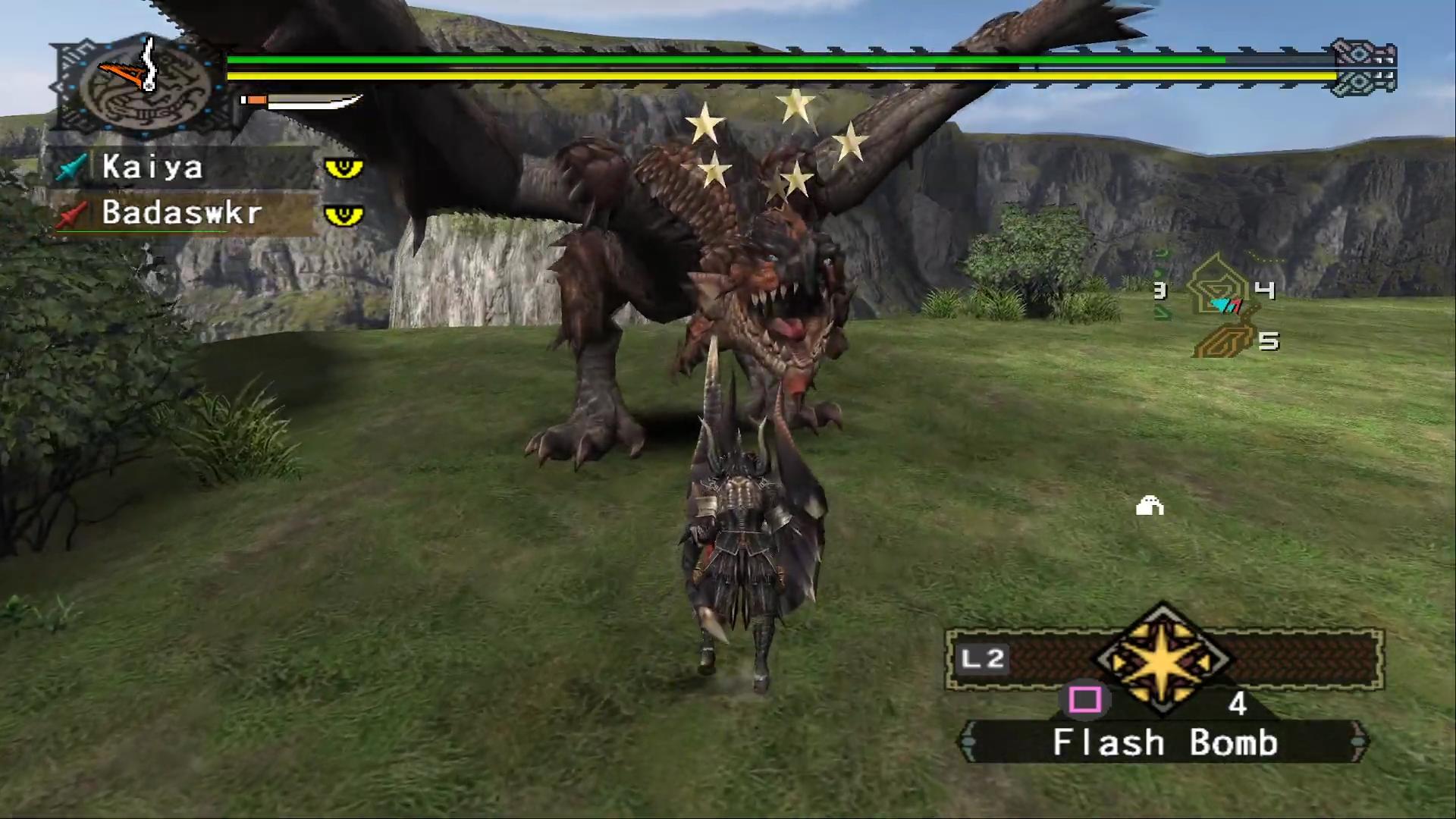
In 2000, developers at Capcom decided they wanted to make games that took advantage of the PS2's online capabilities, with the hope that at least one of them would sell a million copies. Three games were born from this initiative: a racing game called Auto Modellista, the first multiplayer-focused Resident Evil game called Resident Evil Outbreak, and an original action game called Monster Hunter. On March 12, 2004, Capcom unleashed Monster Hunter in Japan and worldwide in 2005.
Monster Hunter is an action hunting game where you and a team of hunters are tasked to kill or capture giant monsters. It's a simple premise, but unlike most action games at the time, you couldn't solely rely on reflexes to achieve victory. There was a lot of preparation involved before a hunt. You had to gather materials to make potions, ammo, traps, and equipment to wear. There were six weapon types to choose from, with a seventh added in the Western release.
Unlike most action games at the time, you can't solely rely on reflexes to achieve victory in Monster Hunter.
Once you completed preparations, you had to go to an NPC to accept a quest. Quests were divided into single-player Village quests and multiplayer Town quests (later known as Gathering Hall quests). You then had to slay or capture the monster within a time limit, with a minimum of three lives that you shared with teammates.
After defeating your target, you took its body parts to a blacksmith back at home, who will use the parts to forge more powerful weapons and armor for you to hunt bigger monsters. Hence forming the core gameplay loop of the Monster Hunter series.
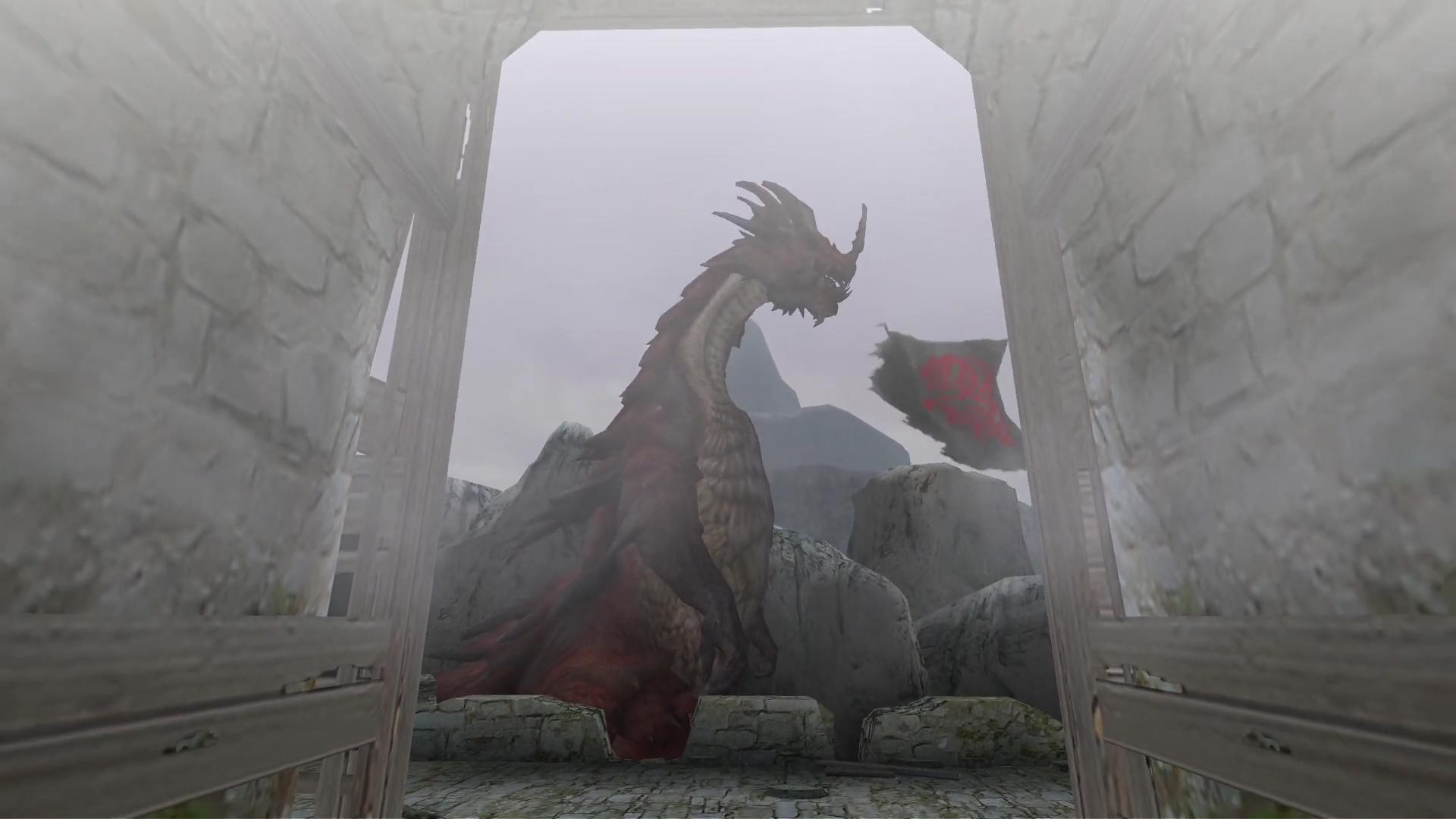
However, like any new IP, Monster Hunter had some teething issues. It had unconventional controls where you had to use the right analog stick to perform attacks and the directional pad to move the camera. Granted, you could center the camera by tapping the left shoulder button, but it didn't help much. You also had to use the face buttons while holding the left trigger to cycle through your inventory to use items. Half the time, players were fighting the controls more than the monsters.
The slow pacing also irked players. The first several hours had players crafting and hunting small fry before tackling the first big monster. You had to be patient and use hit and run tactics to defeat a monster instead of going all out, even with all the aforementioned preparations. Most people didn't take well to this slow, methodical approach compared to Capcom's faster-paced action games at the time like Devil May Cry and Onimusha.
As a result, the original Monster Hunter sold 280,000 copies worldwide. It was a still decent success, and some people enjoyed the concept, gameplay, and the monster designs despite its flaws. It was just going to need some fine-tuning to perfect.
Monster Hunter G and Monster Hunter Freedom
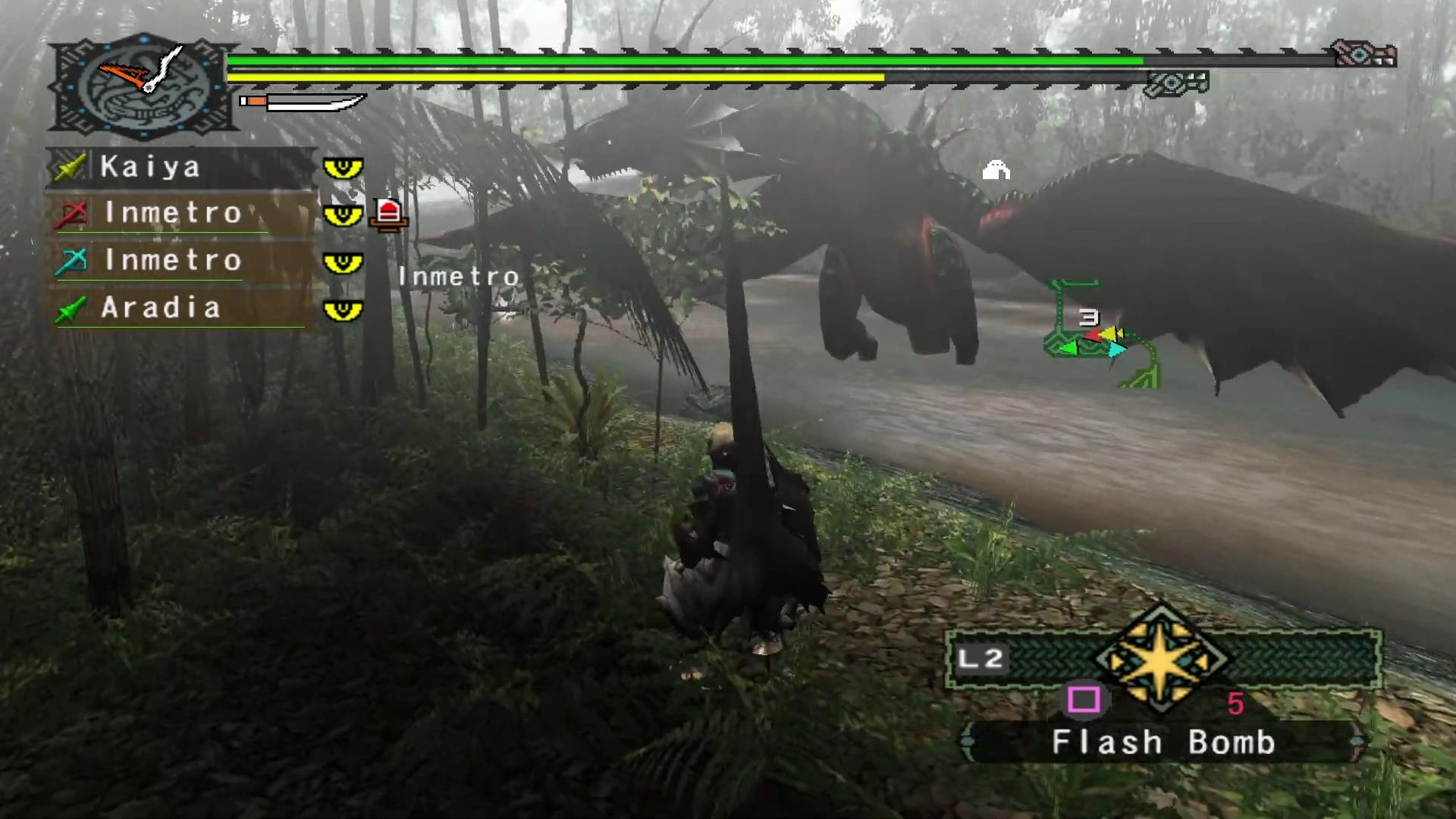
Monster Hunter wasn't done yet. Capcom released two updated versions of the game: Monster Hunter G in 2005 and Monster Hunter Freedom in 2006.
On Jan. 20, 2005, Capcom released an updated version of Monster Hunter called Monster Hunter G (the G stands for "great"), which introduced several new features that have stuck with the series to this day. In the base game, a quest's difficulty was classified as either Low Rank (easy to normal levels) or High Rank (normal to hard levels). Monster Hunter G added a brand new difficulty called G-Rank, and it involved hunting the most dangerous monsters in the game.
Monster Hunter G also revamped the armor skill system to be based on points rather than putting on specific armor pieces. This allowed players to get creative with their builds by using mixed armor sets. It also introduced the Training School where players can practice using their preferred weapons.
The new content from the G-Rank quests and armor skill revamp was well received by fans, so it was a step in the right direction. This game was never released in the West due to low sales figures overseas, but they did eventually get to experience Monster Hunter G's improvements in the next game, Monster Hunter Freedom, which was released on the PSP in Japan as well.
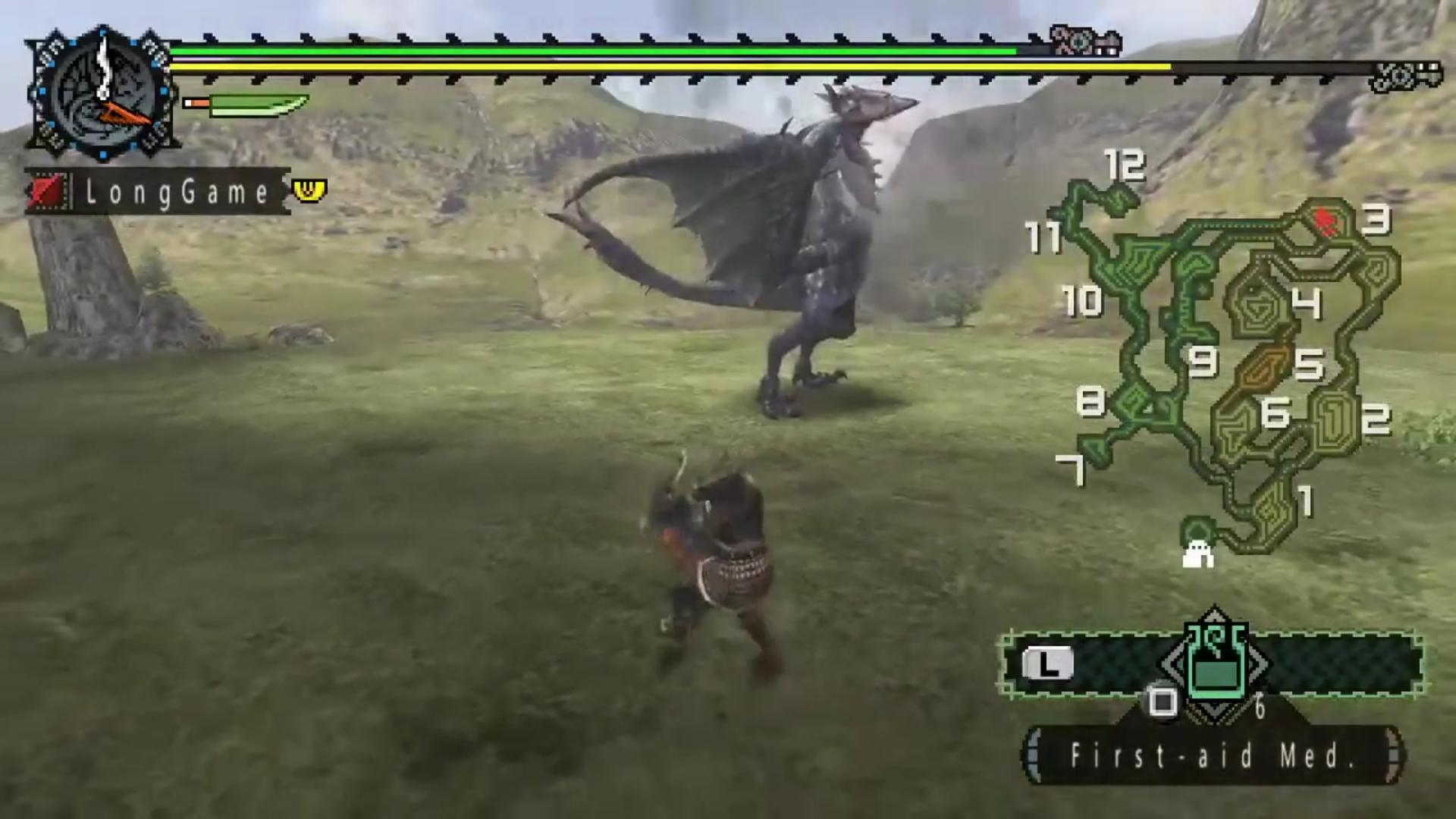
Freedom was an enhanced port of Monster Hunter and contained many features introduced in Monster Hunter G, along with brand new ones, including a multiplayer-only treasure hunt mode, a farm at your home base to help gather materials, and the Felyne Kitchen, which reworked ordering meals. Also, all online multiplayer quests could now be played offline.
The biggest and longest-lasting change was the control scheme. Since the PSP didn't have a right analog stick, developers changed the controls so the face buttons performed attacks instead. This helped fans enjoy the combat more but moving the camera was still an issue. Players had to adopt a special grip on the PSP called the Claw where they used their index finger on the directional buttons to move the camera and their thumb on the analog stick to move the character.
It took a while but Monster Hunter Freedom managed to sell over a million copies worldwide — selling twice as much as Monster Hunter G thanks to being on a portable system, which Japanese audiences prefer over home consoles.
Monster Hunter Retrospective Second Generation
After the success of Monster Hunter Freedom, the developers got to work on a sequel to the original game. However, this would be another Japan-exclusive entry because Monster Hunter Freedom only achieved a small cult following overseas.
Monster Hunter Dos
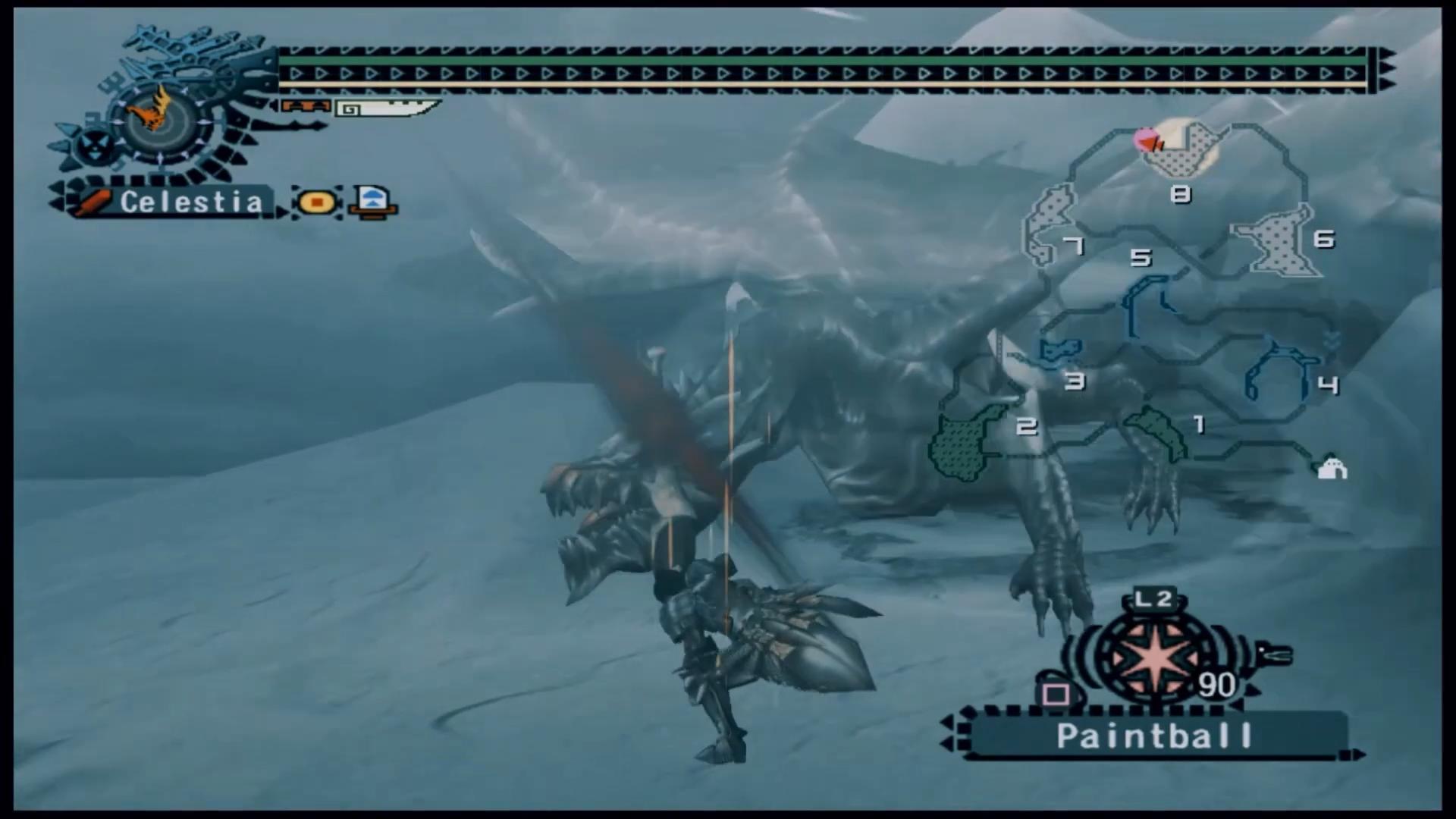
On Feb. 16, 2006, Monster Hunter Dos (also known as Monster Hunter 2) was released for the PS2. This game expanded on what worked in the first game while experimenting with new gameplay mechanics.
For starters, Monster Hunter Dos added four new weapon types, while existing weapons were updated with new mechanics and moves. For example, the Sword & Shield now allowed you to use an item with your weapon drawn, which you couldn't do with other weapons. Also, armor could now be augmented with Decorations, which were add-ons that enhanced an armor piece's abilities to make you stronger.
Monster Hunter Dos also introduced a day and night cycle and seasonal mechanic. The day and night cycle changed the conditions of the areas you explored. For example, if you were in a desert area, the environment would drain your health during the day or your stamina during the night. The seasons changed as you progressed throughout the game and increased the likelihood of certain monsters spawning or banned you from specific areas depending on the season.
While players absolutely loved playing with the new weapons, they didn't take well to the seasonal mechanic. They felt unnecessarily restricted and often had to go to bed to force a seasonal change, wasting time they could have spent hunting their favorite monster. It sold over 700,000 copies in Japan, which wasn't a huge improvement over Monster Hunter Freedom.
Monster Hunter Freedom 2
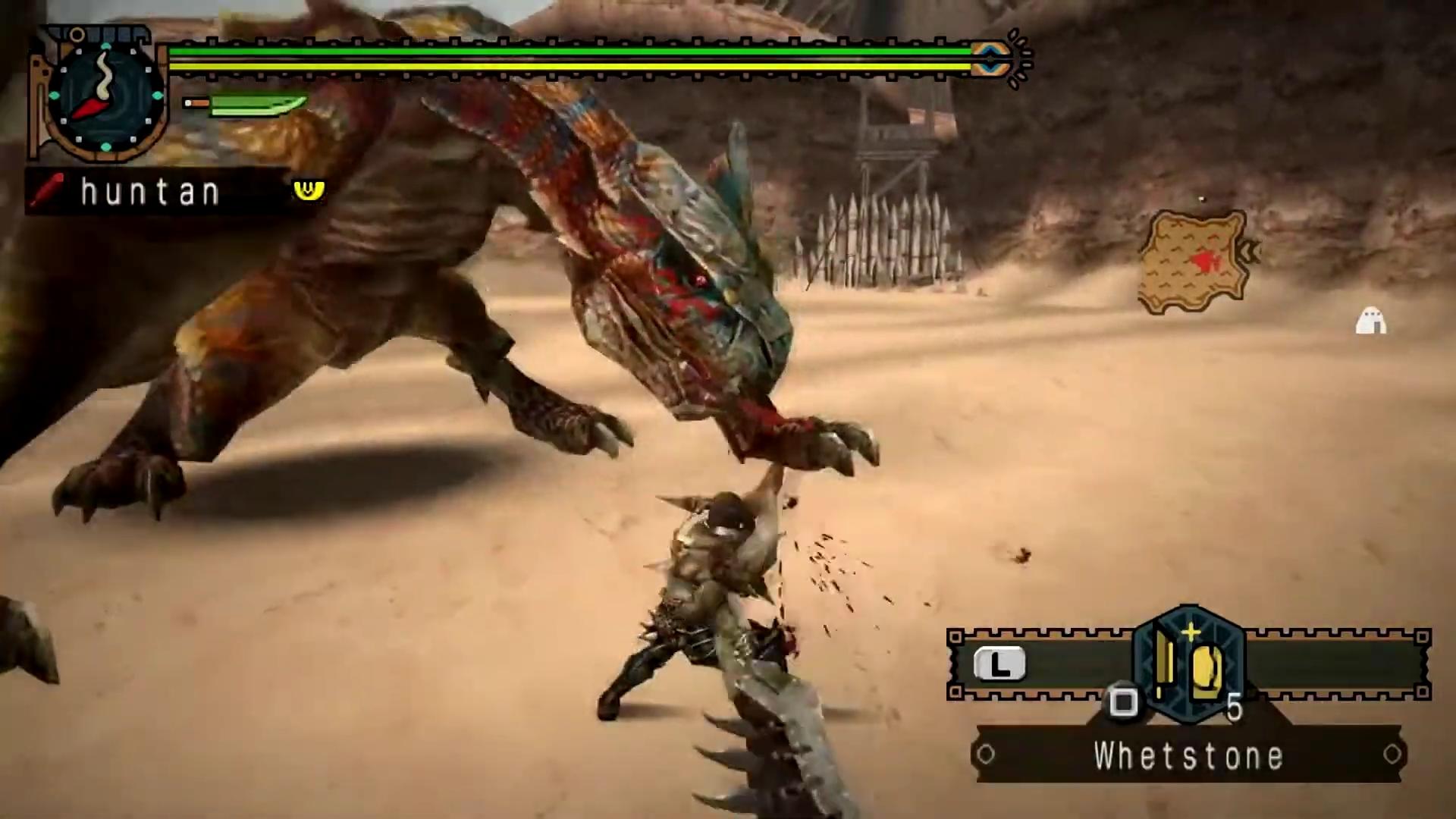
After Monster Hunter Dos, the developers decided to make another game for the PSP. However, this game wasn't going to be a port of Monster Hunter Dos, but a brand-new game. Monster Hunter Portable 2nd / Monster Hunter Freedom 2 was released in early 2007 in Japan and later in the West in August.
This game removed Monster Hunter Dos' season mechanic and reworked the day and night mechanic. Now the time of day was pre-set depending on the quest you took on. Armor spheres were also added to upgrade armor pieces, so you take less damage.
There weren't any major changes in this game. It just polished what was already there. Regardless, it was a huge hit in Japan and a modest success in the West. It was clear that Monster Hunter had found its footing on handheld systems and by reiterating on older games to make the best experience possible.
Monster Hunter Freedom Unite

Monster Hunter Freedom Unite, which was released as Monster Hunter Portable 2nd G for the PSP in Japan and Korea in 2008, was an expansion of Monster Hunter Freedom 2 and, at the time, was the biggest Monster Hunter game. Not only did it include G-Rank quests, but it also had every monster in the series to date.
Monster Hunter Freedom Unite also introduced AI companions called Felyne Companions, later known as Palicos. These were cute, humanoid cats that helped gather materials in the farms and worked in the Felyne Kitchen in previous games. Now, you could recruit them to aid you in hunts when playing offline quests.
The game was a massive hit, selling over four million copies in Japan alone and helping the franchise reach legendary heights of popularity in that country. As for the West, the audience was slowly growing and sold better than previous Western releases but nowhere the levels it did in Japan.
Monster Hunter Retrospective Third Generation
After Monster Hunter Freedom Unite's release, the developers decided to overhaul the series for the next generation of consoles. The next game tried to reinvent the way players hunted monsters, but many thought it wasn't for the better.
Monster Hunter Tri
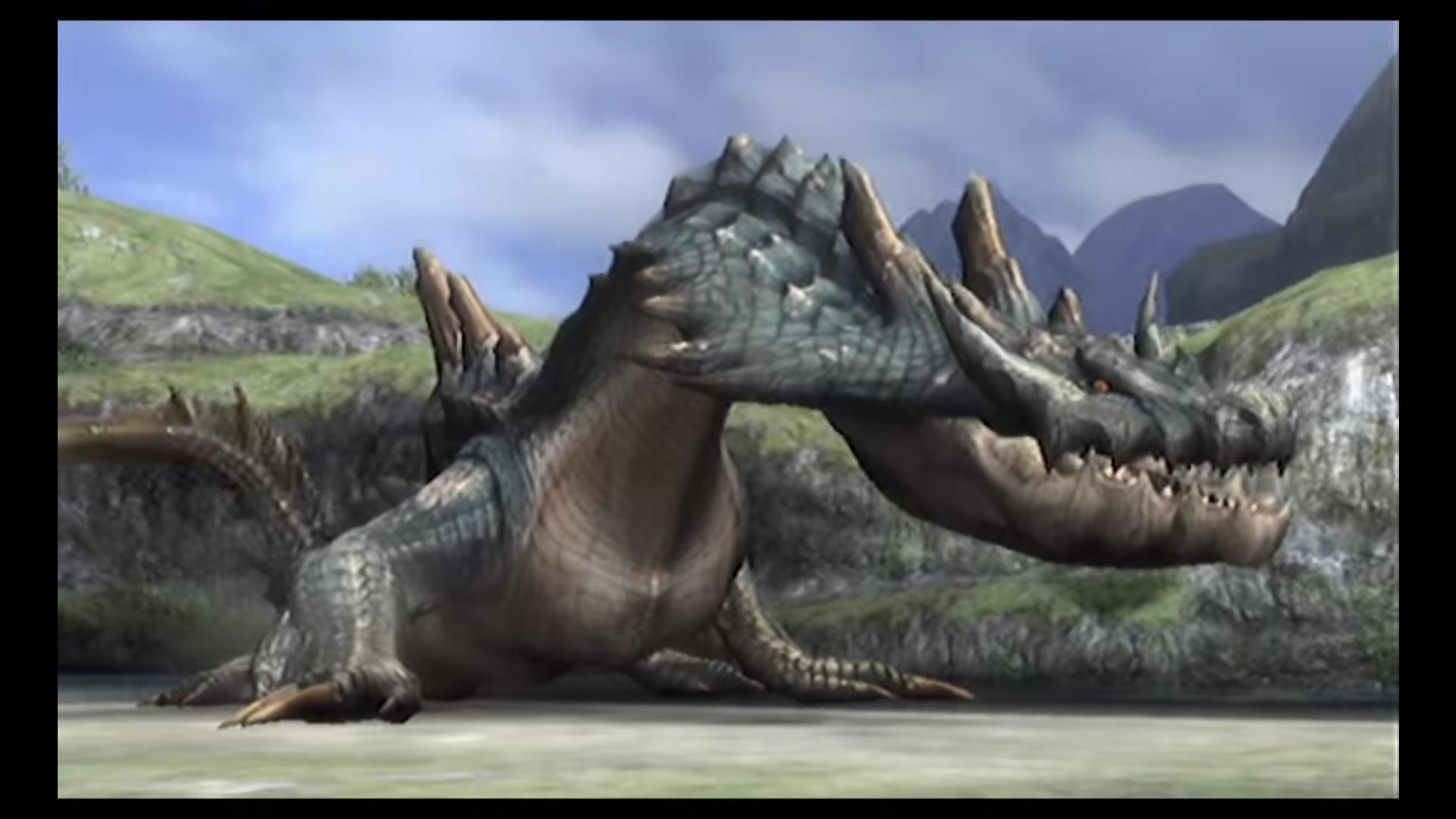
On Aug. 1, 2009, Monster Hunter Tri (a.k.a. Monster Hunter 3) was released for the Nintendo Wii. It was later released in North America, Europe, and Australia across April 2010. It was originally planned for the PS3 but was moved to the Wii due to the PS3's high development costs and the Wii's growing popularity.
Monster Hunter Tri was an ambitious title that had a lot of new ideas. For starters, it had an almost completely original roster of monsters. It introduced a free-hunting mode where players could gather materials freely without time limits or lives to worry about. It also had a couple of new weapons. However, it also introduced the most controversial gameplay addition of all: underwater combat. Not only could you fight monsters on land, but you could also fight some under the sea or in lakes.
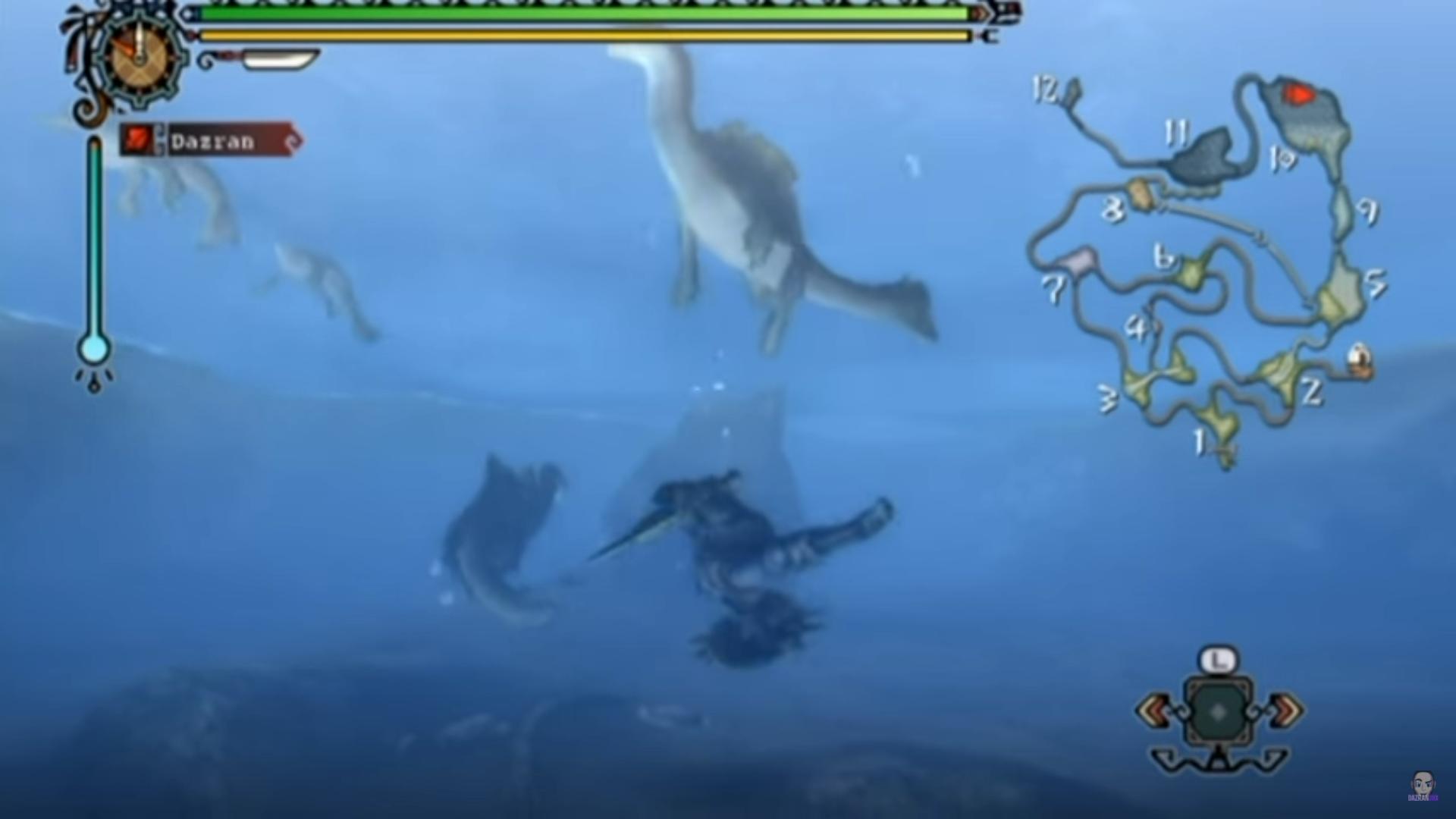
Underwater combat sounded like a good idea on paper, allowing for exciting new set pieces. Unfortunately, moving underwater was incredibly stiff compared to walking on land, and the awkward camera controls didn't help. Perhaps the most significant reason underwater combat soured players, however, was what potentially had to be sacrificed to implement it.
In an interview with Gamespot in 2017 regarding if Monster Hunter World would have underwater combat, Kaname Fujioka, a director on the games, said the underwater combat took so much time and effort to develop in Tri, implying the team had to omit familiar elements. For example, the Gunlance, Hunting Horn, Bow, and Dual Blades weapon types were not included.
As for the monster roster, while it introduced tons of new monsters only three large monsters from the previous games returned. Granted, they got graphical upgrades and new moves, but fans were still disappointed that fan-favorites like Nargacuga, Tigrex, and the terrifying Rajang didn't return.
With all these factors combined, Monster Hunter Tri didn't sell as well compared to the previous two PSP games. Granted, it was still a commercial success, selling 2.2 million copies worldwide in its lifetime, but it doesn't change the fact that Tri wasn't meeting the high standards set by Freedom 2 and Freedom Unite. It was time to go back to basics.
Monster Hunter Portable 3rd
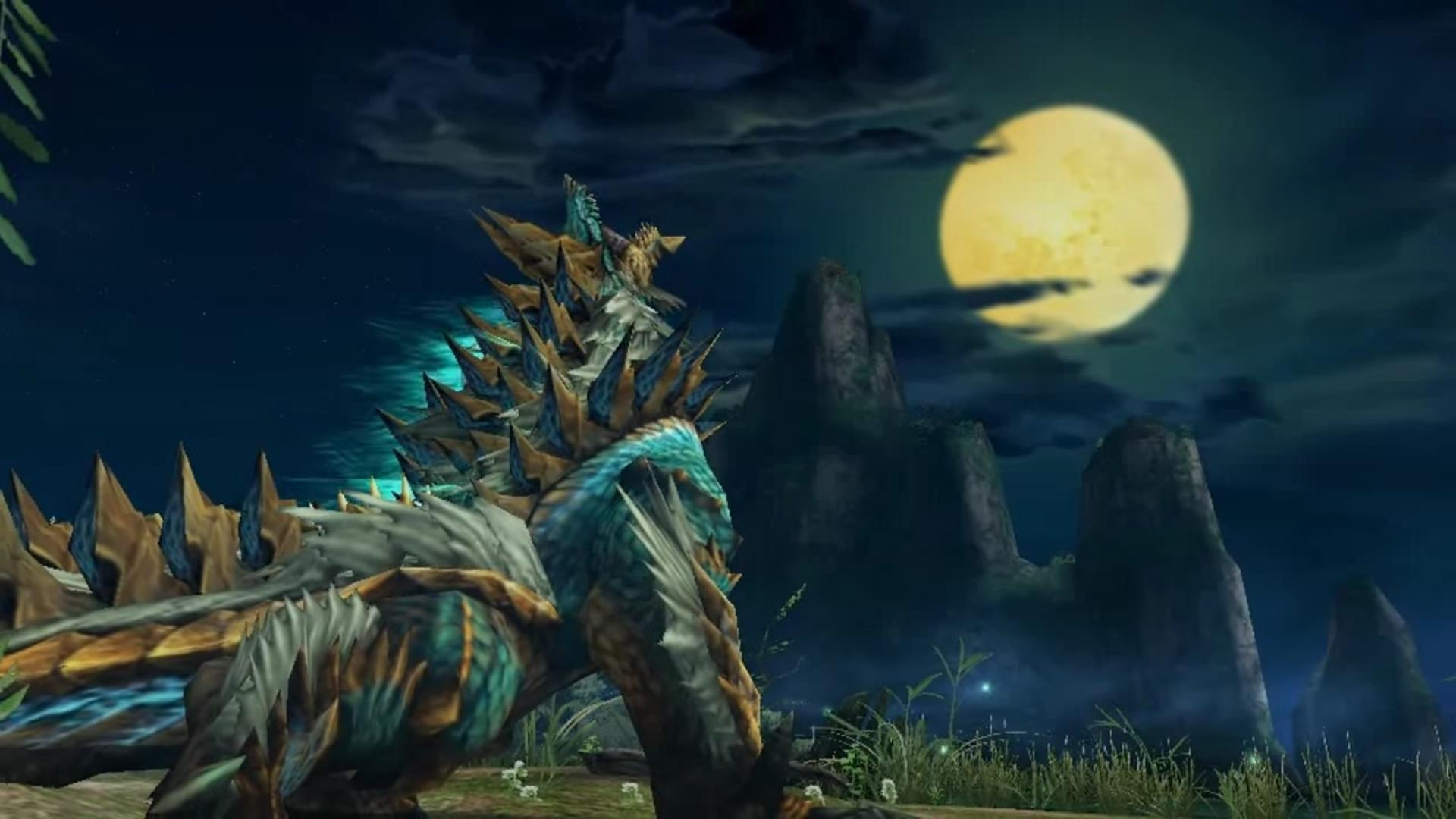
On Dec. 1, 2010, Monster Hunter Portable 3rd was released for the PSP in Japan and Korea. This would be another game that didn't make it to the West due to low sales overseas.
Capcom removed underwater combat for this entry and brought back all the weapons that didn't make it to Monster Hunter Tri. Not only that, but it also updated every weapon with new moves and mechanics to make up for not including them in Monster Hunter Tri.
Going back to a more straightforward combat system but fleshing out existing weapons sat extremely well with fans. Monster Hunter Portable 3rd sold over 4.9 million copies in its lifetime.
Monster Hunter 3 Ultimate
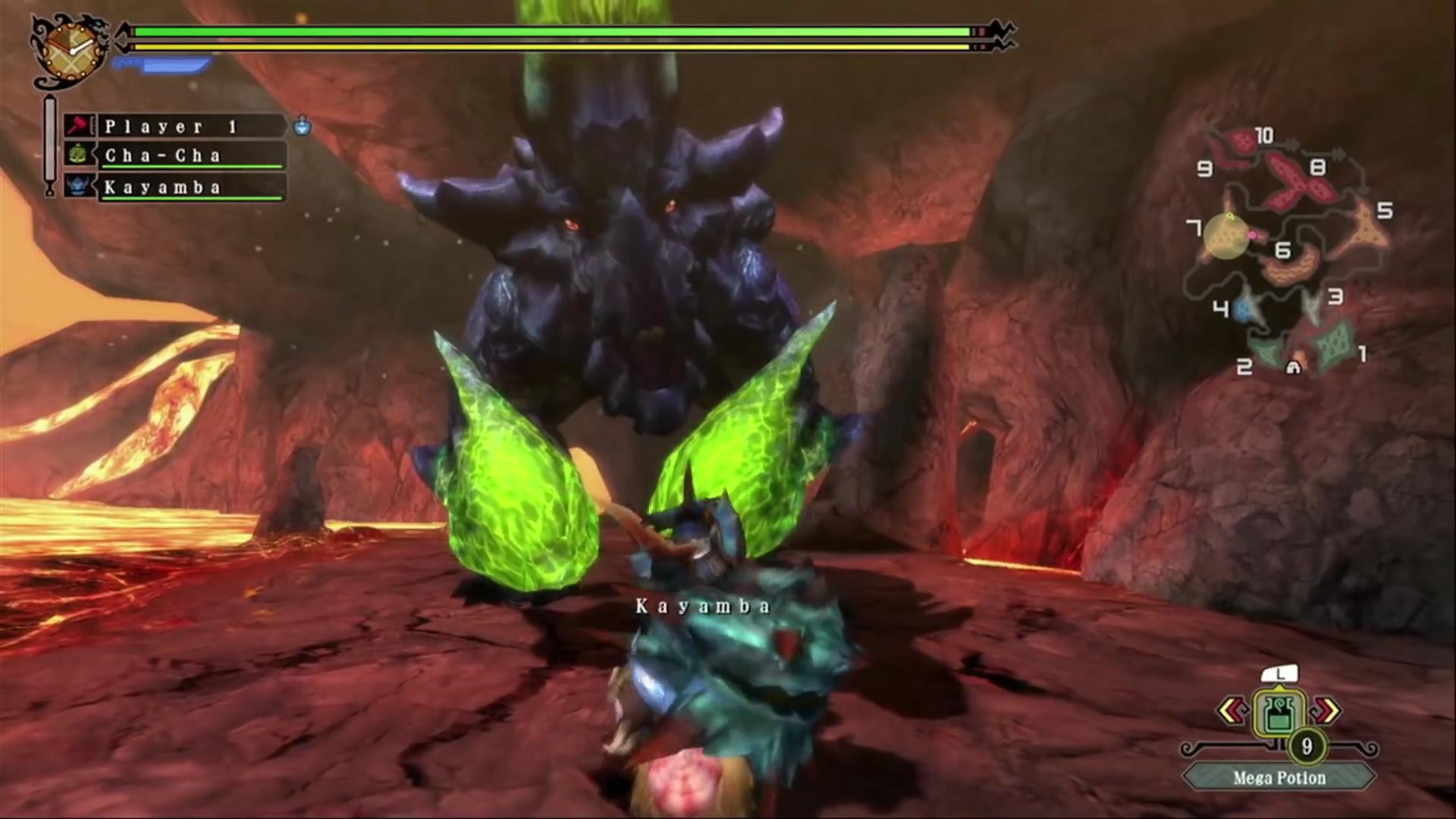
With wind back in its sails, Capcom went back to Monster Hunter Tri with a G-Rank expansion. On Dec. 10, 2010, Monster Hunter Tri G was released for the Nintendo 3DS in Japan. It was also released for Nintendo Wii U and included online multiplayer (could only play local multiplayer in the 3DS version). Both versions would release as Monster Hunter 3 Ultimate in the West in March 2011.
Monster Hunter 3 Ultimate retained the base version's underwater combat, but now all weapon types were present. One of the best new features was the Target Camera, which allowed you to lock the camera on a monster and alleviated many of the the camera control issue. Players didn't have to awkwardly use a "claw" grip on portable consoles anymore!
Monster Hunter 3 Ultimate sold well in Japan (1.9 million copies, rivaling Monster Hunter Freedom 2) and overseas. In fact, this was the first game that sold over 800,000 copies in Western countries. This convinced Capcom that Western audiences were starting to become interested in the series, and it began plans to capitalize on that potential market for the next generation.
Monster Hunter Retrospective Fourth Generation
The next Monster Hunter game wouldn't be released for a couple of years because the studio was working on something big. Capcom wanted to make ambitious updates to the formula like Monster Hunter Tri attempted but without any compromises this time.
Monster Hunter 4
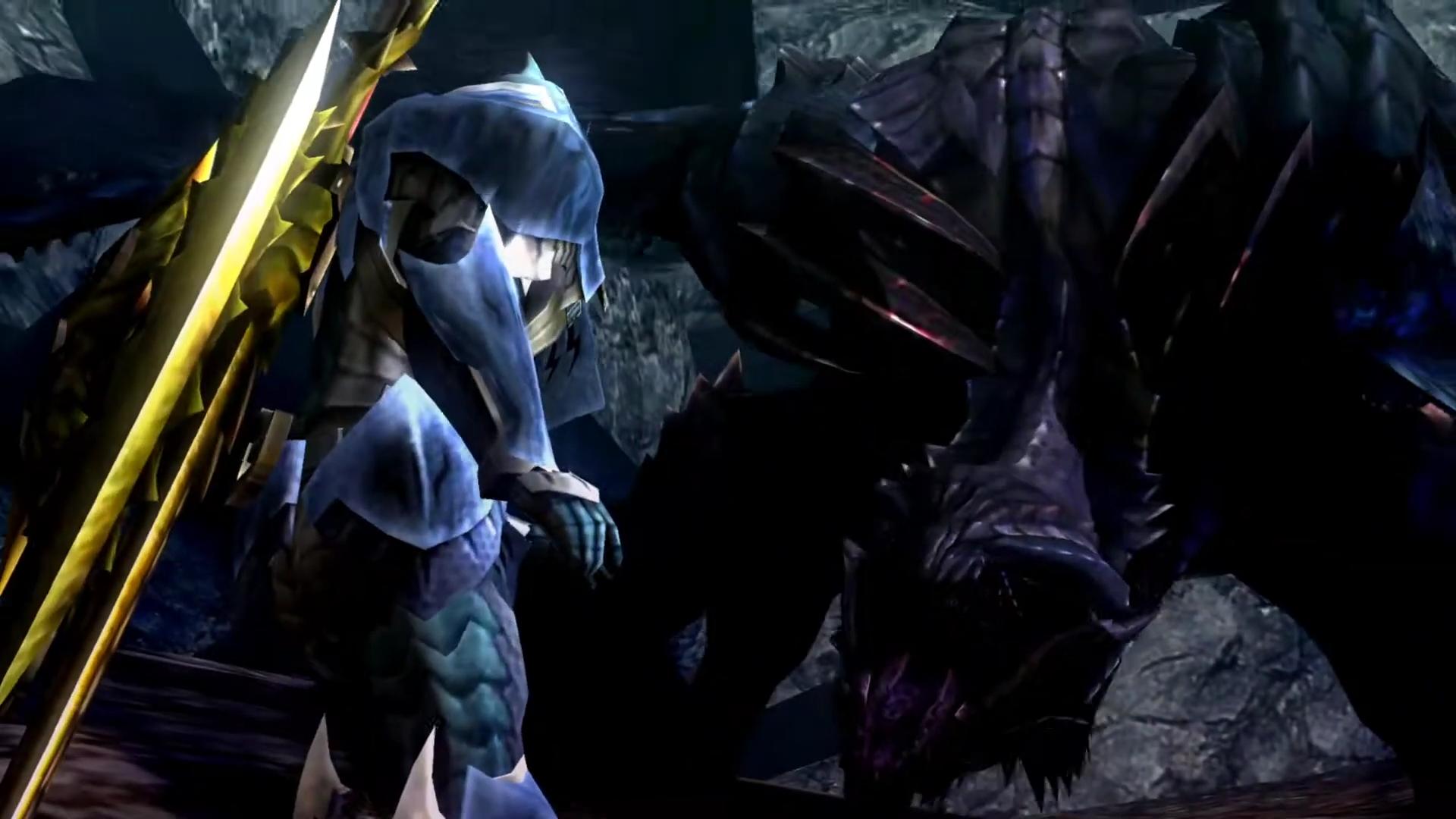
Monster Hunter 4 was released for the Nintendo 3DS in Japan in September 2014. This entry would bring some of the most significant gameplay changes to the series that persist even today.
Monster Hunter 4 focused on adding verticality to combat. All the maps had ledges and climbable surfaces the player could jump from to perform aerial attacks. These aerial attacks could then allow players to mount the monster and topple them over. It also introduced two new weapon types: the Charge Blade (my personal favorite) and the Insect Glaive. When taking the previous weapons into account, this game had 14 different weapon types for players.
This was also the first game in the series that had a cinematic narrative for Village Quests. There were plots before, but they were conveyed only through text and amounted to defending your village from a monster. Monster Hunter 4's narrative, on the other hand, had a lot of cutscenes and NPCs joining the player in the quest to stop the mysterious Gore Magala from destroying the world.
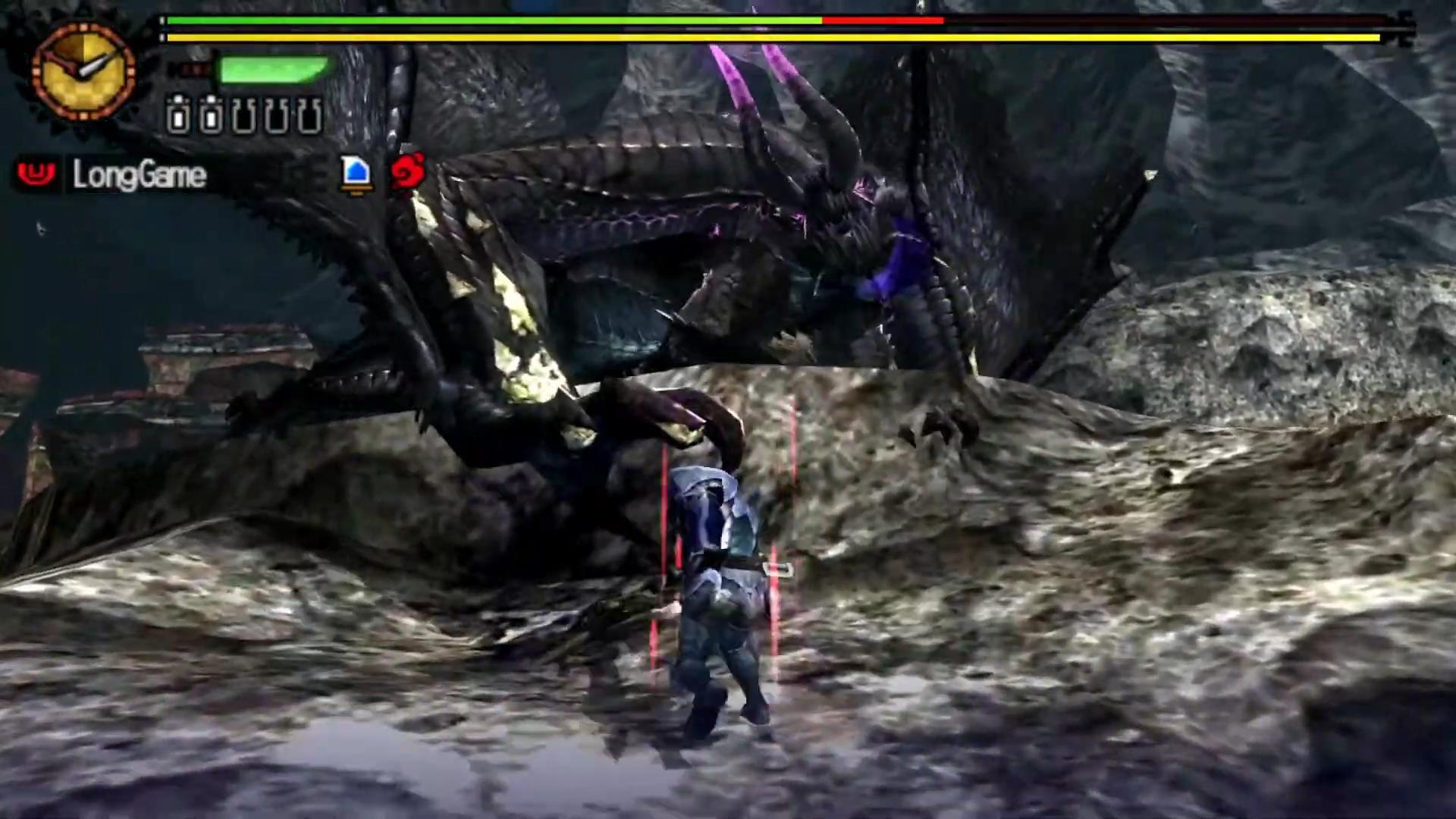
Gore Magala was the flagship monster of Monster Hunter 4, classified as an "Unknown" because nobody knew what to make of it. It had the ability to infect both people and monsters with the Frenzy Virus. Any monster infected goes on a mass-murdering rampage before succumbing to it. This disease wasn't just a plot device but a gameplay mechanic that made monsters more difficult to fight and severely harmed players if it wasn't cured.
The game was a big hit in Japan, selling over 3.6 million copies in its lifetime. Monster Hunter 4 wasn't released in the West, but not due to low sales. Since Freedom Unite and 3 Ultimate did well in the West, Capcom decided to wait until the G-Rank expansion for Monster Hunter 4 was finished and release that version overseas.
Monster Hunter 4 Ultimate
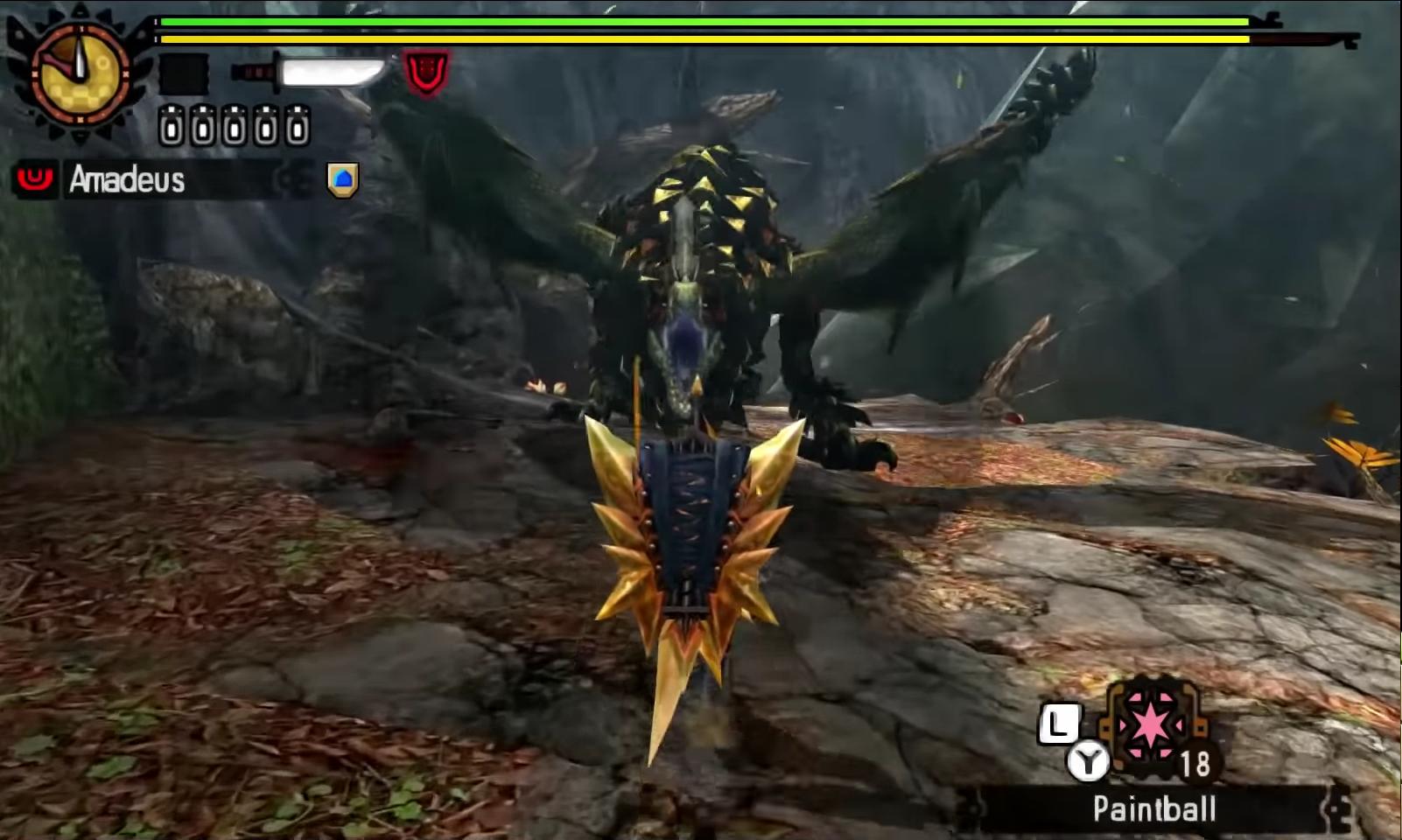
On Sept. 14, 2014, Monster Hunter 4G was released for the Nintendo 3DS in Japan. It would be later released as Monster Hunter 4 Ultimate for North America, Europe, and Australia in February 2015.
Monster Hunter 4 Ultimate's story would be the first time a Monster Hunter game's narrative directly followed a previous entry. After defeating the Gore Magala, the player has to deal with the aftermath of the Frenzy Virus. The outbreak caused several monsters to migrate from their homes and disrupt the ecosystem. Some monsters even managed to overcome the Frenzy Virus and became Apex Monsters. These beasts could spread the virus and were so powerful that players required a special item called a Wystone to take them down.
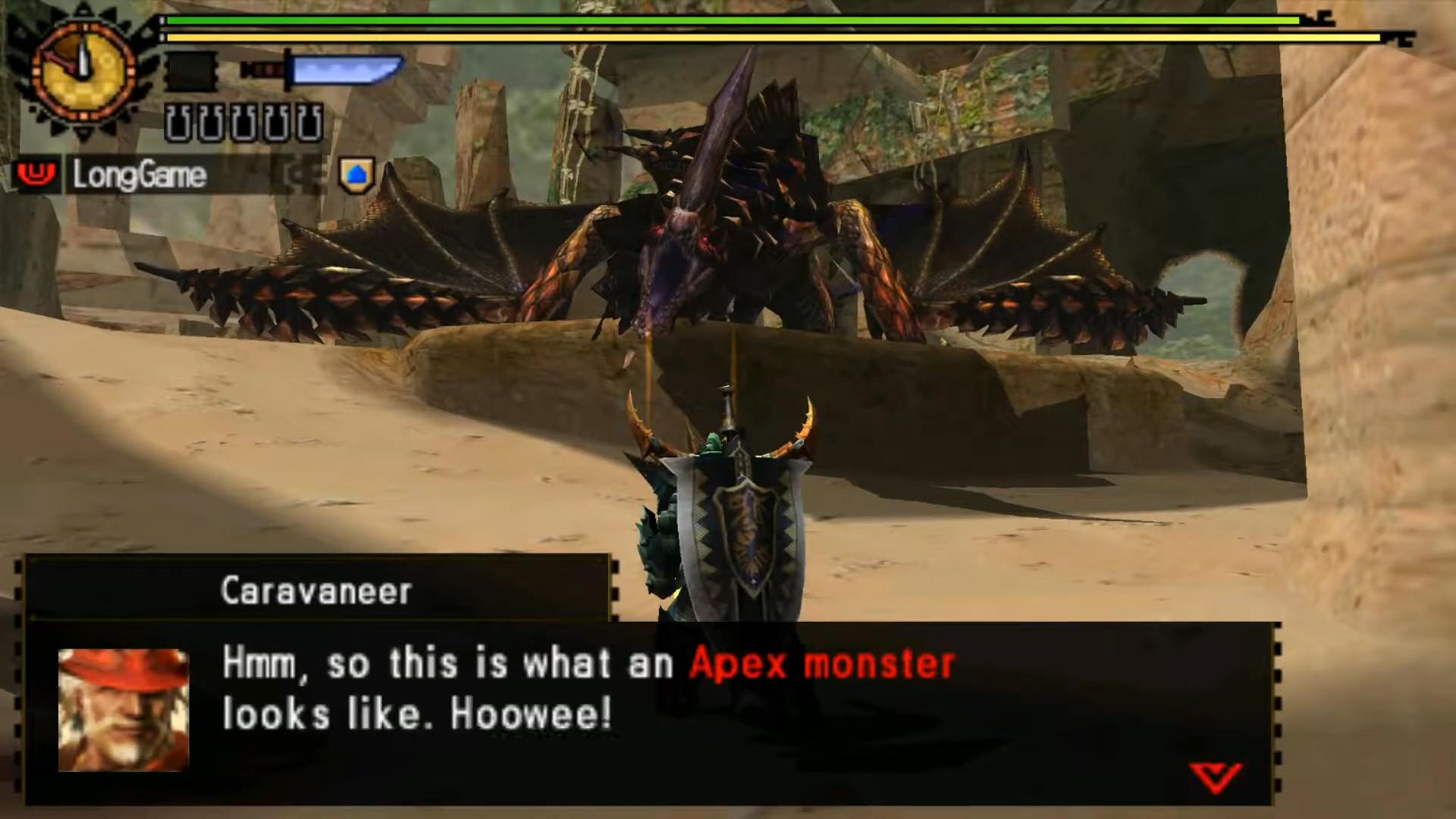
In addition to G-rank quests, Monster Hunter 4 Ultimate introduced the Everwood. This was a free-hunting mode similar to Monster Hunter Tri's Moga Woods where the player could hunt and gather materials for as long as possible. Certain monsters can only be encountered here and killing them unlocked Guild Quests, which increased in difficulty the more times you completed them. The higher the difficulty, the higher the chances were of obtaining Relic Weapons, which had randomized stats.
Thanks to the sheer amount of content and gameplay options, Monster Hunter 4 Ultimate became the first Monster Hunter game to sell over a million copies in the West. Combined with Japan's sales figures, it sold 4.2 million copies overall. Long-time fans consider Monster Hunter 4 Ultimate to be the best game in the series, surpassing even Monster Hunter Freedom Unite.
Monster Hunter Generations
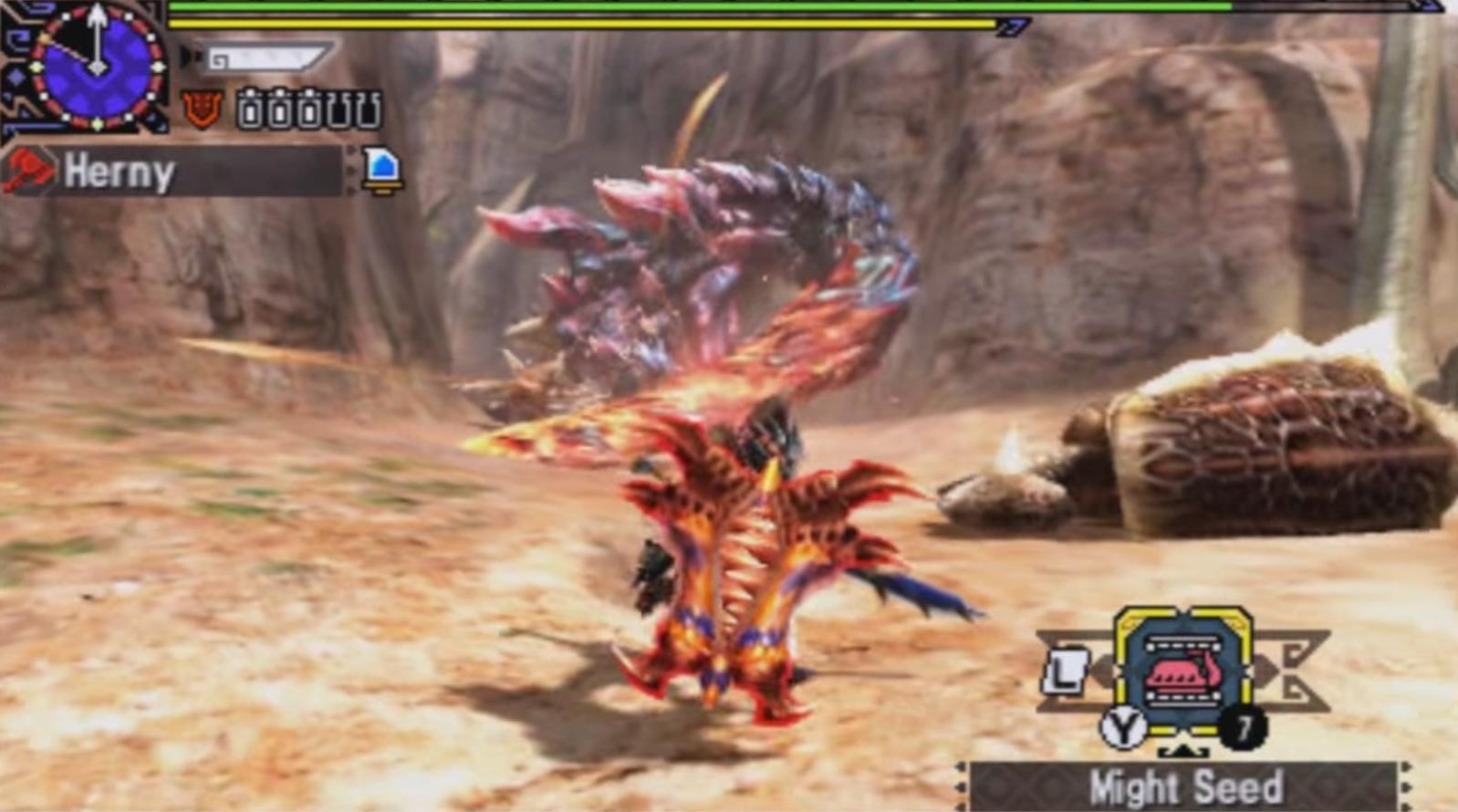
At this point, it's been over 10 years since the original Monster Hunter was released. To celebrate the franchise's 10th anniversary, Capcom released Monster Hunter Cross for the 3DS in Japan in 2015. It was released later in the West as Monster Hunter Generations in July 2016.
While this game didn't have a plot to speak of, it made up for it with a massive amount of content by including nearly every monster to date. Generations also introduced Deviants and Hyper Monsters, which were radically different from their regular counterparts and featured a lot of new moves.
To counter this all-star roster of monsters, Monster Hunter Generations introduced Hunter Styles and Hunter Arts, which changed up combat by introducing new moves, including super-moves and buffs.
Monster Hunter Generations managed to sell just as well as Monster Hunter 4 Ultimate worldwide. Players loved the unheard-of number of ways they could hunt monsters and the sheer amount of them. However, some missed having a dedicated story mode to get invested in.
Monster Hunter Stories
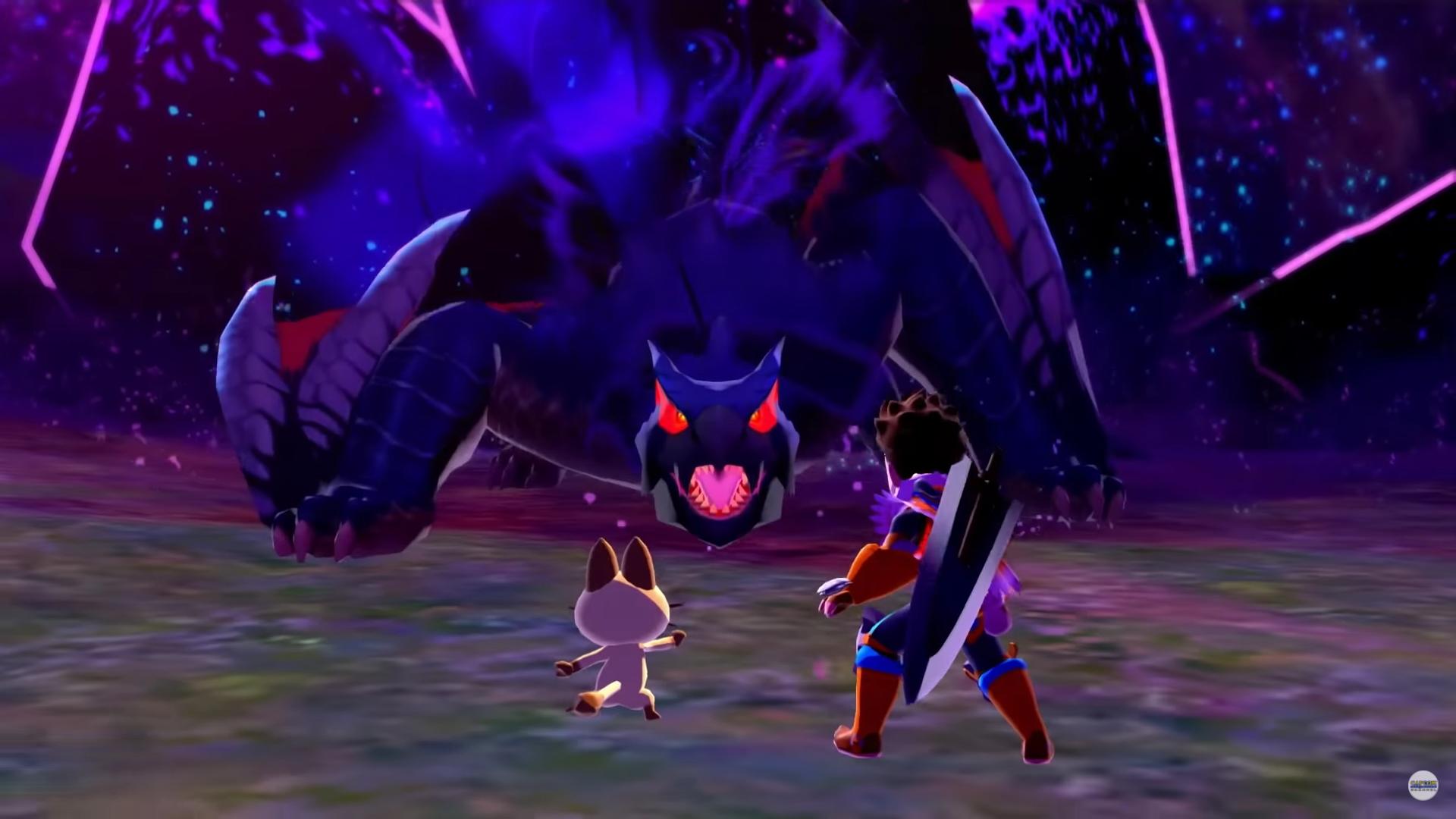
The next mainline Monster Hunter game wouldn't be released for a long time. However, fans would still get monster-hunting action in the meantime. Little did people know one of those titles would take the gameplay mechanics of Monster Hunter and combine it with the creature-catching aspects of Pokémon.
Monster Hunter Stories, which was released for the Nintendo 3DS in Japan in Oct. 2016, then later in the West in 2017, was a turn-based JRPG, and was the most story-driven Monster Hunter game to date. You assumed the role of a Monster Rider, who tends to befriend monsters instead of killing/capturing them. Your goal was to save the world from a mysterious plague called the Black Blight that's been causing monsters to attack humans.
Stories gave players a new kind of Monster Hunter game. Battles were turn-based, like in Pokémon, but you could fight with your monster, along with traps, weapons, and items you normally used in the main games. Riders can even mount their monster (or Monstie as the game calls them) to perform flashy team-up attacks.
It was an interesting concept that flew under the radar when it was first released. However, since its sequel Monster Hunter Stories 2: Wings of Ruin was announced, interest in this game has skyrocketed. This is deserving because, in my opinion, Monster Hunter Stories is one of the best Pokémon-lite games out there.
Monster Hunter Generations Ultimate
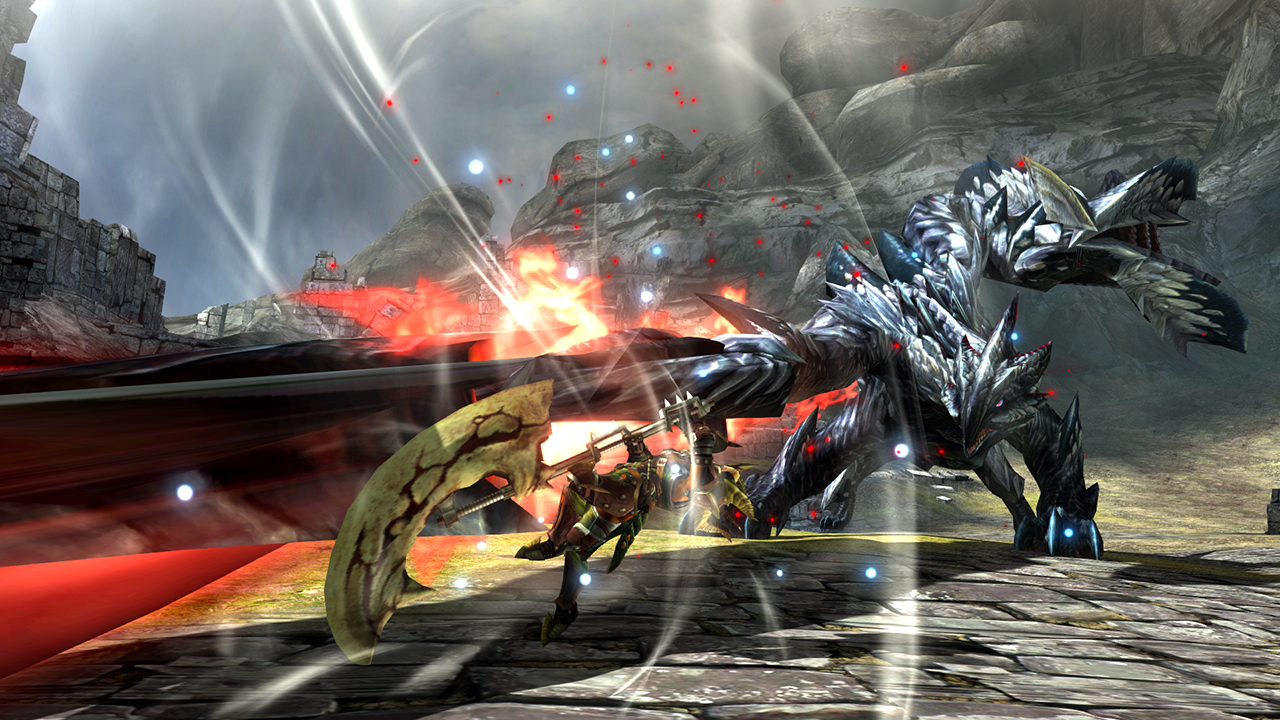
In 2017, Capcom released a G-Rank expansion of Monster Hunter Generations called Monster Hunter Double Cross (a.k.a. Monster Hunter Generations Ultimate) in Japan for the Nintendo 3DS. It got a Nintendo Switch port a few months later. Players in Western countries, however, would only get the option to play the Switch version in 2018.
If you thought the base version of Generations was jam-packed with content, then Generations Ultimate is bursting at the seams. It expanded the monster roster with more Deviant monsters and two new flagship monsters: the rocket-powered Elder Dragon, Valstrax, and the bloodthirsty Bloodbath Diablos. There are also many new Hunter Arts to equip and two new Hunter Styles to play with.
However, perhaps the biggest addition that rarely gets talked about is that this was the first Monster Hunter game where you could use the right analog stick to move the camera, thus eliminating the need for the Claw grip once and for all after nearly a decade. It was a huge success, selling 3.3 million copies worldwide.
With the 3DS nearing the end of its lifespan, fans were waiting and ready for the next generation of Monster Hunter.
Monster Hunter Retrospective Fifth Generation
For the next game, the developers finally buckled down on capturing the Western market. They also wanted to take advantage of home console hardware to take what they did in Monster Hunter 4 to the next level.
Monster Hunter World
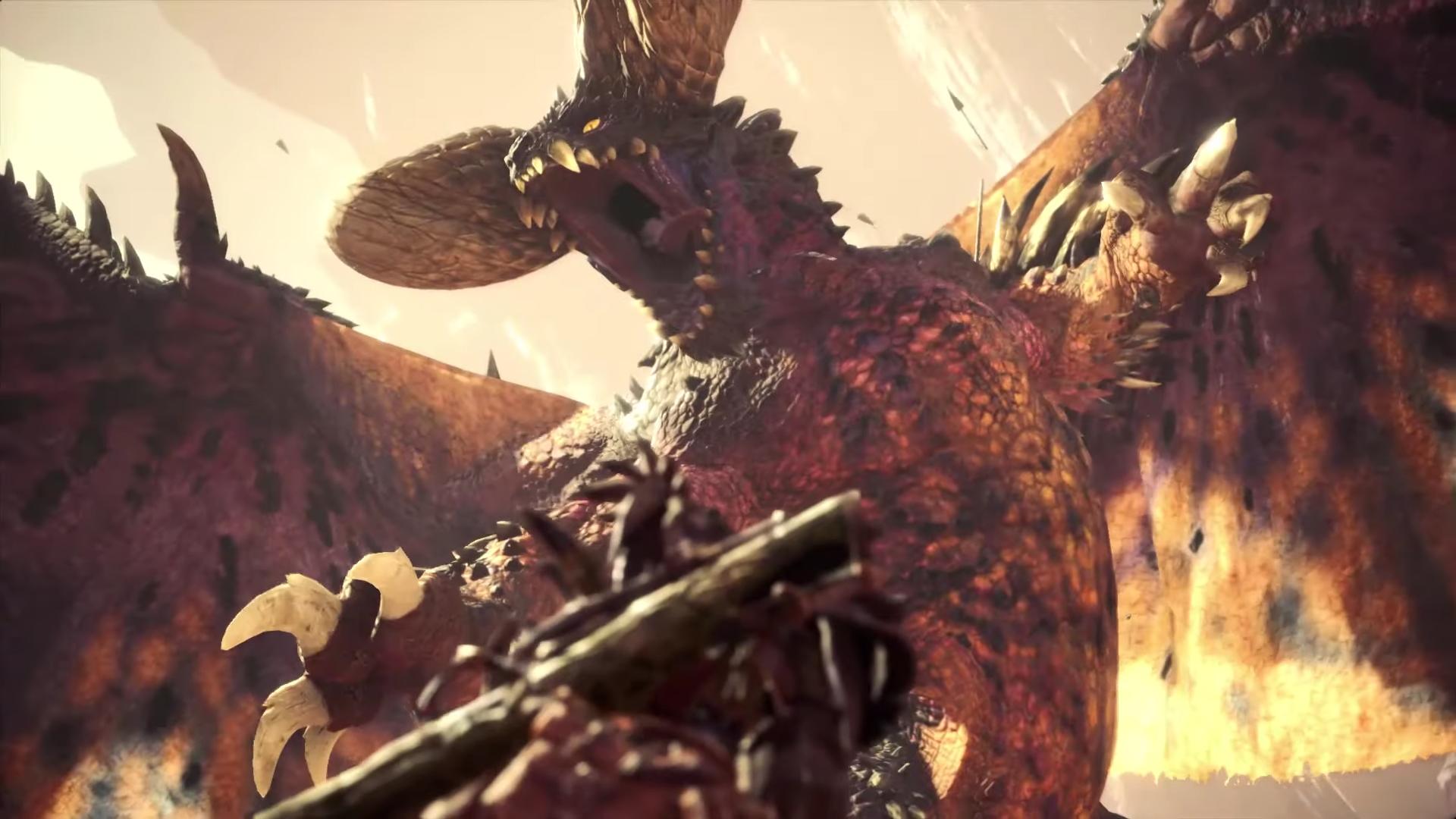
On Jan. 26, 2018, Monster Hunter World was released worldwide for the PS4 and Xbox One. The PC version would later be released in August.
You played as a hunter assigned to help the Research Commission, a group of hunters, researchers, and workers tasked with researching the Elder Crossing. This phenomenon involves several Elder Dragons migrating to a continent called the New World once every decade. This expedition will not be easy though because the New World is filled to the brim by all manner of prehistoric predators like the Elder Dragon eater, Nergigante.
The list of changes Monster Hunter World brought to the series could be its own article. For example, gathering materials was made a lot more convenient with improved farms and tools. The controls were more fluent than ever, and shortcuts were implemented for quick item usage. Loading screens in-between areas on the map during hunts were removed, so they now functioned like miniature open-world maps. Multiplayer quests now scaled in difficulty depending on the number of players in a party. These were just a few of the many quality-of-life improvements that helped newcomers finally get into the franchise after being alienated by prior games' large difficulty curves.
All the monsters' AI were changed, so they acted more like real animals. Some were passive and only attack when provoked, while others were aggressive and attack anything in sight. Monsters also engaged in cinematic Turf Wars that simulate battles you would see in giant monster movies.
Monster Hunter World did have its faults though. It tried to combine the single-player and multiplayer quests with clunky results. Players had to complete several roadblocks and watch unskippable cutscenes in solo play before they could join quests with their friends. It was unintuitive compared to other co-op games like Gears of War and Destiny, where players can enjoy the story content together or skip the cutscenes to get right into the action.
Players also criticized the lack of variety of the monster roster, which mainly consisted of dinosaurs, wyverns, and dragons. They were also very vocal about the lack of visually appealing weapon designs, saying that over half of the weapons recycled the same few models with a bit of monster meat slapped on.
Still, Monster Hunter World's flaws did not detract at all from its triumphant success. While it sold 2.9 million copies in Japan, it sold a whopping 13.2 million copies in the West. Not only did this game finally break Monster Hunter out of niche appeal in the West, but it also became Capcom's best-selling game ever, overthrowing Resident Evil 5.
Monster Hunter World: Iceborne
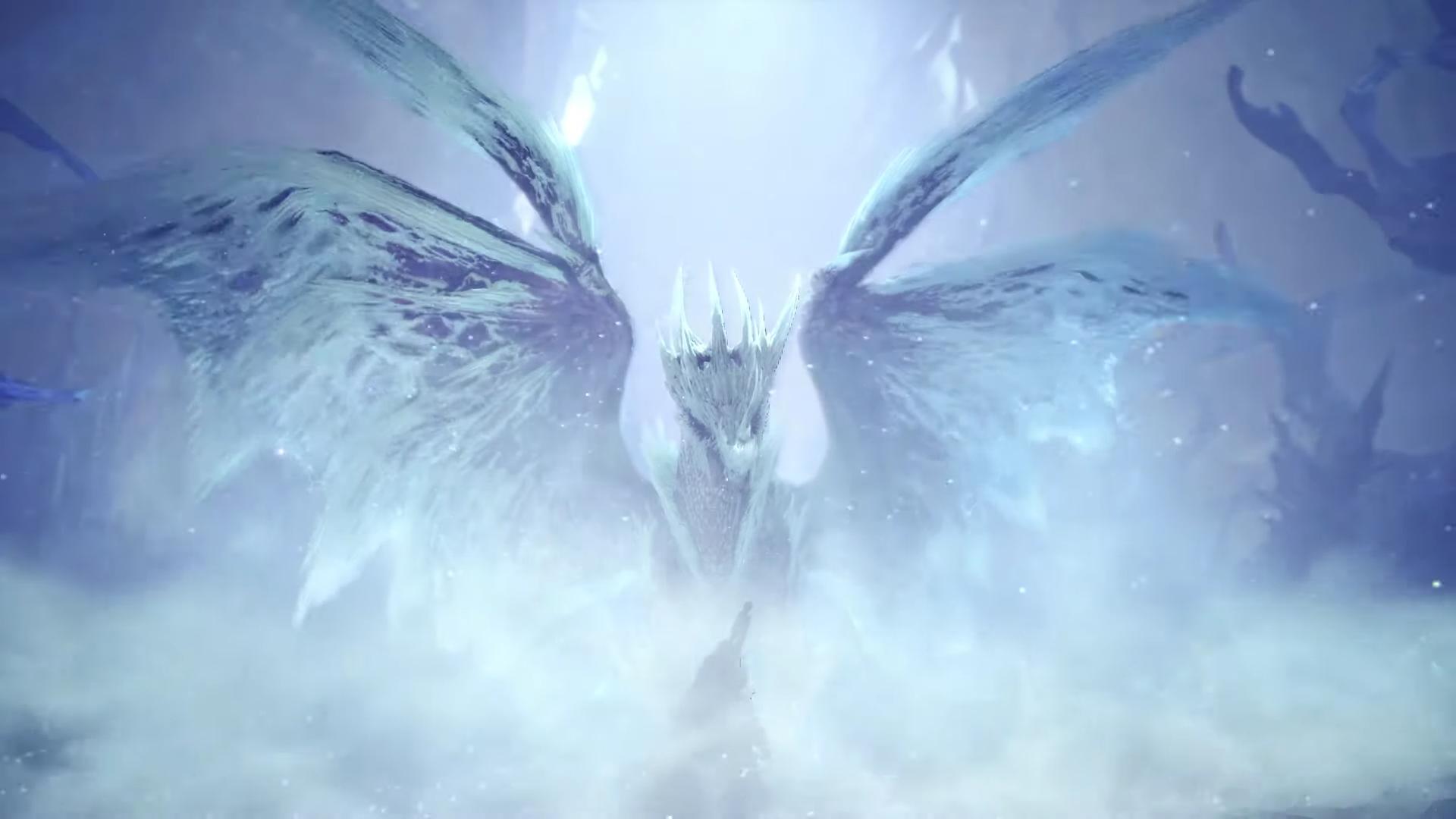
As you can imagine, the developers wasted no time making a follow-up to their global smash hit. However, instead of releasing an expanded edition of Monster Hunter World, Capcom released its first DLC expansion pack for the game. Monster Hunter World: Iceborne was released on PS4 and Xbox One on Sept. 6, 2019, with a PC version coming early the following year.
After solving the mystery of the Elder Crossing, the Research Commission receives another task. A flock of Legiana and Iceborne's flagship monster, the ice Elder Dragon Velkana, have been forced out of their home, the Hoarfrost Reach. When you get there to find out why you discover some seismic activity that not only may be the source of the problem but also potentially poses a danger to all life in the New World.
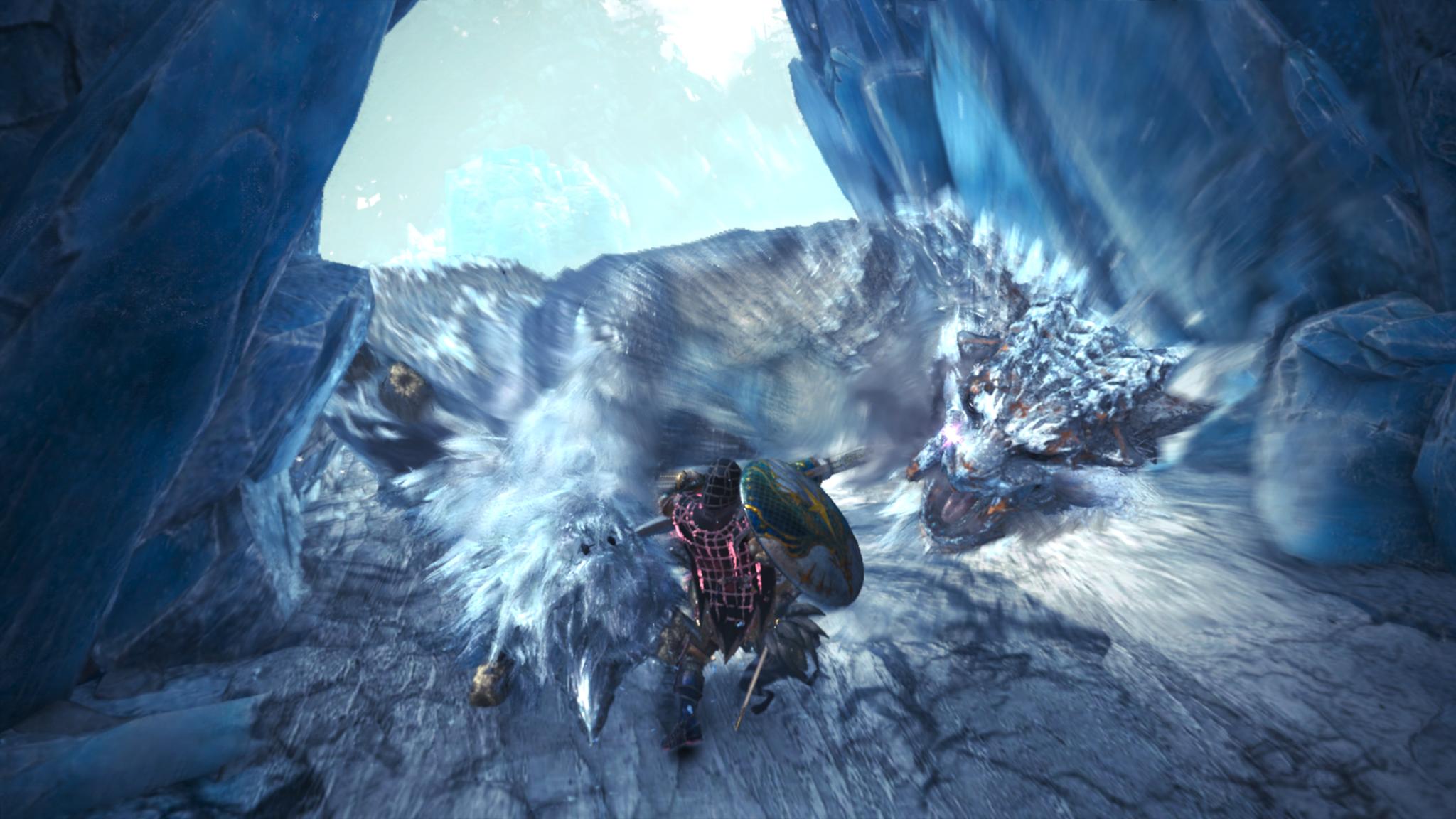
In addition to G-Rank quests (now renamed Master Rank quests), there was a postgame map called the Guiding Lands. It's a free-hunting area similar to the ones from Monster Hunter Tri and 4, but it was the biggest one yet. Players would encounter monsters exclusive to this area and acquire materials to upgrade gear to the highest level.
Iceborne introduced a divisive mechanic to the combat system, the Clutch Claw. This gadget allows you to stick onto a monster to tenderize their hide or launch them into walls, objects, or other monsters. The Clutch Claw also had unique moves it can perform when combined with your weapons. Some loved the idea of launching monsters into each other and the new attacks, while others felt it barely worked half the time and only interrupted the flow of combat.
Nonetheless, Monster Hunter World: Iceborne was still a solid experience and sold over five million copies worldwide.
Monster Hunter Retrospective What's in the future for Monster Hunter?
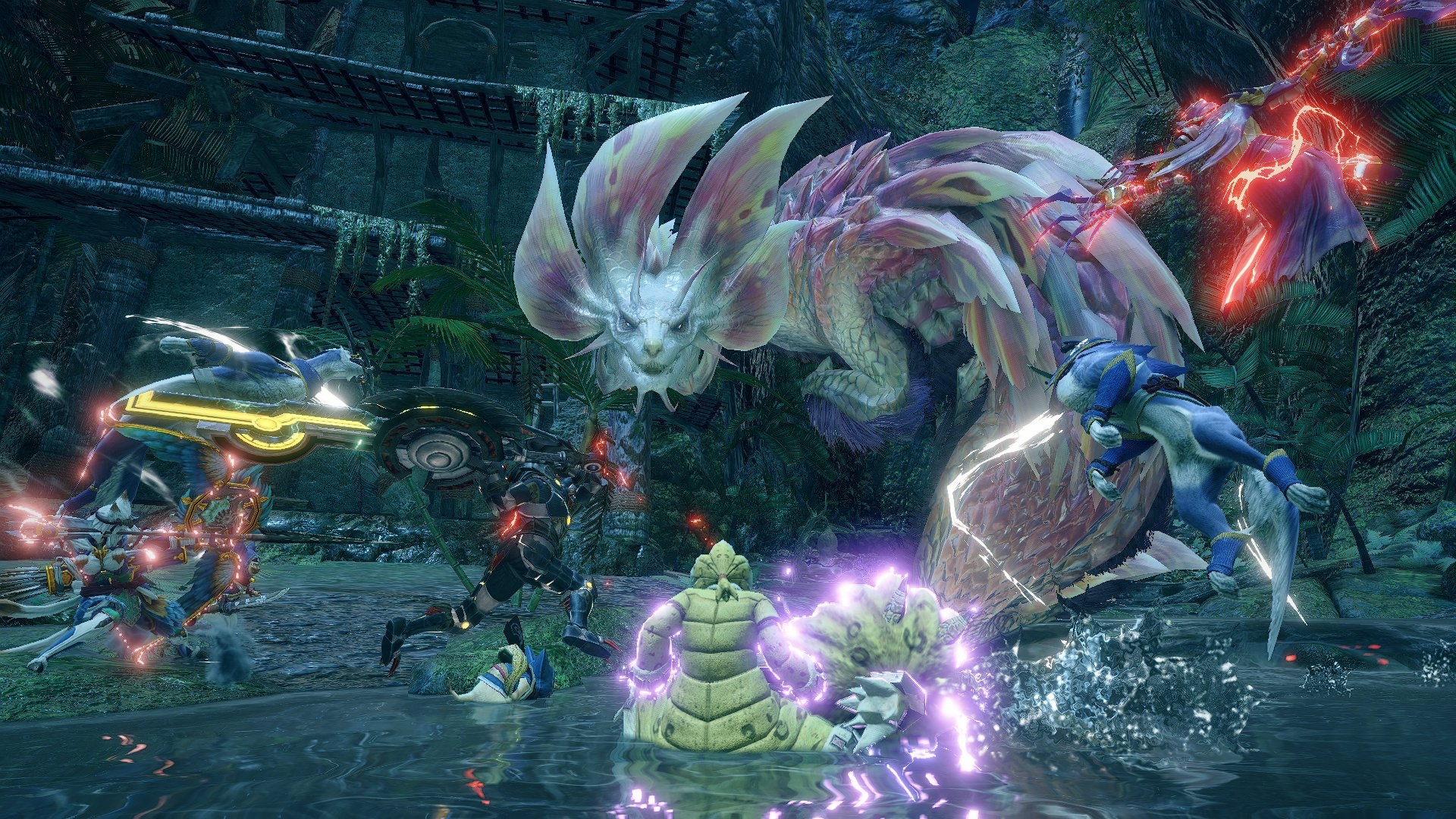
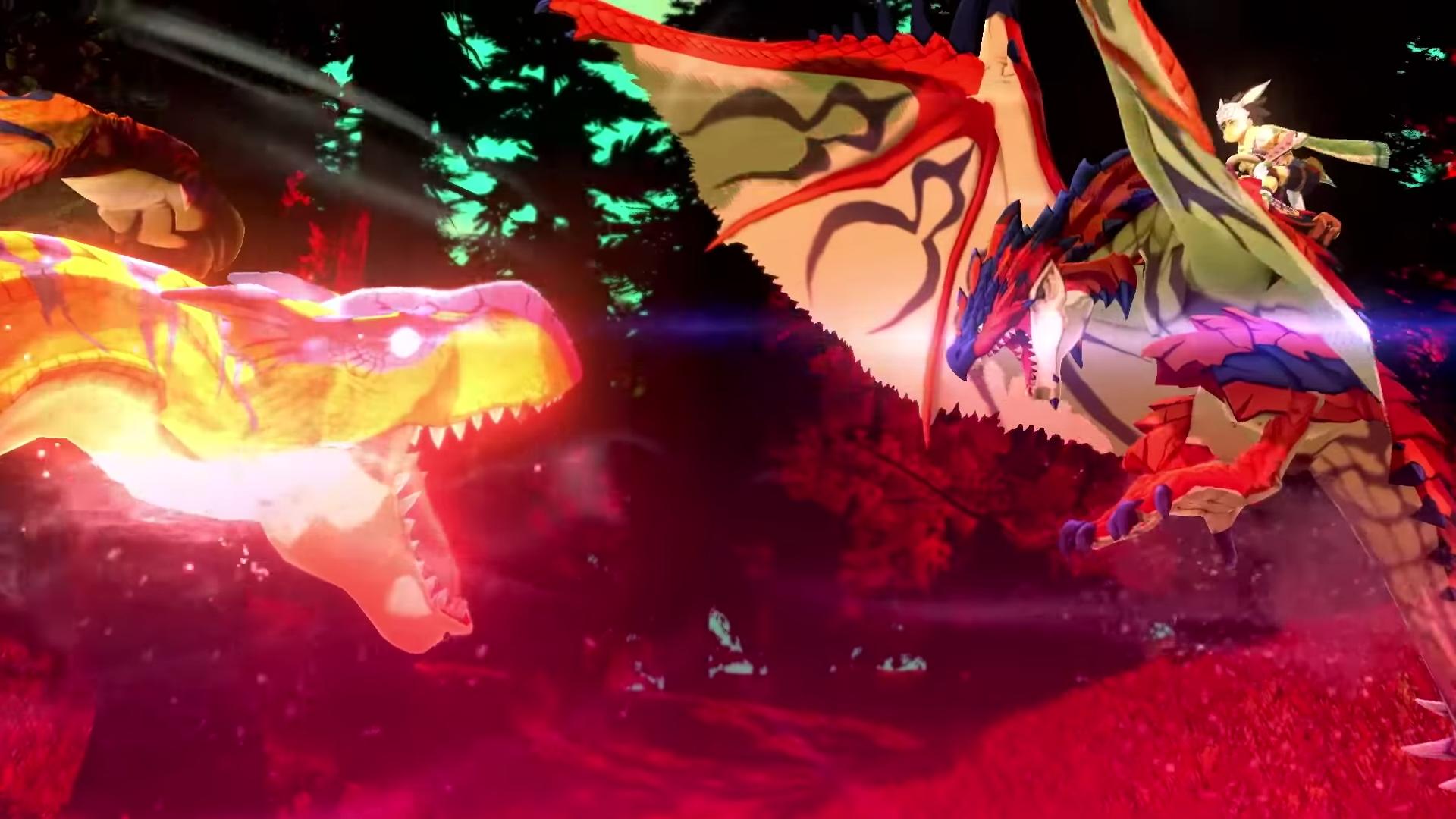
In September, Capcom announced two new Monster Hunter games for the Nintendo Switch: a new mainline entry called Monster Hunter Rise and a sequel to Monster Hunter Stories called Monster Hunter Stories 2: Wings of Ruin.
Monster Hunter Rise will continue the focus on narrative, but also introduces a new gameplay mechanic called the Wirebug, which you can use to traverse tall environments. It'll be released on March 26, 2021. Not much is currently known about Monster Hunter Stories 2: Wings of Ruin, but we know that it'll be following in the first Monter Hunter Stories' Pokémon-lite footsteps. It is expected in the latter half of 2021.
Capcom has said there would be a collaboration between Rise and Stories 2, but we currently don't know the details yet. I'm predicting equipment from both games may show up as DLC in each other's games via save data.
Wishes for the future
There's no doubt Monster Hunter Rise and Monster Hunter Stories 2 will receive years of free content updates, considering how successful and robust Monster Hunter World's post-launch support was. I hope there will be some crossover quests where we get to fight monsters from other franchises as they did in Monster Hunter World. Imagine fighting Bowser from the Mario series and forging armor made from his shell or fighting Calamity Ganon from the Legend of Zelda: Breath of the Wild to obtain Zelda-themed weapons!
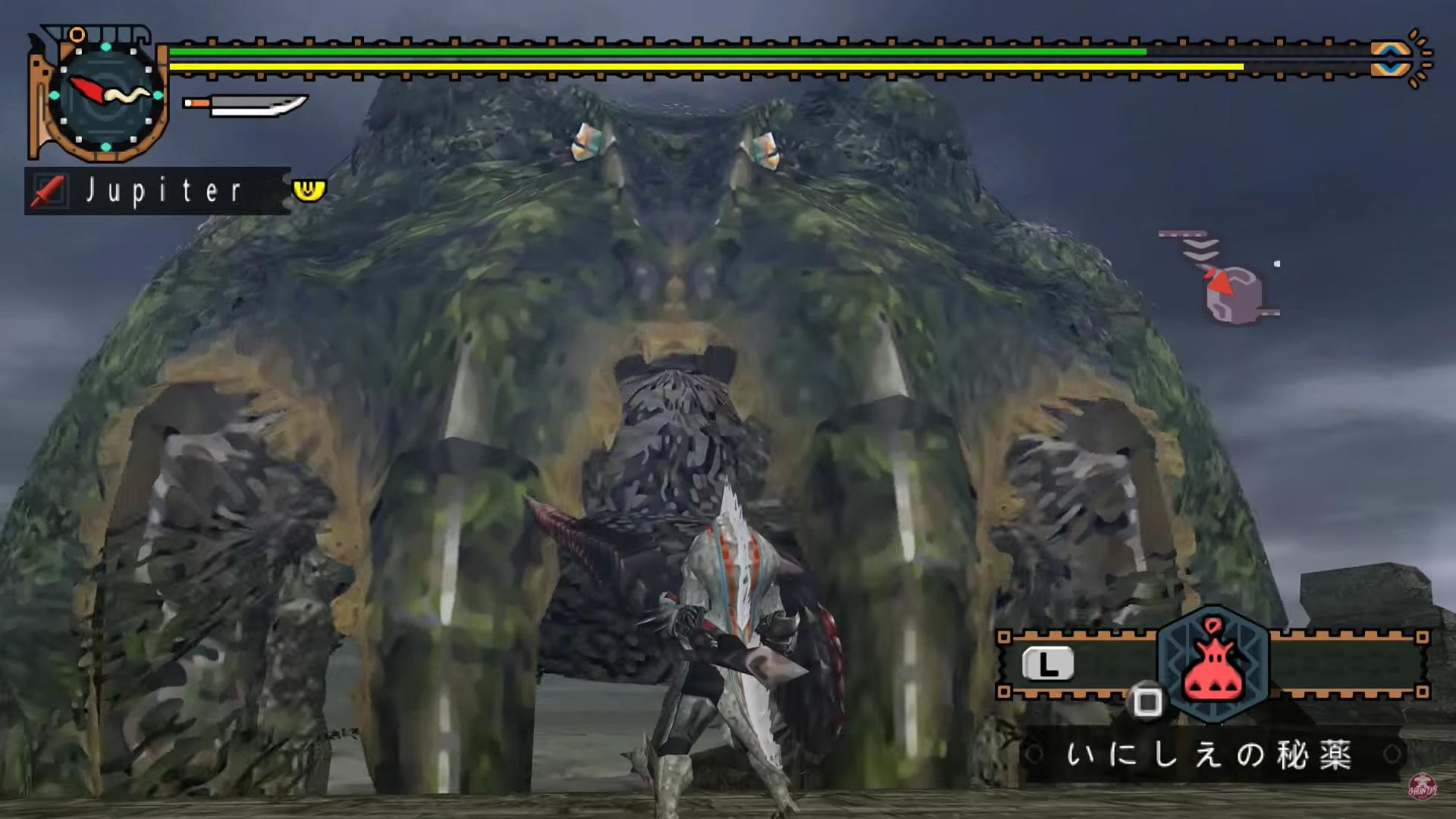
I would also like to see monsters from previous games that haven't been seen in years return for a Monster Hunter game. For example, Yama Tsukami, the giant, floating octopus from Monster Hunter Dos and Freedom Unite, would fit perfectly in Monster Hunter Rise. I can picture it now, chasing after this otherworldly being in the air using your Wirebug, parkouring across mountains to jump onto its back to deal damage.
As for Stories 2? I really hope there will be a collaboration with Pokemon. Those two franchises were made for each other. It would be awesome to see Charizard get into a Turf War with Rathalos or have Pokemon trainers team up with the Hunters and their Palicos to take on Legendary Pokemon.
Whatever is next for the series after this, I will be there to hunt any monster that comes our way.
Put a stop to the Rampage
Monster Hunter Rise

$60 at Amazon $60 at Walmart $60 at Best Buy
Ready your weapons and stock up on supplies to save Kamura village from The Rampage in Monster Hunter Rise. Hunt gigantic monstrosities capable of crushing buildings alone or with your friends in four-player co-op online or offline.
Get More Switch
Nintendo Switch
- How the new Switch V2 compares to the original model
- Nintendo Switch Review
- Best Nintendo Switch Games
- Best microSD Cards for your Nintendo Switch
- Best Travel Cases for Nintendo Switch
- Best Nintendo Switch Accessories
We want to give a shout out to SuperRad and Gaijin Hunter on Youtube for information regarding the series development process and the Japanese exclusive titles. Also want to credit Night Dragon007, LONG GAMES, Meta Hunters MH, Emulator Universe, HeadHunter455, CantaPerMe, Dazran303, GSD993, Silver Rathalos, AmaDEUS225, Gaijin Hunter, and Herny on Youtube for screenshots used in this article.