Redirecting you to our exclusive offer…

If you are not redirected automatically, click here.

Thanks for visiting! Your offer will open shortly.

This is default featured slide 1 title

Go to Blogger edit html and find these sentences.Now replace these sentences with your own descriptions.

This is default featured slide 2 title

Go to Blogger edit html and find these sentences.Now replace these sentences with your own descriptions.

This is default featured slide 3 title

Go to Blogger edit html and find these sentences.Now replace these sentences with your own descriptions.

This is default featured slide 4 title

Go to Blogger edit html and find these sentences.Now replace these sentences with your own descriptions.

This is default featured slide 5 title

Go to Blogger edit html and find these sentences.Now replace these sentences with your own descriptions.

Friday, October 1, 2021

Apple releases iOS 15.0.1 that fixes Apple Watch unlock bug

Apple has released iOS 15, the latest OS version for iPhone. Update now!

Apple has released iOS 15, the next major iteration of the software for iPhone.

What's new in iOS

October 1, 2021: Apple releases iOS 15.0.1

Apple has released iOS 15.0.1 for iPhone. This update is said to fix the Apple Watch unlock bug, so if you've been experience issues with the Apple Watch unlocking your iPhone, now is the time to update. Don't miss out on our review of iOS 15 to learn more.

September 20, 2021: Apple releases iOS 15

Apple has released iOS 15 for iPhone, a major new release that brings new features like Focus, SharePlay, a redesigned Safari, and more. Don't miss out on our review of iOS 15 to learn more.

September 13, 2021: Apple releases iOS 14.8 containing security updates

Apple has released iOS 14.8 for iPhone, a small update with several new security fixes.

iOS 14: Everything you need to know

July 26, 2021: Apple releases iOS 14.7.1 with bug fixes

Apple has released iOS 14.7.1 for iPhone, a small update with a few bug fixes.

July 19, 2021: Apple releases iOS 14.7 with MagSafe Battery Pack support and more

Apple has released iOS 14.7 for iPhone. This update adds support for Apple's new MagSafe Battery Pack, which will be available this week. This update also includes support for combining credit limits in Apple Card Family and managing timers set on your HomePod inside the Home app. There are also several bug fixes in this release.

May 24, 2021: Apple releases iOS 14.6 with podcast subscriptions, Apple Card Family

Apple has released iOS 14.6, an update which brings with it podcast subscription support, Apple Card Family, and readies the iPhone for the introduction of Apple Music Lossless at some point in June.

May 3, 2021: Apple releases iOS 14.5.1 with App Tracking Transparency fixes

Apple has released iOS 14.5.1, a minor update that fixes some bugs with App Tracking Transparency that could prevent a user from seeing prompts from an app if they turned ATT on after previously having it off.

April 26, 2021: Apple releases iOS 14.5 with AirTag support, App Tracking Transparency, and more

Apple has released iOS 14.5, a major update to the iPhone operating system that adds support for Apple's new AirTag trackers, new Siri enhancements, and App Tracking Transparency. Apple Watch owners who also download watchOS 7.4 will now be able to unlock their iPhone (after the iOS 14.5 update) using Face ID while wearing a mask. This update also allows you to stream Apple Fitness+ content to any AirPlay 2-enabled TV or device.

March 26, 2021: Apple releases iOS 14.4.2 with security further updates

Apple has released iOS 14.4.2, another small update for iPhone. This update again brings security patches on top of those released earlier this month. Apple has also released iOS 12.5.2 for older devices.

March 8, 2021: Apple releases iOS 14.4.1 with security updates

Apple has released iOS 14.4.1, a fairly small update for iPhone. This update brings a small set of security fixes.

January 26, 2021: Apple releases iOS 14.4

Apple has released iOS 14.4, a relatively minor iPhone update that brings number of bug fixes, as well as a few small new features. The QR code scanner on iPhone can now recognize smaller QR codes, and you can now select a classification (like headphones, car stereos, and hearing aids) for Bluetooth accessories in Settings. Owners of iPhone 12 series devices will now also get notifications when their camera can't be verified as a new, genuine Apple camera, which would likely occur in the case of a third-party repair.

January 11, 2021: Apple releases iOS 12.5.1 for older iPhones

Apple has released iOS 12.5.1, an update for older iPhones that couldn't update to iOS 13 or later. This update fixes issues that some users were encountering with Apple's COVID-19 exposure notifications.

December 14, 2020: Apple releases iOS 14.3

Apple has released iOS 14.3 for iPhone. This is a major update that brings Apple Fitness+ and AirPods Max support for all iPhone users. This release also brings ProRAW on the iPhone 12 Pro and iPhone 12 Pro Max devices. It also includes Privacy information on the App Store, as well as other features and bug fixes for the iPhone.

November 19, 2020: Apple releases iOS 14.2.1

Apple has released iOS 14.2.1 for iPhone. It's a fairly minor update that nevertheless fixes a few major bugs. An issue that caused some MMS messages not to be delivered has been corrected. Made for iPhone hearing devices should now work properly when you're listening to audio on your iPhone. Finally, an problem that caused the Lock screen on the iPhone 12 mini to become unresponsive has also been resolved.

November 5, 2020: Apple releases iOS 14.2

Apple has released iOS 14.2 for the iPhone. This update comes with a number of new features, as well as several bug fixes. There are over 100 new emoji in iOS 14.2, as well as eight new wallpapers. This update also brings support for Apple's new Leather Sleeve MagSafe accessory for the iPhone 12 line, as well as use of the Intercom feature in the Home app first introduced in the previous HomePod update. The AirPlay controls have also seen a revamp to make it easier to start playing something on an AirPlay device.

October 20, 2020: Apple releases iOS 14.1

Apple has released iOS 14.1 for the iPhone. This update features several bug fixes, as well as the ability to play back and edit 10-bit HDR video in the Photos app on the iPhone 8 or later. There are fixes for widgets, sending email, Music, and more.

September 24, 2020: Apple releases iOS 14.0.1

Apple has released iOS 14.0.1 for the iPhone. This minor update fixes some bugs found in iOS 14, including one that would reset your chosen default web browser and email apps back to Safari and Mail, respectively, once you rebooted the device.

September 16, 2020: Apple releases iOS 14

Apple has released iOS 14 for the iPhone. The next generation of Apple's iPhone software platform, iOS 14 is full of exciting updates and new features. There are new widgets, which you can put on the Home screen. There's App Library, to help you better organize your apps. There are also features like CarPlay improvements, and, if you didn't download the iOS 13.6 update earlier this year, support for digital car keys.

September 1, 2020: Apple releases iOS 13.7

Apple has released iOS 13.7 for the iPhone. This update adds the ability to opt-in to COVID-19 exposure notifications even if you don't have an app installed, depending on your region. The feature currently works in Washington D.C., Virginia, Nevada, and Maryland.

August 12, 2020: Apple releases iOS 13.6.1

Apple has released iOS 13.6.1 for the iPhone. This seems to be a fairly minor update to the iPhone experience, with bug fixes and performance improvements.

July 15, 2020: Apple releases iOS 13.6.

Apple has released iOS 13.6 for the iPhone. This version of iOS adds support for Apple News+ Audio, which lets you listen to select professionally-narrated stories on Apple News+ if you're a subscriber. Apple is also launching its new digital car key feature announced at WWDC.

June 1, 2020: Apple releases iOS 13.5.1

Apple has released iOS 13.5.1 for the iPhone. This version of iOS brings a number of 'important security updates' following on the heels of the release of iOS 13.5, which, among other things, introduced Apple and Google's exposure notification API.

May 20, 2020: Apple releases iOS 13.5

Apple has released iOS 13.5 for the iPhone. With this update, Apple has released the exposure notification API that it developed alongside Google, as well as updates that make the Face ID experience better if you're wearing a mask, and an option to automatically share your essential medical information with medical personal when you place an emergency call.

April 7, 2020: Apple releases iOS 13.4.1

Apple has released iOS 13.4.1 for the iPhone. This update comes with a set of bug fixes for FaceTime, Bluetooth, and more.

March 24, 2020: Apple releases iOS 13.4

Apple has released iOS 13.4 for the iPhone. This update features new Memoji stickers, iCloud Drive folder sharing, new controls in the Mail app, support for third-party navigation apps in the CarPlay dashboard, and more.

January 28, 2020: Apple releases iOS 13.3.1

Apple has released iOS 13.3.1 for the iPhone. While mostly focused on a number of bug fixes, if you have an iPhone 11 series device, this update gives you greater control over the data collected by the U1 Ultrawideband chip with a new setting.

December 10, 2019: Apple releases iOS 13.3 for iPhone

Apple has released iOS 13.3 for the iPhone. This update introduces additional parental controls in Screen Time, letting parents set additional limits over who their kids can call, FaceTime, or message. There are new layouts in Apple News+ stories from top newspapers. You can now use FIDO2-compliante NFC, Bluetooth, and Lightning security keys with your iOS device. There are also a number of bug fixes present in this release.

November 18, 2019: Apple releases iOS 13.2.3 for iPhone

Apple has released iOS 13.2.3 for the iPhone. The update fixes an issue with system search in Mail, Files, and Notes. It also addresses an issue where photos, links, and other attachments might not display in the Messages details view, and fixes an issue that may prevent apps from downloading content in the background, The update also resolves issues that may prevent Mail from getting new messages, and fail to include and quote original message content in Exchange accounts

November 7, 2019: Apple releases iOS 13.2.2 for iPhone

Apple has released iOS 13.2.2 for the iPhone. This update fixes a bug that saw apps put into the background completely close too quickly.

October 28, 2019: Apple releases iOS 13.2 for iPhone

Apple has released iOS 13.2 for the iPhone. This update introduces Apple's new machine learning-powered Deep Fusion technique to the Camera app, adds the ability for Siri to announce and read incoming SMS and iMessages when you're wearing AirPods or Powerbeats Pro, new privacy settings for Siri, and more.

October 15, 2019: Apple releases iOS 13.1.3 for iPhone

Apple has released iOS 13.1.3 for the iPhone. This update fixes a number of bugs.

September 30, 2019: Apple releases iOS 13.1.2 iPhone

Apple has released iOS 13.1.2 for the iPhone. This update fixes several bugs, including some found in the iCloud Backup process, opening the Camera, and trying to use shortcuts with HomePod.

September 27, 2019: Apple releases iOS 13.1.1 iPhone

Apple has released iOS 13.1.1 for the iPhone. This minor update features a number of bug fixes, and follows on the heels of iOS 13.1, which launched earlier this week.

September 26, 2019: Apple releases iOS 12.4.2 for older iPhones and iPads that can't update to iOS 13

Apple has released iOS 12.4.2 for iPhones and iPads that can't be updated to iOS 13. This update is available for the iPhone 5s, iPhone 6, and iPhon 6 Plus, as well as the iPad Air, iPad mini 2, and iPad mini 3. Even though this is for a version of iOS 12, the update instructions remain the same as iOS 13, so you can follow them below.

September 24, 2019: Apple releases iOS 13.1 for iPhone

Apple has released iOS 13.1 for the iPhone. This update follows closely on the heels of iOS 13, and adds features like the ability to automate actions in the Shortcuts app, send your estimated time of arrival using Maps, bug fixes, and tweaks.

September 19, 2019: Apple releases iOS 13 for iPhone

Apple has released iOS 13 for the iPhone. This is a major update, bringing new features like Dark Mode, important updates to the Photos app, support for security features like Sign In with Apple, the new Look Around feature in Maps, and a redesign for CarPlay.

August 26, 2019: Apple releases iOS 12.4.1 for iPhone

Apple has released iOS 12.4.1 for the iPhone. This update features "important security and stability updates," as well as a patch for the recent exploit used by some groups to jailbreak iOS 12.4.

July 22, 2019: Apple releases iOS 12.4 for iPhone and iPad, iOS 10.3.4 and 9.3.6 for older devices

Apple has released iOS 12.4 for the iPhone and iPad, which introduces a number of fixes for News+ and a new wireless data migration tool. At the same time, Apple has also released iOS 10.3.4 and iOS 9.3.6 for older iPhones and iPads that cannot download the current software updates. These patches for older devices fix a GPS bug, as well as implementing a number of security fixes.

June 10, 2019: Apple releases iOS 12.3.2 for iPhone 8 Plus with Portrait mode fix

Apple has released iOS 12.3.2 for the iPhone 8 Plus (and only the iPhone 8 Plus), which fixes a bug found in Portrait mode on that device. iOS 12.3.1 remains the current version of iOS for all other compatible devices.

May 24, 2019: Apple releases iOS 12.3.1 with fixes for VoLTE, Messages bugs

Apple has released iOS 12.3.1, which fixes a bug that could prevent users from placing or receiving VoLTE calls from their iPhone. There are also two bugs fixed in Messages, one that could prevent the Unknown Senders filter from functioning properly, and one that could stop the Report Junk link in messages from unknown senders from appearing.

May 13, 2019: Apple releases iOS 12.3, bringing new TV app experience to iPhone and iPad

Apple has released iOS 12.3, which introduces the new TV app to iPhone and iPad. The app includes an updated design, channels, which you can subscribe to independent of any cable subscription and for which you don't need an app, and improvements to finding your favorite shows and movies.

March 25, 2019: Apple releases iOS 12.2, bringing News to Canada, Apple News+, new Animoji, and more

Apple has released iOS 12.2, which introduces the new Apple News+ subscription service, brings the News app to Canada, introduces new emoji, AirPlay support for third-party TVs, and support for the second-generation AirPods that Apple announced last week.

February 7, 2019: Apple releases iOS 12.1.4 with FaceTime bug fix

Apple has released iOS 12.1.4, which fixes a major vulnerability in FaceTime that allowed users to eavesdrop on other iPhone owners using Group FaceTime. Apple previous took Group FaceTime offline while working on a fix.

January 22, 2019: Apple releases iOS 12.1.3

Apple has released iOS 12.1.3, which fixes a number of small issues, including an issue in Messages that could affect scrolling through photos in the Details view of a message thread, a problem that caused audio distortion on 2018 iPad Pros, and a CarPlay error on the iPhone XS, iPhone XS Max, and iPhone XR.

December 20, 2018: Apple releases updated built of iOS 12.1.2

Apple has released an updated version of iOS 12.1.2 for those iOS users who had not yet downloaded the previous build, released earlier this week. If you've already downloaded iOS 12.1.2, you do not need to download this new version, and the update will not appear in the Settings app.

December 17, 2018: Apple releases iOS 12.1.2 with eSIM bug fix

Apple has released iOS 12.1.2, which fixes a bug with eSIM activation in the iPhone XS, iPhone XS Max, and iPhone XR. This update also fixes a bug that could affect cellular connectivity on those iPhones.

December 5, 2018: Apple releases iOS 12.1.1 with new FaceTime interface and more

iOS 12.1.1 has arrived with a new FaceTime user interface and FaceTime Live Photo capture. The update also brings support for Haptic Touch for notification on the iPhone XR.

October 30, 2018: Apple releases iOS 12.1 with group FaceTime calls and more

iOS 12.1 has arrived, complete with support for group FaceTime calls, new emoji dual-SIM, and more.

October 8, 2018: Apple releases iOS 12.0.1 with connectivity and charging fixes

While iOS 12.0.1 is an overall minor update, it does fix some notable issues that cropped up in the iPhone XS and iPhone XS Max, in particular, issues with Wi-Fi connectivity and charging.

September 17, 2018: Apple releases iOS 12

iOS 12 is a major update, with big gains in performance, Siri Shortcuts, Screen Time, and so much more.

How to install the iOS update using Software Update on your iPhone

The easiest way for most people to download iOS 14.3 is over-the-air, directly on their device. It's fast, it's efficient, and it's simple to do.

  1. Make sure you have a recent iCloud backup.
  2. Launch Settings from your Home screen.
  3. Tap on General.
  4. Tap on Software Update.
  5. Tap on Download and Install.
  6. Enter your Passcode, if prompted.
  7. Tap Agree to the Terms and Conditions.
  8. Tap Agree again to confirm.

The download will begin automatically. If the download does not begin right away, you may see a notice: "Preparing to download." Give it a couple of minutes and the download will begin shortly.

How to install the iOS update using your Mac

If you have limited space on your device or software update isn't working for whatever reason, you can update using your Mac.

  1. Make sure you have a recent backup. Make it encrypted so all of your passwords and other private data is preserved.
  2. Plug your iPhone or iPod touch in using your USB to Lightning or USB to 30-pin Dock cable.
  3. Under Finder, click on the device icon at the top left to go to the device tab.
  4. Click on Check for Update in the Summary pane.
  5. Click on Download and Update
  6. Agree to the Terms and Conditions.
  7. Enter the Passcode on your iPhone or iPod touch, if prompted.

How to install the iOS update over the developer or public beta

You can install the public version of this iOS update over a beta version if your device is still running that version. Here's a guide on how to update from an iOS beta to the official release.

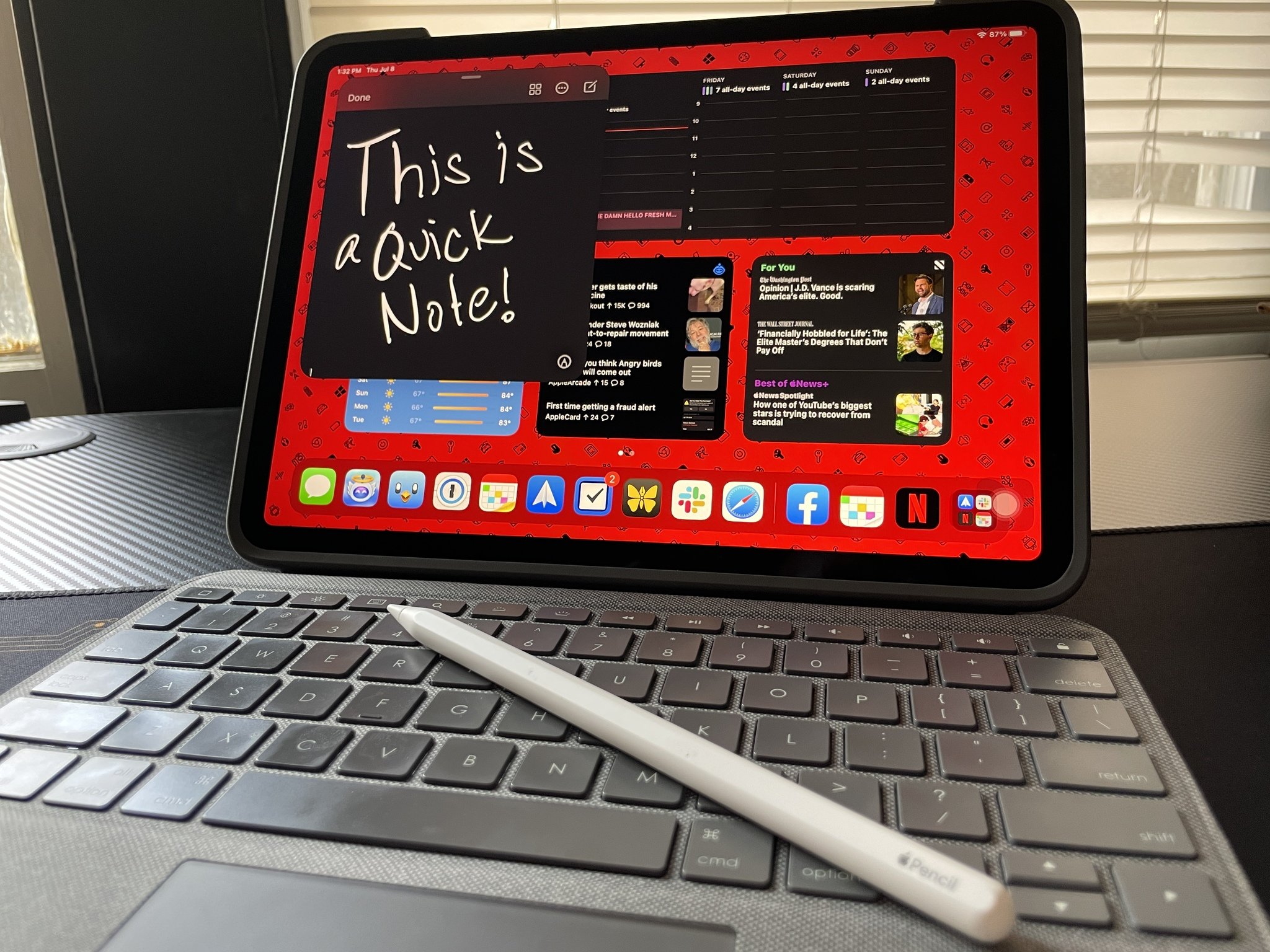
Quick Note is an iPadOS 15 feature that lets you jot notes down anytime

Never let those important bits of information escape you again with the help of Quick Note in iPadOS 15.

One of the new features in iPadOS 15 is Quick Note. With this, you can invoke a simple notepad at any time on your best iPad, and quickly jot down any little bits of invaluable information, save links, and even add text and images from Safari. But how do you use Quick Note? Don't worry, it's easier than you think, and while it helps to have an Apple Pencil or alternative stylus, you can also just use your finger!

How to bring up Quick Note on iPadOS 15

Remember, Quick Note can only be invoked at any time and in any app, with a first-generation Apple Pencil, second-generation Apple Pencil, or an Apple Pencil alternative like the ZAGG Pro Stylus. It can also work with your finger if you do not have a stylus.

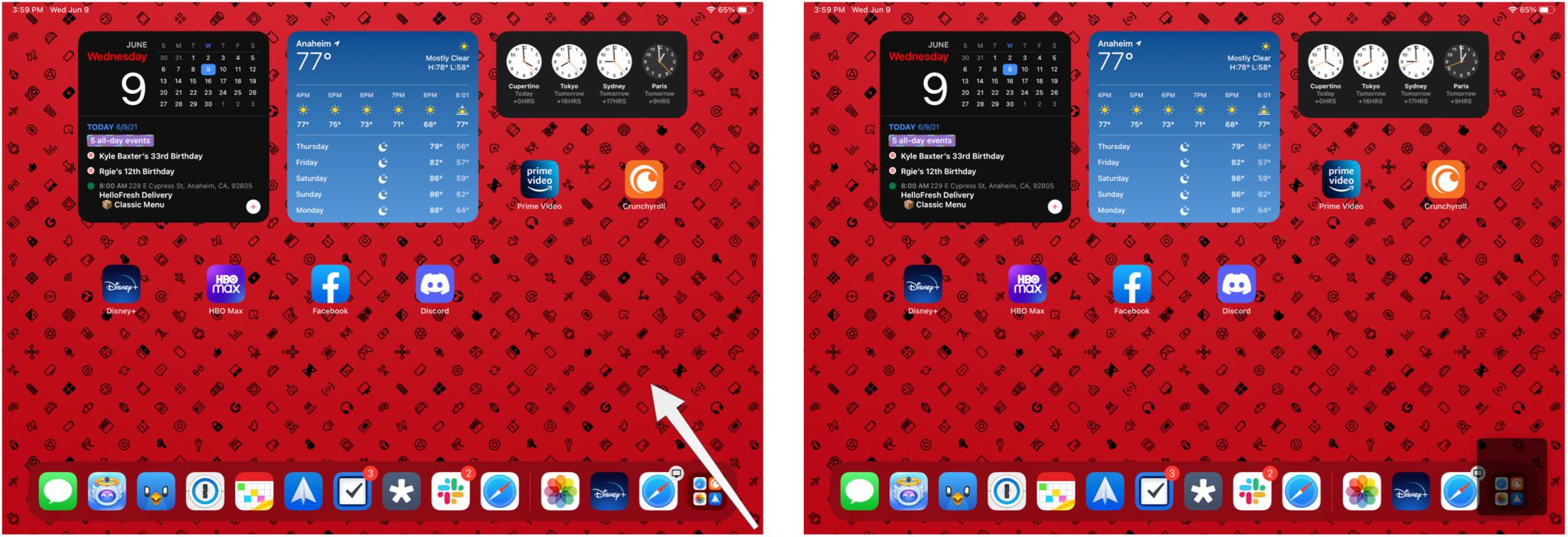
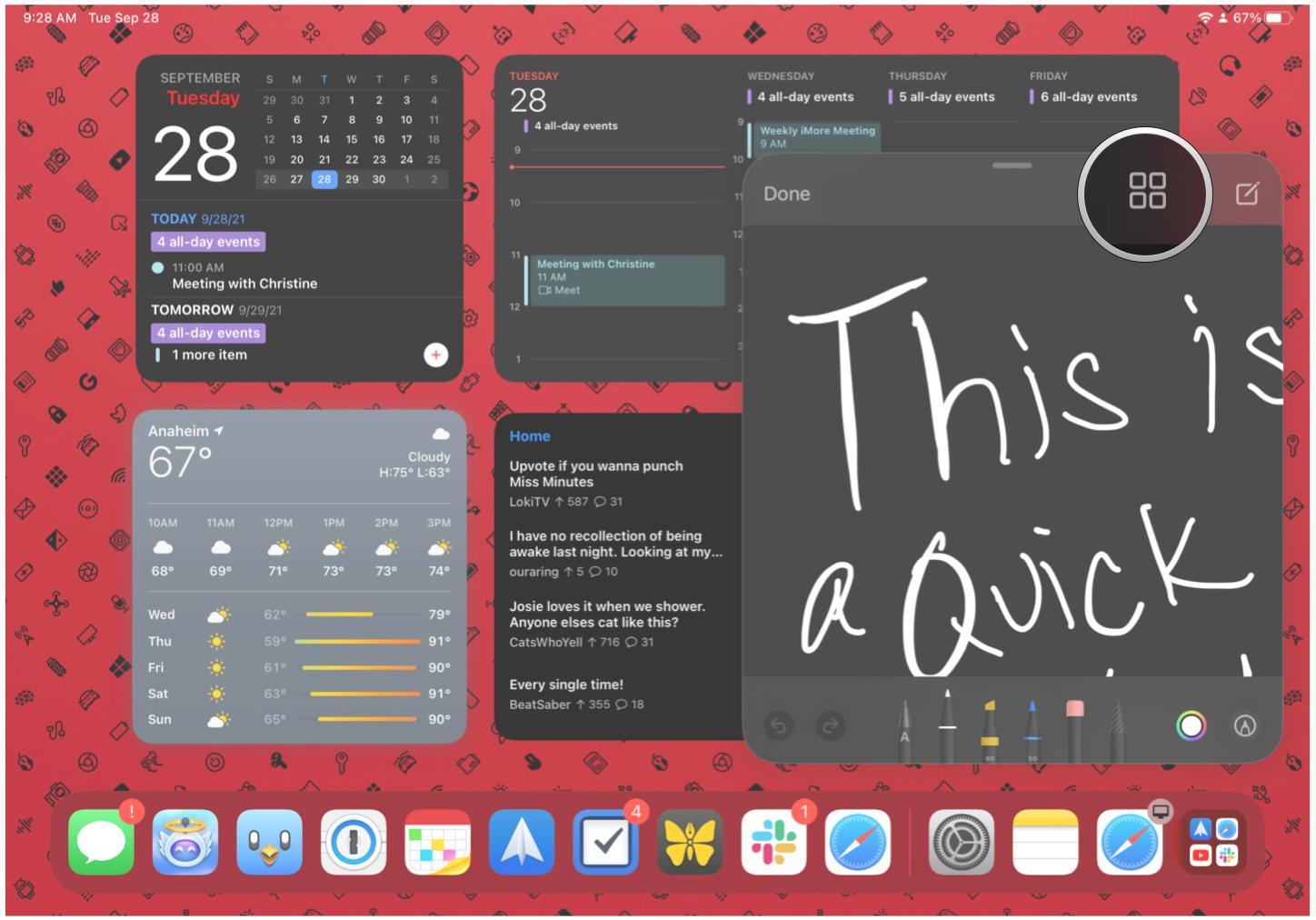
  1. Using your Apple Pencil, stylus, or finger, swipe inward from the bottom right corner of your iPad screen. You'll see a small gray box start to appear — make sure it is fully expanded and opaque before you let go of the tip.

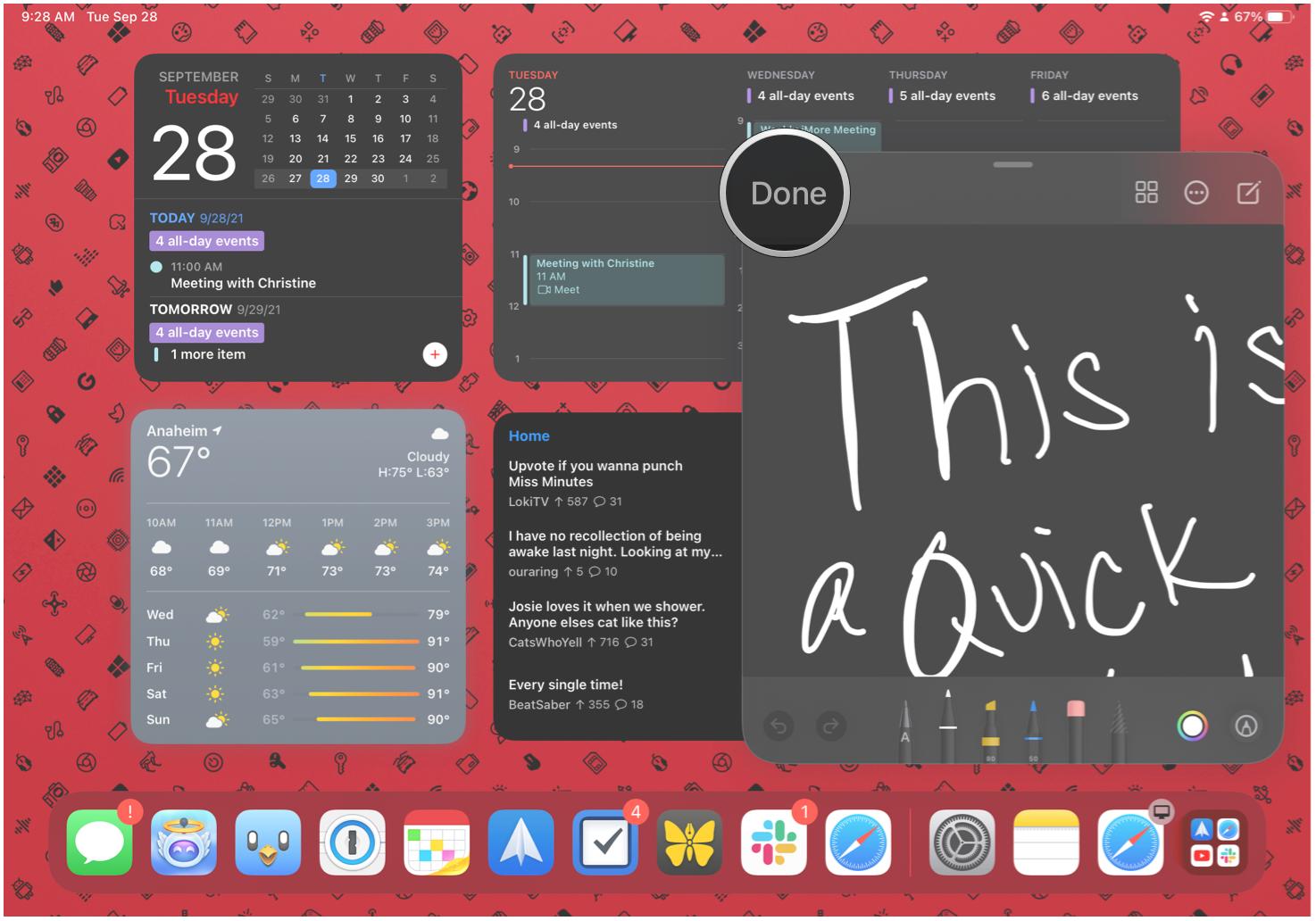
  2. Once Quick Note is expanded, you can write or sketch in the box with your stylus or finger or switch to the keyboard to type. You can change your drawing tool with the button in the bottom right corner, just like you would in a regular note.
  3. When you're done with your Quick Note, tap Done to save it, or you can just swipe it away — it saves automatically.

How to quickly save links, text, and images in Safari with Quick Note

One of the coolest things about Quick Note is that it uses intelligence to detect when you're using it while in Safari. This allows you to quickly save links to your Quick Note, and you can even highlight text and images in Safari to add them to your note.

  1. Bring up Quick Note using the method above.
  2. Launch Safari on your iPad.
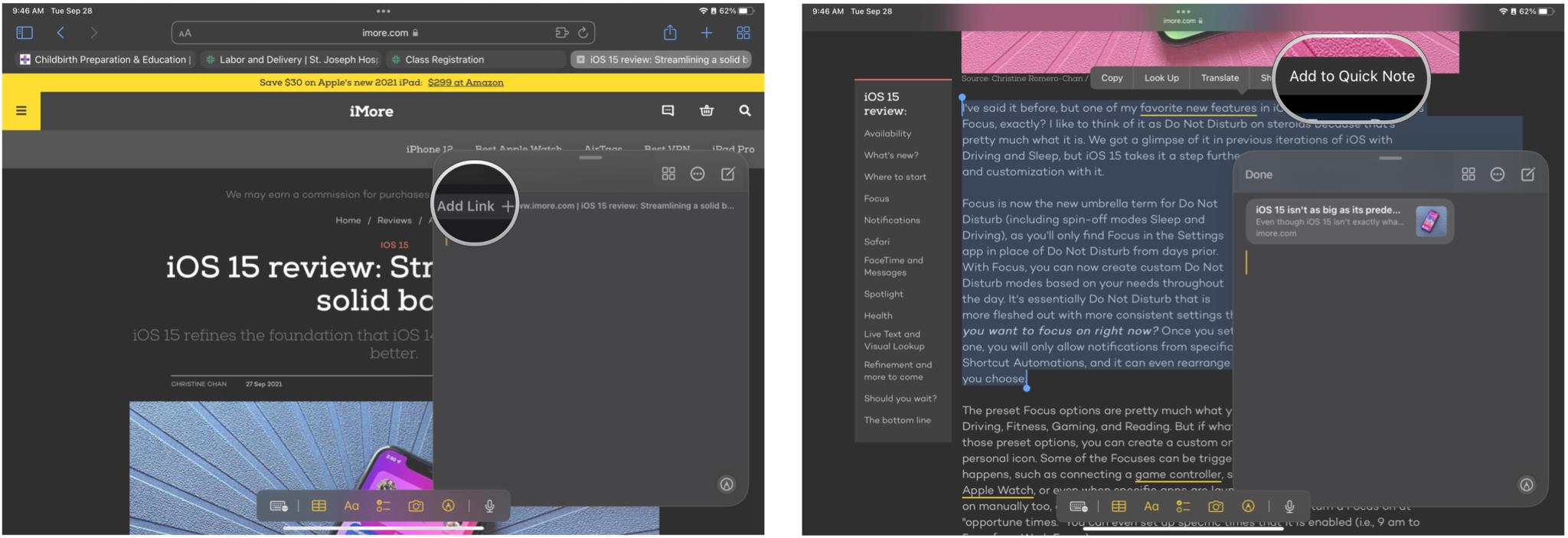
  3. While on a webpage, in the Quick Note, tap Add Link to save the link of the current page to your note.
  4. If you want to add text or images to the note, use your stylus or finger to highlight what you want on the webpage.
  5. On the contextual menu that pops up, tap Add to Quick Note. Doing this adds the link automatically.
  6. Tap Done on Quick Note to save it.

How to bring up Quick Note with an external keyboard

If you're using an external Bluetooth keyboard or something like the Magic Keyboard for iPad, then you can bring up Quick Note without even needing to touch the screen.

  1. Anywhere on your iPad, press the globe key and Q on your external keyboard.

Quick Note will pop up from the bottom right corner as if you used an Apple Pencil or stylus. And again, if you don't have a stylus with you, your finger works just as well.

How to view your saved Quick Notes

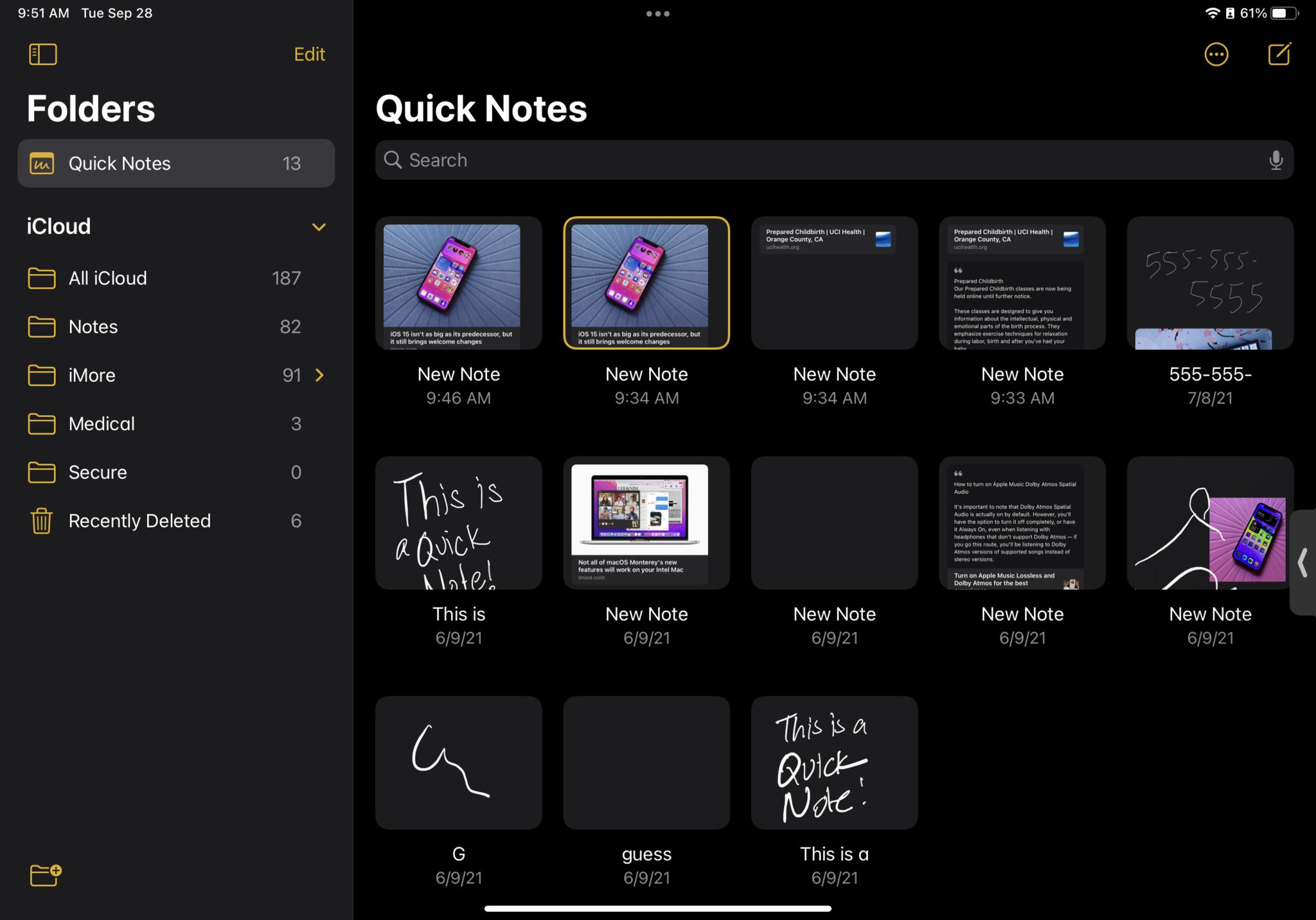
Quick Notes are saved separately into their own folder in your Notes app. Here's how to view them.

  1. Launch Notes on your iPad.
  2. Tap Quick Notes in the Folders list.

  3. Optionally, while you're in the Quick Note box, you can tap the Quick Notes button (it looks like four squares) to immediately go to all of your saved Quick Notes. You can also swipe left and right to jump between all of your Quick Notes in the Quick Note box.

That's it! From here, you can move notes as you see fit, edit them, delete them, and pretty much anything else you need to do with a regular note you've created.

You can also use Quick Note with Safari in macOS 12 Monterey. However, if you're wondering about iOS 15, you'll only be able to edit existing Quick Notes — you won't be able to add new ones with your best iPhone.

Questions?

As you can see, when it comes down to how to use Quick Note on iPad, it's easy peasy, lemon squeezy! Taking notes has never been easier on your favorite iPad.

Updated September 2021: Updated for the latest version of iPadOS 15.


A cellular Apple Watch and iPhone 13 Pro Max is a match made in heaven

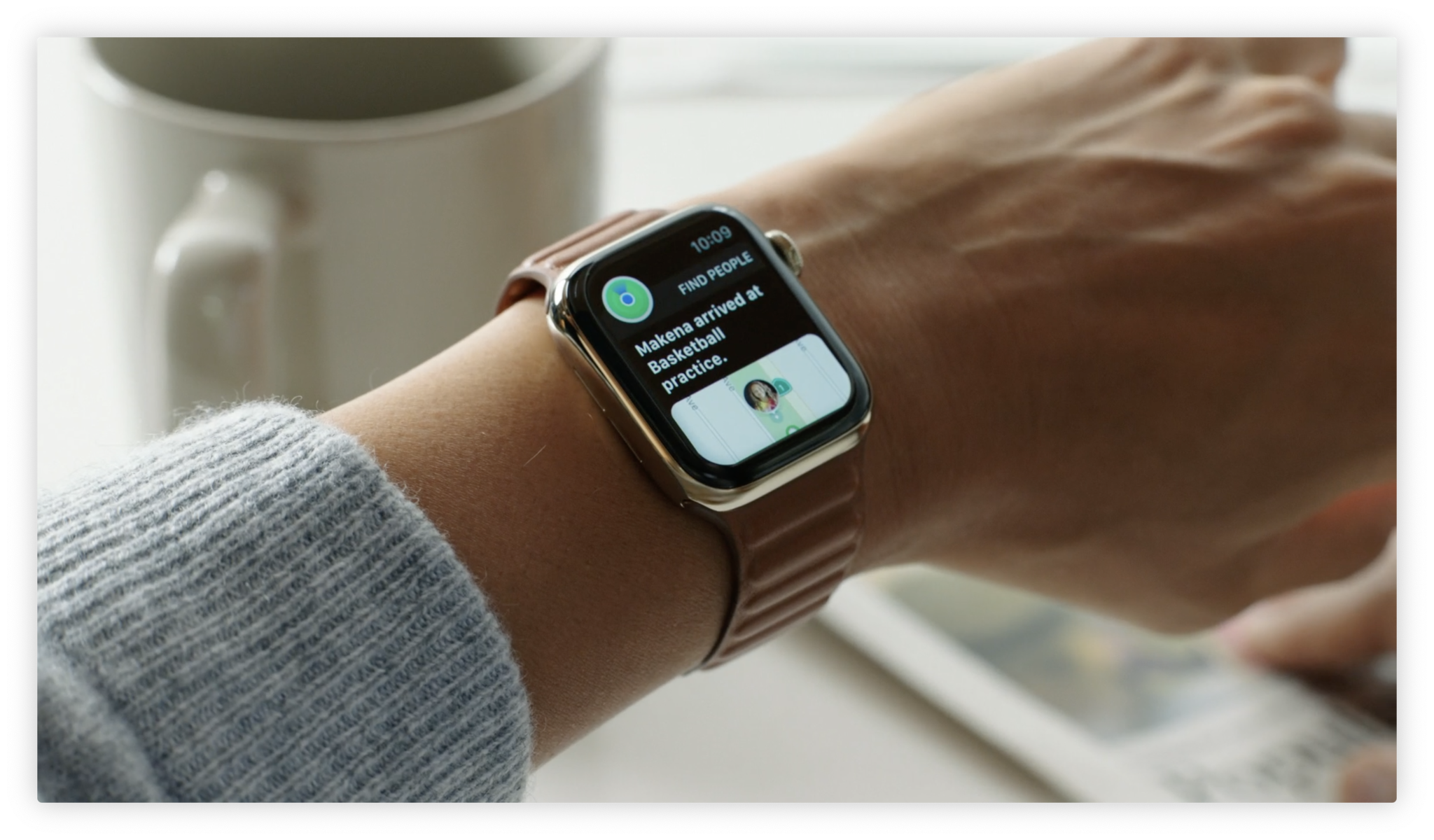
I love that big phone, but sometimes I don't need it with me.

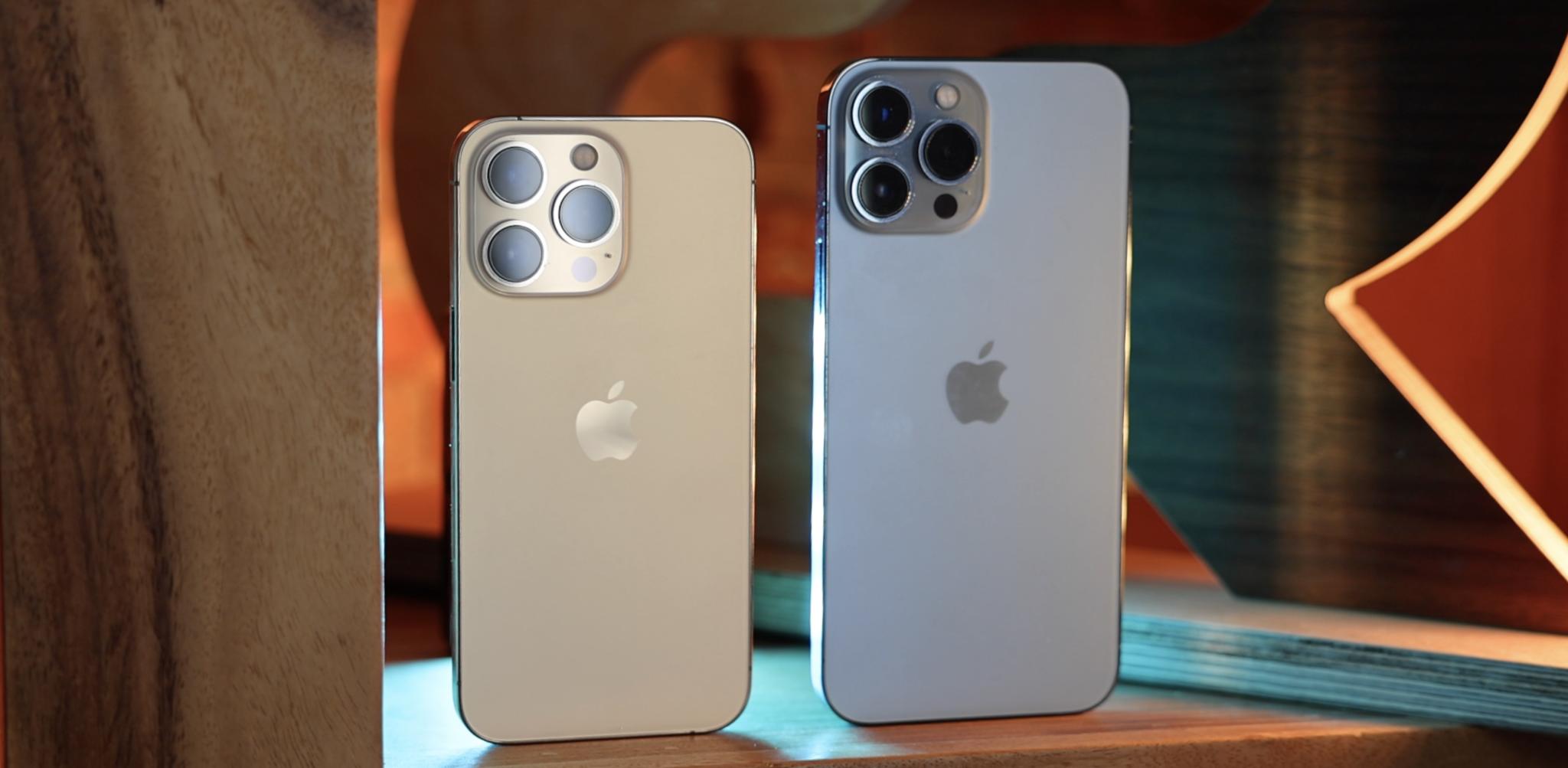
Not very long ago, I wrote about how surprised I was that I'd become accustomed to the heft of my iPhone 13 Pro Max so quickly. I stand by that, and I wouldn't swap my iPhone for a smaller one. But that doesn't mean that I don't have thoughts. And opinions.

I always have opinions.

Let's start with the opinions and get to the thoughts later. My opinion, until recently, was that the idea of a cellular Apple Watch was pretty insane. Why would your watch need its connection to the internet when your iPhone is always with you anyway? It can just piggyback off of that, right?

Well, yes and no. The reason some people want a cellular Apple Watch is simple – they want to be able to go for a run without an iPhone flapping around in a pocket or strapped to their arm like some sort of Cupertino-approved ad. I'd generally thought that wasn't all that big of an issue anyway, suggesting that iPhones aren't that big or heavy and that it couldn't really be that much of a problem. I was wrong, of course, but I didn't know it at the time.

Fast forward to today and my first week with my iPhone 13 Pro Max. Can you see where this is going yet?

It turns out; it sure would be nice to be able to leave my iPhone at home and still have notifications and whatnot on my wrist. Who knew?!

Now, to be clear, I haven't become a fitness fanatic overnight. I've no intention of going running with or without an iPhone – unless someone's chasing me, and even then, I'd want to know how far I'd need to run first. The time I've found myself wishing I could leave my iPhone at home is much more mundane – it's the school run because I do have to pick the kids back up at some point.

Will all of this, be enough for me to admit my iPhone 13 Pro Max is too big? Not – now that I think about it properly, the idea of a cellular watch just makes more sense than it doesn't. It just took a use case for me to find a reason to want to get one for myself.

And sure, that huge iPhone might have helped me along the way, but it's more than manageable enough for when I leave the house – I just want the option of leaving at home when I know I'm just popping out for a while.

So we can all agree that I'm all-in on Team Pro Max right now. But what about those on the periphery? Could a cellular Apple Watch Series 7 be the answer to their iPhone 13 Pro Max anxiety? I reckon so, although there's no doubt that's an additional expense that many won't want to foot the bill for.

Still, money no object? A cellular Apple Watch and an iPhone 13 Pro Max could be the best iPhone setup ever.


It's a great time to be a Nintendo Switch owner

So many awesome games are coming out in the next few months and we can't wait to play them.

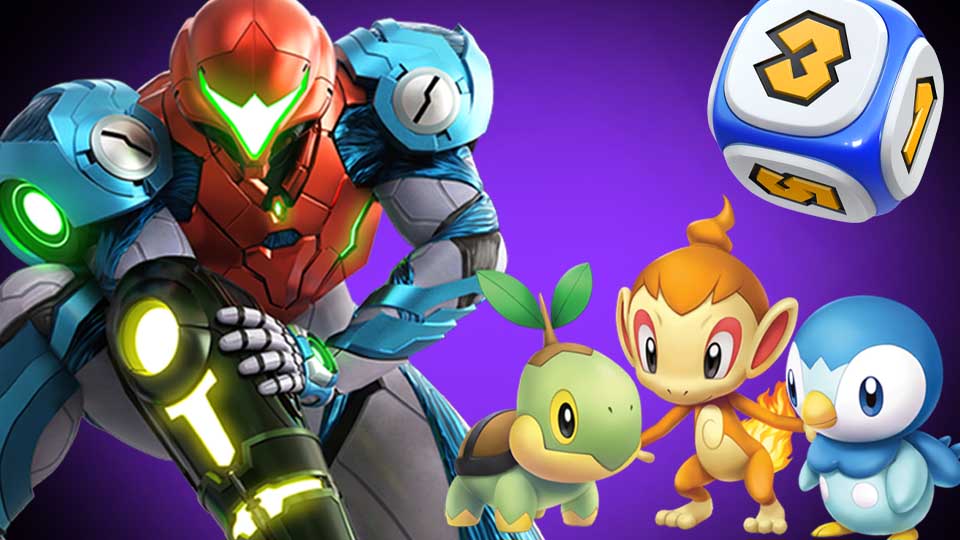
Nintendo Switch owners have a lot to look forward to this fall. Video game companies tend to have a big push surrounding the holiday season, but Nintendo has a lot more going for it than it has in awhile. We'll be seeing the first new Metroid game in over 19 years, two Pokemon games, a semi-remake of a popular 2000s game, a new console, and more. It really is an awesome time to be a Nintendo Switch owner. These are the games we on the iMore gaming team are the most excited about.

Metroid Dread (Oct. 8)

Long-time Samus fans will finally be able to experience the first new Metroid game in roughly 19 years. It's crazy to think given that Samus is one of the most recognizable Nintendo characters, huh? Brendan Lowry is really looking forward to Metroid Dread's release.

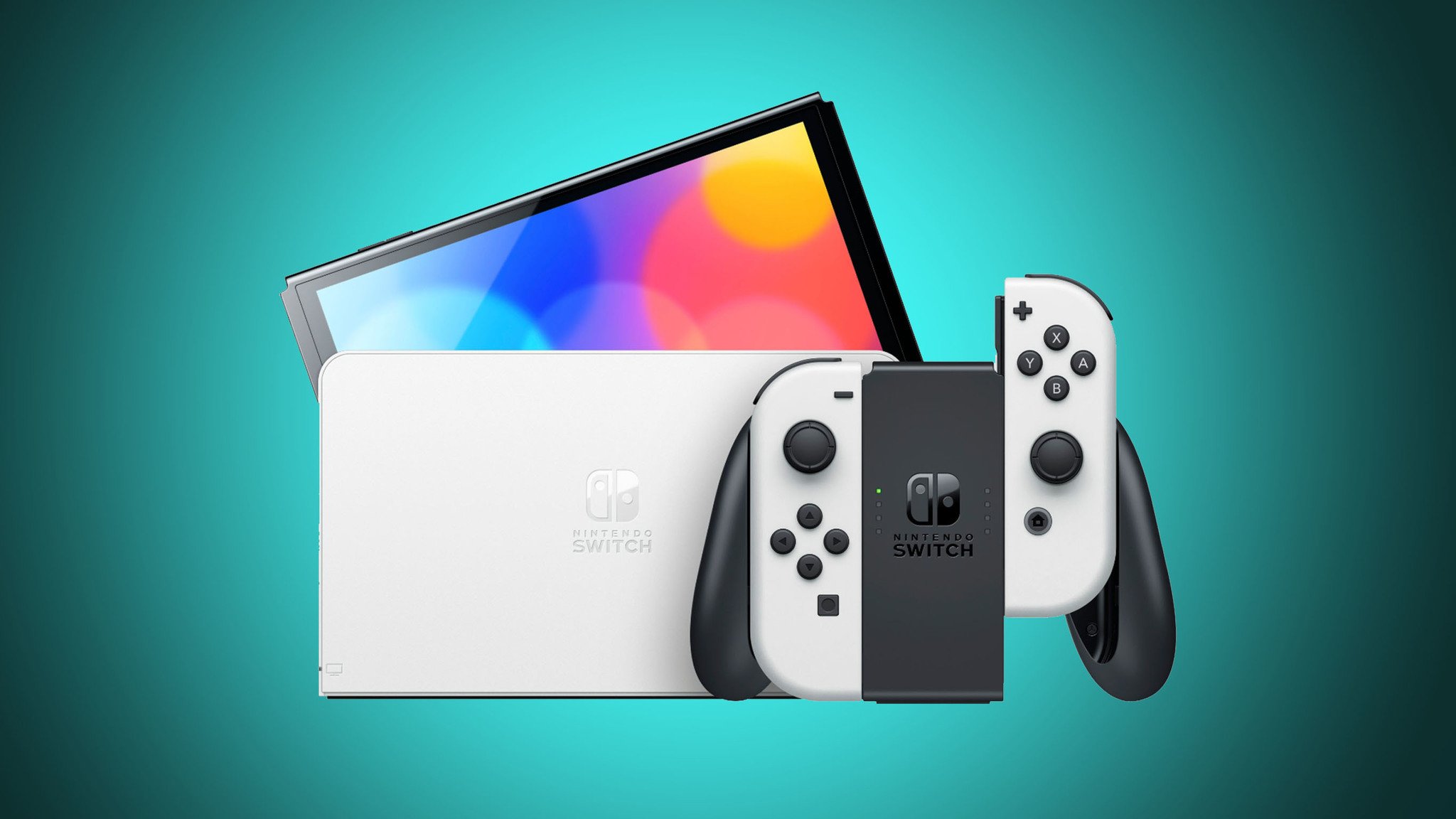
Nintendo Switch OLED model (Oct. 8)

Also releasing on Oct. 8 is the new Nintendo Switch OLED model. It's not a major upgrade from the Nintendo Switch V2, however, I'm still looking forward to it for a couple of big reasons. If you only own the original Switch, it might be worth the upgrade.

Fatal Frame: Maiden of Black Water (Oct. 28)

This haunting adventure comes out just in time for Halloween, and a lot of horror fans are eagerly awaiting the release from this classic franchise. This is a re-release of the Wii game of the same name, but who knows if this might open the door for other ports, or even a new entry!

Mario Party Superstars (Oct. 29)

Anyone who grew up during the N64 and Gamecube era will be excited for the next entry in the Mario Party franchise. This multiplayer releases on Oct. 29 and features game boards and minigames from classic Mario Party titles. See why our writer Alex Huebner is excited to play Mario Party Superstars.

Pokémon Brilliant Diamond & Shining Pearl (Nov. 20)

On Nov. 20, we're getting remakes of the original DS Pokémon games 14 years after they first released in the U.S. and Europe. But these aren't just straight remakes, The Pokémon Company is providing an enhanced experience with new elements to explore.

Pokémon Legends: Arceus (Jan. 28)

While this RPG isn't technically a fall release, it is an upcoming game that I can't wait to play. What makes it so special? It's going to be the first Pokémon RPG to really break away from the core formula. See exactly just why I'm so excited about Pokémon Legends: Arceus.

Chase that horizon

There are so many Nintendo Switch games to look forward to this fall and winter season and we at iMore cannot wait to get our hands on them. Of course, there's also The Legend of Zelda: Breath of the Wild sequel that's aiming for a 2022 release, so there's even more to get excited for on the horizon.


Apple and Microsoft’s tablets becoming more similar is a good thing for all

Competition and copying make tablets better for all.

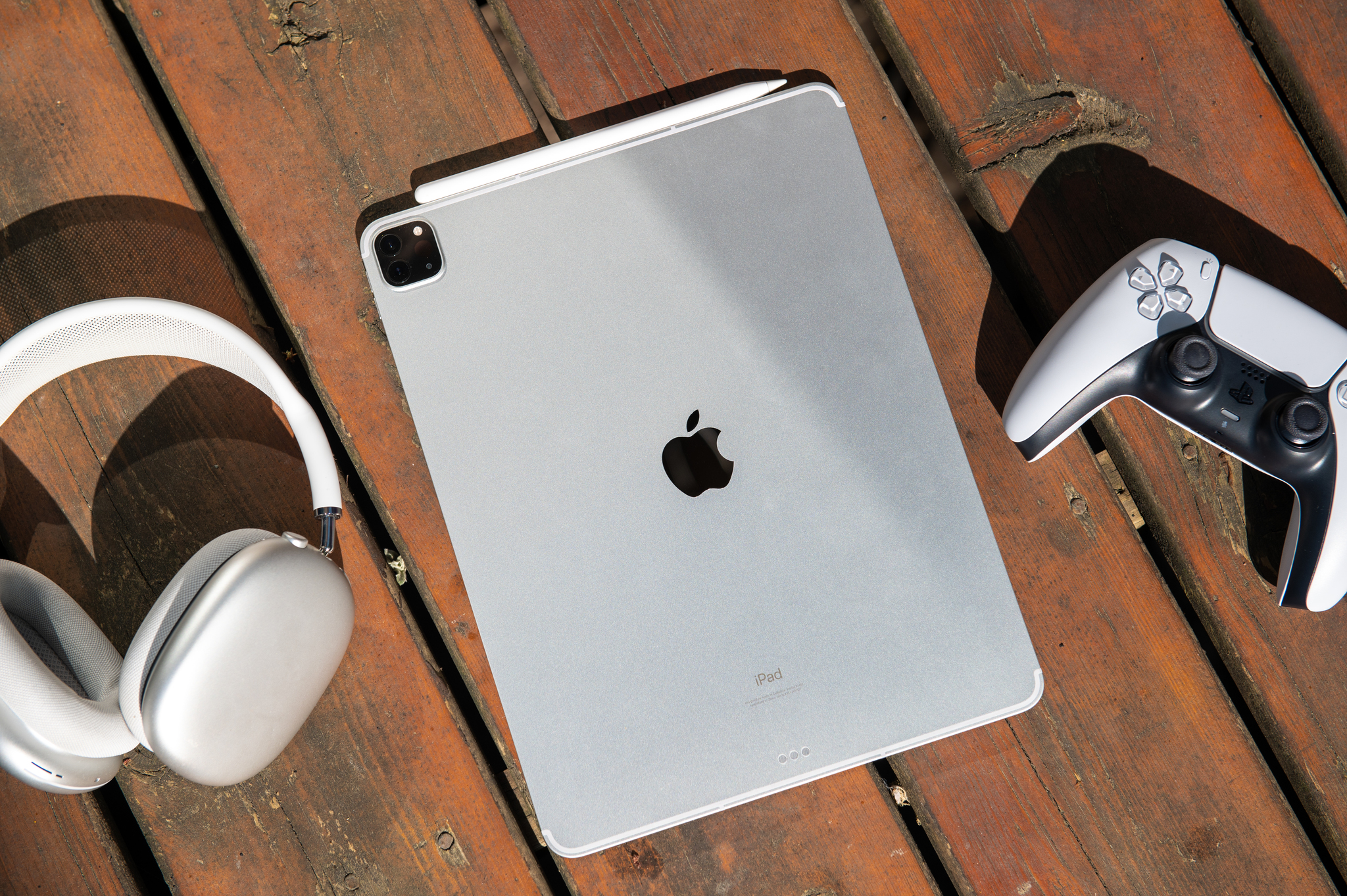
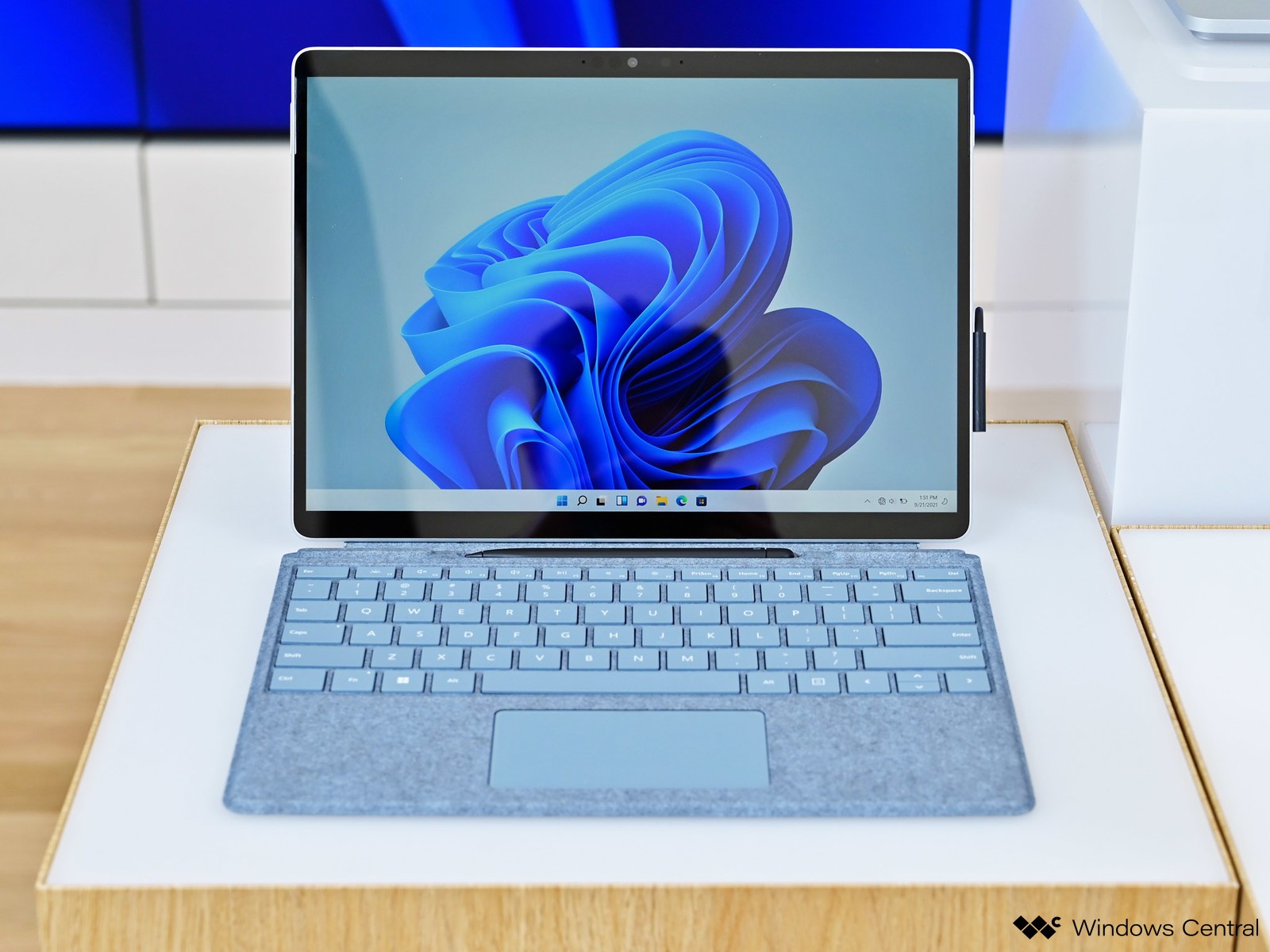
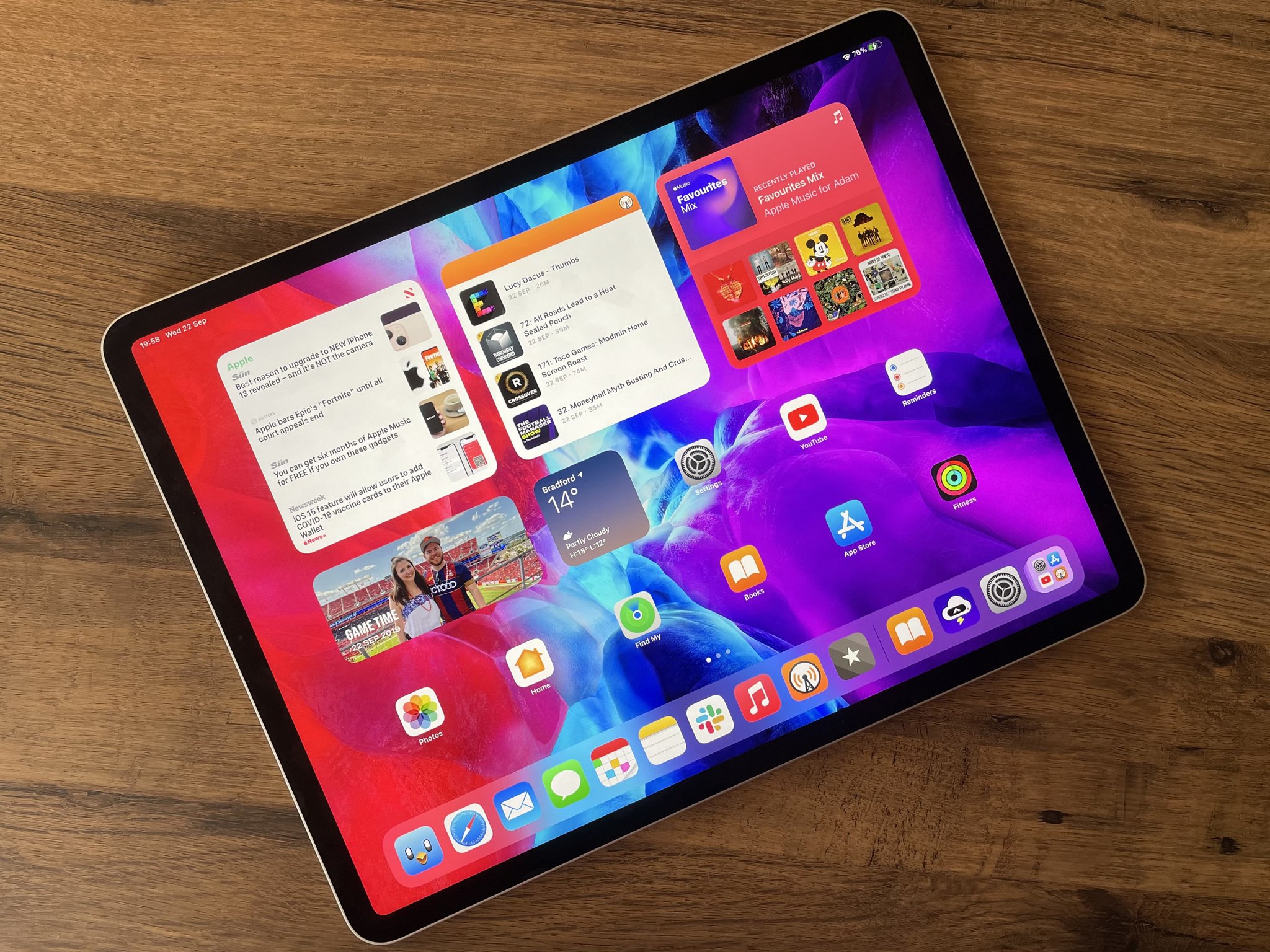
Last week, Microsoft unveiled its latest crop of Surface devices, including a pair of tablets that are clearly designed to compete with Apple's iPad Pro and iPad 9th-gen.

Though the best iPad models continue dominate the tablet space in terms of market share, Microsoft has continued marching on with its Surface lineup and, when you look closely, you begin to realise that Apple and Microsoft's tablet philosophies really aren't that far apart anymore.

Gone are the days of touch-only iPad devices and so-called "toaster-fridge" competition. iPads looks more like Surface devices than ever, and Microsoft continues to make the Surface's tablet experience better. Ultimately, it's consumers that benefit from some real competition in the tablet space since it ultimately results in better products, regardless of which ecosystem you prefer.

Great artists steal

Though it wasn't the first tablet, the iPad was certainly the catalyst for the modern-day tablet market and continues to lead with almost 60% of tablet revenue heading Apple's way. That hasn't put off Microsoft, though, who has continued to bring new Surface ideas to the table over the years since the original iPad debuted.

Though Surface RT was a rough start, Microsoft realized that many users wanted to be able to interact with their tablet in different modes, which the kickstand allowed, and with both touch and traditional input methods like keyboards, trackpads, styluses, and mice.

Consumers benefit from some real competition.

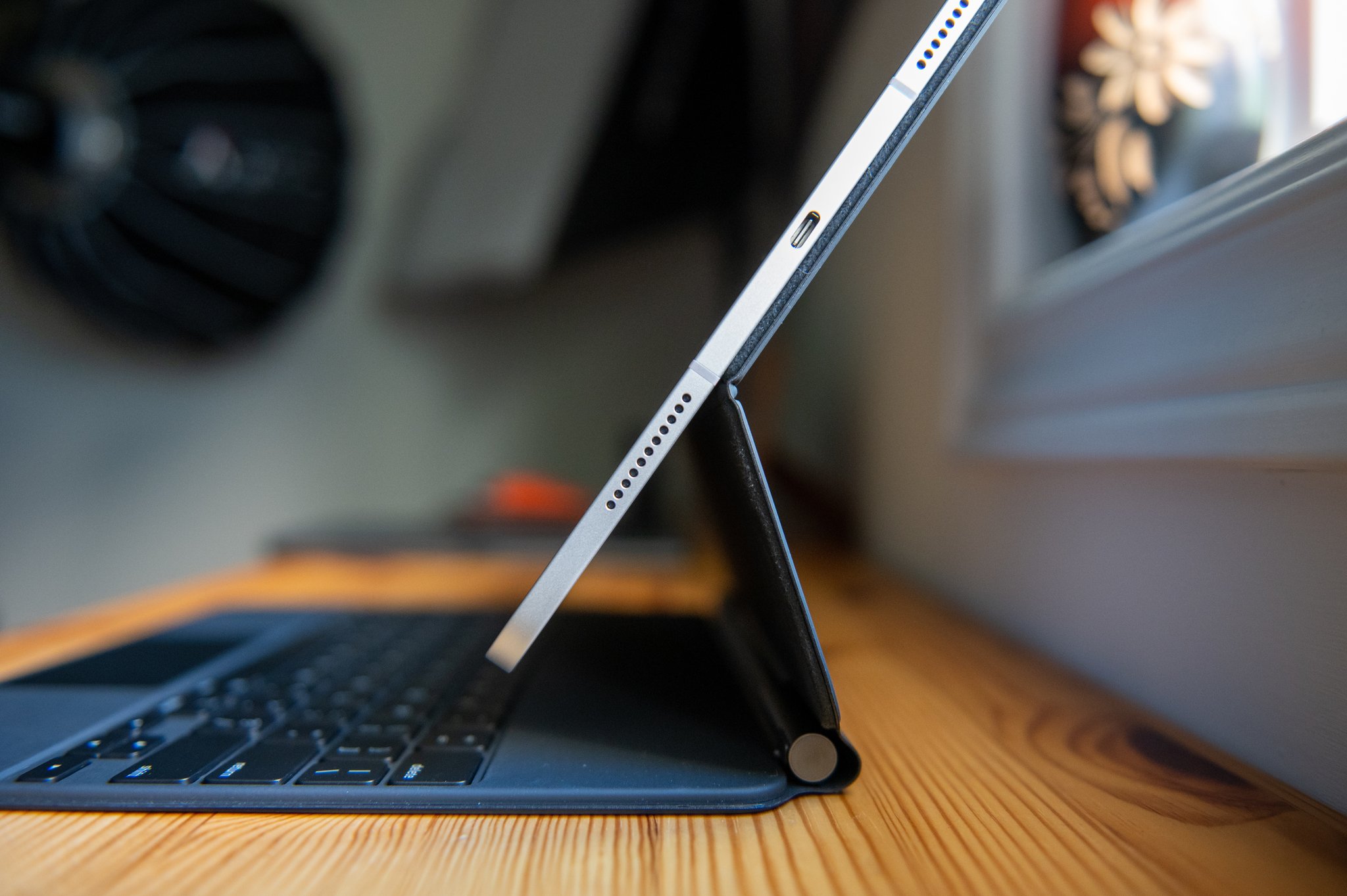
Apple, as always, is happy to steal good ideas where it sees them. It launched its own stylus, the Apple Pencil, in 2015 alongside the first iPad Pro with a Smart Keyboard that magnetically attached to the iPad Pro à la Surface Pro.

The announcement of the adjustable Magic Keyboard was viewed by some as a the final admission that Microsoft actually got the 2-in-1 form factor right with the original Surface.

With the just-announced Surface Pro 8 and the Surface Go 3, Microsoft and Apple's competing tablet lines get even more similar with a host of iPad-like features swinging the other way.

The Surface Pro 8, for example, has a larger, edge-to-edge 13-inch display with a higher refresh rate and True Tone-like color adjustment. It also has Thunderbolt 4, Dolby Atmos speakers, improved cameras, and powerful new Intel chips.

The new Surface Slim Pen 2's wireless charging was no doubt inspired by that of the Apple Pencil 2, even if it occurs in a different spot on the device.

Just as the Magic Keyboard cribbed the Surface Pro's hinge, the new Surface Laptop Studio steals it back for its floating display design.

Even on the low end, Microsoft bumped its Surface Go 3 internally while keeping the outside unchanged as it aims to keep up with the entry-level iPad, which was also powered up this fall.

It all comes down to the software

For many, the mobile-first iPadOS is more accessible and efficient, and comes with the backing of the App Store library, which features all of their favorite apps. Plus, it now has native trackpad and keyboard support, as well as a whole host of Multitasking improvements in iPadOS 15, turning it into a more laptop-like experience.

Windows is familiar for a lot of folks who use PCs at work, so a Surface may have less of a learning curve and feel like a more "serious" OS to use elsewhere. Though Windows has very much been a desktop OS shoehorned onto a tablet in the past, Windows 11 brings some major design changes with the aim of improving touch-based input.

You can do work on either an iPad or a Surface, play games, watch movies, and more. You can use either as a tablet, a modular computer, a laptop, or hooked up to an external display. Either can replace your computer since they are both effectively are computers.

Ultimately, with hardware that is very similar in all the ways that actually matter, your tablet of choice is going to come down to which operating system you prefer to use and which suits your needs better. And that's a great spot for the tablet market to be in.


The Apple Watch Series 7 is a worthy upgrade from the Series 6

It's all about that screen and that display.

When Apple originally announced the Apple Watch Series 7 at its "California Streaming" event earlier this month, I initially had the same reaction as almost everyone else: "IT'S NOT LIKE THE LEAKS! WHAT A DISAPPOINTMENT!" Once I came down from this state, of course, I looked at it again and thought, "it's a modest update that could be enticing for people with an Apple Watch Series 3."

That opinion seems to have remained steady for almost everyone over the last few weeks as Apple has launched its other products that were announced at the event: the iPhone 13, the 6th generation iPad mini, and the 9th generation iPad. We've all been distracted by all of the other new things to worry about the new watch which isn't coming until "later this fall."

However, earlier today, Jon Prosser snapped us all back into Apple Watch mode when he speculated that preorders for the Apple Watch Series 7 might start next week with the new watch set to begin shipping in mid-October. That caused me to, despite already owning an Apple Watch Series 6, take another look at the Series 7 and, after doing so, I have come to a very different conclusion than I did back on Apple Event day.

Now, don't get me wrong here. No one NEEDS the new Apple Watch, especially if you have an Apple Watch Series 6 or Series 5...heck, even a Series 4. However, if you appreciate technology and the seemingly small changes that have bigger impacts, there's actually a couple of things to be excited about here.

It's all about that screen

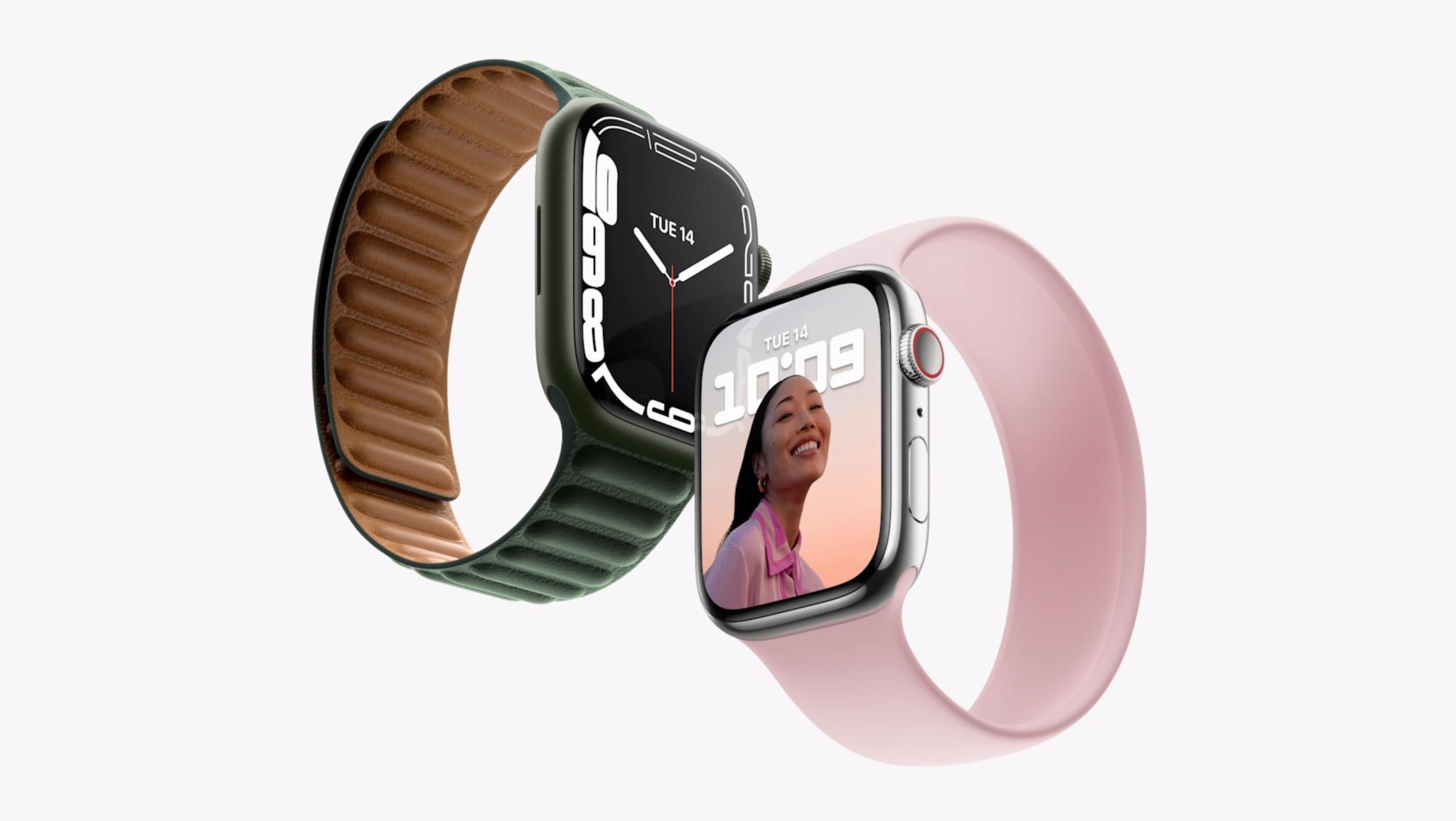
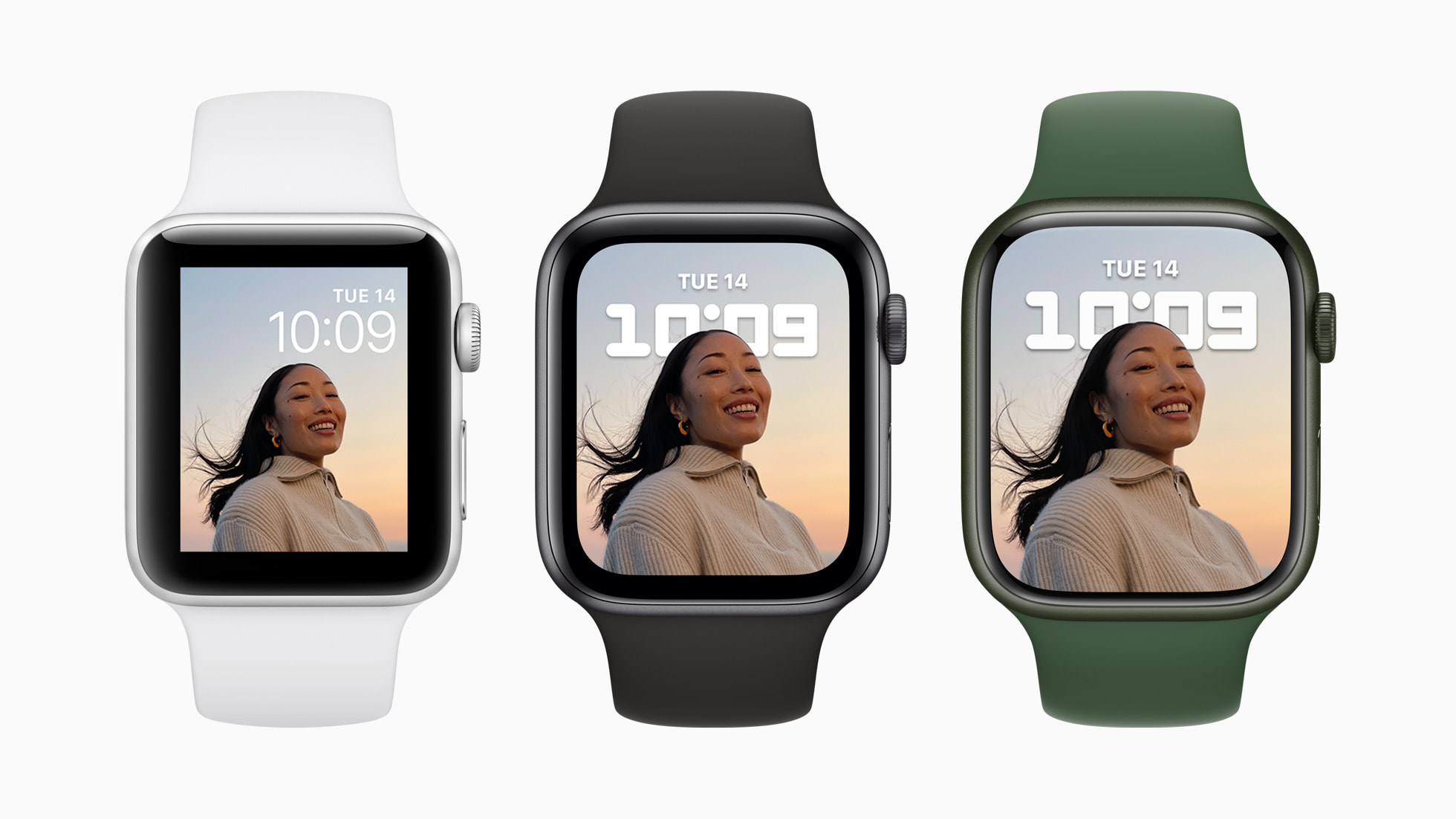
The biggest change to the Apple Watch this year is its new display. With the Series 7, Apple was able to reduce the borders of the watch by 40%, resulting in almost 20% more screen area than the Series 6. This is one of those things that, when I think back to the days of the iPhone 8, I have to appreciate more. When the company unveiled the iPhone X and removed the chin from the iPhone, everyone lost their minds. They were so happy to have an "edge-to-edge" display on the iPhone.

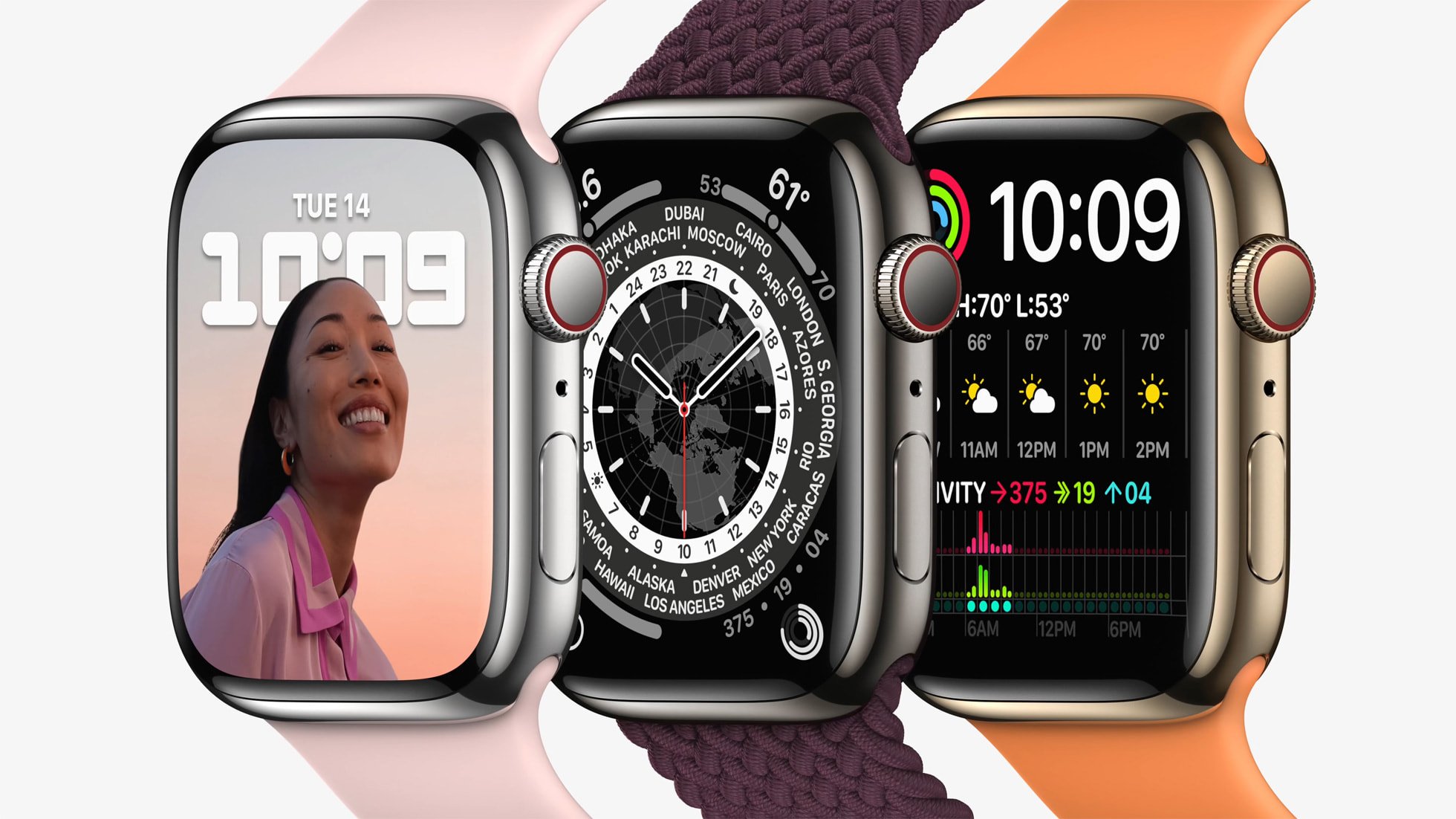
That's kind of what's happening here with the Apple Watch now. Plus, it's not just about having a bigger and more "edge-to-edge" screen. Apple makes use of that space with watchOS to create new watch faces and experiences with the operating system that weren't possible before because of a smaller screen. You can even use a full keyboard on the watch now (although FlickType would have something to say about that).

Imagine if, with the upcoming MacBook Pro redesigns, Apple announces that it was able to shrink the bezels of the display by 40% and there is now 20% more screen real estate on the MacBook. Everyone would throw up their hands in celebration! So, why don't we do that for the Apple Watch? It's a meaningful improvement for all of us who want a better Apple Watch, from the hardware to the software.

A big step for Always-On

Speaking of that display, Apple was also able to increase the brightness of the Always-On display by 70% when it is indoors. While that may sound inconsequential, I think it could improve our behavior when we glance at our watch. Despite the Series 6 already having an Always-On display, I still find myself always waiting for the full brightness to kick in when I raise my watch to look at it.

Glancing at it without full brightness is still just too dim for me, and it still results in using the watch just like I did on previous generations without an Always-On display. With the Series 7, I might actually be able to glance at my watch and move about my day.

For all of us who destroy our watches

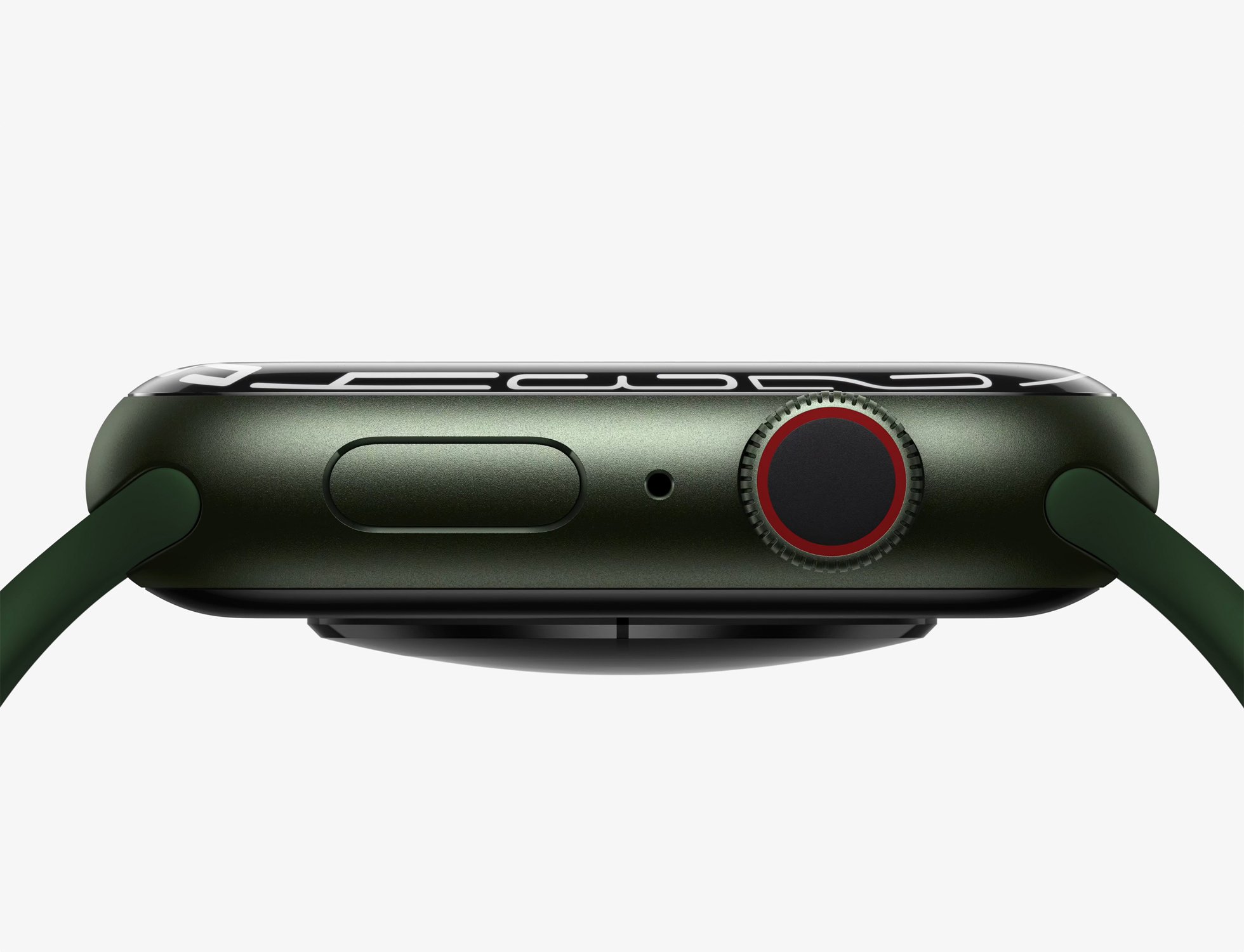
While the other two features are the ones that sway me the most towards the Series 7, I also need to give an honorable mention to the durability upgrades. Apple says that its new watch features a 50% thicker front crystal for more strength and durability and that, due to the new design, is now dust resistant.

I personally have never heard of killing an Apple Watch with dust but I definitely have beaten up the glass on my watches. I hike. I run. I snowboard. I try mountain biking and crash sometimes. These kinds of improvements are meaningful to anyone who likes to do exactly what the Apple Watch was made for - stay active. So, while my other watches have survived my antics, I'm always appreciative of an upgrade to its durability.

More than we thought

Once I put all of this together, I realized that the Series 7 was actually the Apple Watch that I've been waiting for since the Series 5 launched back in 2019. I'll always take a bigger screen in practically the same form factor and a major improvement to the Always-On display makes every moment you glance at your watch better, something we probably don't realize how many times we do in a day.

Of course, if you don't care about these kinds of things, the Apple Watch Series 7 is going to be an easy skip for you. However, if you're the kind of person that appreciates when products push the borders of technology (see what I did there) or find ways to improve the small moment with meaningful results, I think the Series 7 is a bigger upgrade than most of us thought.


Kit out your iPhone 13 Pro with these stunning teardown wallpapers

What you need to know

  • The folks at iFixit have shared new wallpapers that show the innards of Apple's new flagships.
  • Versions of the wallpaper are available for both iPhone 13 Pro and iPhone 13 Pro Max.

Now you can have your wallpaper look like the insides of your iPhone.

The fine folks over at iFixit have today continued their tradition of giving us all a way to look inside our new iPhones without having to take them apart. After ripping their own iPhone 13 Pro apart, iFixit took high-resolution photos of the internals and turned them into wallpapers. You can download them both now.

Different versions are available depending on which iPhone you're using, so make sure to download the one that suits your particular handset. You'll find everything you need over on the iFixit website

Oh, and there are X-ray versions available, too!

Hoping to live out your superhero dreams with some X-ray vision? We've got the goods from Creative Electron to make that happen. These X-rays can show you the magnetic ring for your MagSafe charger, the sensors on those Pro-level cameras, and the shrunken sensor assembly responsible for your newly nimble notch.

Apple's iPhone 13 lineup went on sale last month and is already proving popular. These are the best iPhones Apple has ever made despite the number of bugs that people have been struggling with – including an issue that is currently preventing people from unlocking their new iPhones with their Apple Watches.

Apple isn't done with the releases this year. The Apple Watch Series 7 is still to come, while new AirPods are also said to be in the pipeline for a launch before the end of this year.