Redirecting you to our exclusive offer…

If you are not redirected automatically, click here.

Thanks for visiting! Your offer will open shortly.

This is default featured slide 1 title

Go to Blogger edit html and find these sentences.Now replace these sentences with your own descriptions.

This is default featured slide 2 title

Go to Blogger edit html and find these sentences.Now replace these sentences with your own descriptions.

This is default featured slide 3 title

Go to Blogger edit html and find these sentences.Now replace these sentences with your own descriptions.

This is default featured slide 4 title

Go to Blogger edit html and find these sentences.Now replace these sentences with your own descriptions.

This is default featured slide 5 title

Go to Blogger edit html and find these sentences.Now replace these sentences with your own descriptions.

Wednesday, October 25, 2023

Crypto Mogul Sam Bankman-Fried to Take the Stand in High-Stakes Fraud Trial

Introduction:

In a high-stakes legal showdown, Sam Bankman-Fried, the prominent figure in the cryptocurrency world, is set to testify in his own defense at his fraud trial. This trial has captured the attention of the financial and crypto communities worldwide, as the outcome could have far-reaching implications for the digital asset industry. In this report, we delve into the background of the case, the key players, and the potential consequences of the trial.

In the lead-up to the trial, Bankman-Fried’s legal team has been working tirelessly to build a compelling defense strategy. They have brought in experts in cryptocurrency technology and trading to explain the intricacies of the market to the jury. Moreover, character witnesses from the crypto community have been called to testify to Bankman-Fried’s reputation as an entrepreneur who has, until now, been seen as a force for innovation in the cryptocurrency space.

The Accusations:

Bankman-Fried, the co-founder of the cryptocurrency exchange FTX, stands accused of financial misconduct and fraudulent activities related to his involvement in the DeFi (Decentralized Finance) space. The prosecution alleges that he engaged in market manipulation and embezzlement of investor funds, which has prompted this trial.

The DeFi Revolution:

The world of DeFi has been hailed as a revolutionary force in the financial industry. It offers decentralized, blockchain-based alternatives to traditional financial services, allowing users to trade, lend, and borrow assets without intermediaries. Bankman-Fried’s FTX played a significant role in this movement, making him a prominent and influential figure.

Key Players in the Trial:

1. Sam Bankman-Fried: The defendant and crypto mogul himself, who co-founded FTX and is considered one of the most influential figures in the DeFi space.

2. The Prosecution: Comprising legal experts and financial analysts, they are tasked with proving Bankman-Fried’s involvement in fraudulent activities.

3. The Defense Team: Comprising a team of skilled attorneys, they will attempt to counter the prosecution’s claims and defend Bankman-Fried’s actions.

4. Regulatory Authorities: Several financial regulatory bodies are closely monitoring this case, as it has the potential to influence their future regulations on DeFi and cryptocurrency markets.

The Trial’s Significance:

1. Regulatory Impact: The trial’s outcome could have a profound impact on how regulatory authorities view and govern the DeFi space. If Bankman-Fried is found guilty, it may lead to increased scrutiny and regulations in the cryptocurrency and DeFi industries.

2. Investor Confidence: The trial also has implications for investor confidence in the cryptocurrency market. A conviction could undermine trust in digital assets, potentially impacting their valuations.

3. Precedent Setting: This trial may set a precedent for future legal actions against cryptocurrency and DeFi executives, shaping how they conduct business in the future.

Bankman-Fried’s Defense:

The defendant’s legal team has argued that he was a visionary in the DeFi sector and that his actions were aimed at advancing the industry rather than defrauding investors. They point to his contributions to transparency in cryptocurrency markets and his commitment to adhering to legal requirements.

Public Opinion and Speculation:

This trial has triggered intense debate and speculation within the cryptocurrency community. Some view Bankman-Fried as a visionary entrepreneur who is being unfairly targeted, while others believe that it is crucial to hold prominent figures in the industry accountable for their actions.

Conclusion:

The testimony of Sam Bankman-Fried at his fraud trial marks a pivotal moment in the cryptocurrency and DeFi industry. As the trial unfolds, the world watches closely, waiting to see how it will impact the future of digital assets and the regulations that govern them. Regardless of the verdict, the trial serves as a reminder of the growing importance of ethical conduct and accountability in the ever-evolving world of cryptocurrencies.The trial also sheds light on the broader issue of transparency and accountability in the cryptocurrency world. The lack of regulation has been both a boon and a bane for the industry. It has allowed for rapid growth and innovation but has also created opportunities for misconduct. As the legal battle unfolds, it brings attention to the urgent need for clearer guidelines and oversight in the cryptocurrency sector.

The post Crypto Mogul Sam Bankman-Fried to Take the Stand in High-Stakes Fraud Trial appeared first on TechStory.

Tuesday, October 24, 2023

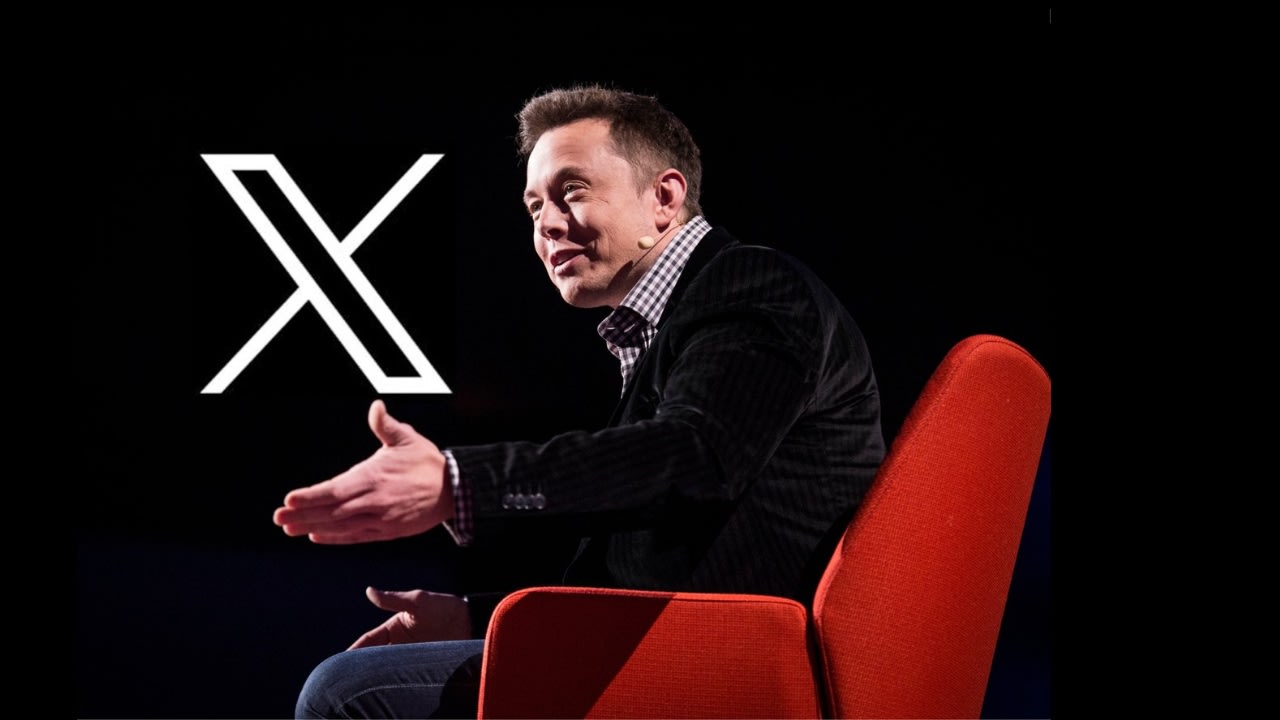
Major Advertisers Worldwide Halt Ad Spend on Elon Musk’s X, Reveals Fresh Data

Following Elon Musk’s acquisition of the social media platform X, a substantial shift has occurred in the advertising landscape, with a remarkable majority of the world’s largest advertisers choosing to distance themselves from the platform. Exclusive data provided to Insider by the prominent marketing consultancy firm Ebiquity sheds light on this significant development.

Ebiquity, known for its collaborations with 70 of the top 100 highest-spending advertisers, according to the reputable media research company COMvergence, unveiled a striking trend. Only two of their clients ventured into advertising on X in the past month. This stark reduction in advertising presence represents a notable departure from the scenario in September of the previous year, just before Elon Musk’s acquisition of Twitter in October. Back then, a thriving 31 brands actively promoted their products and services on the platform. However, the data shared by Ebiquity paints a consistent picture of a decline in the number of clients choosing to advertise on X since the change in ownership.

The ramifications of this exodus from X are further illuminated by a recent report from a leading authority in digital advertising intelligence. Their analysis of data up to October 2023 has brought to the forefront a disturbing revelation. Ad expenditures on X have undergone a substantial 60% decline since Elon Musk’s takeover in October 2022. This precipitous drop in ad spending has sent shockwaves through the advertising industry, casting a palpable shadow over the platform’s future.

Advertiser Apprehensions and Concerns Under Elon Musk’s Leadership

The sudden and significant shift in advertising on X following Musk’s acquisition raises profound questions about the platform’s ability to retain and attract advertising partners in the wake of such a pronounced downturn. This change may have long-lasting implications for the platform and the broader landscape of digital advertising as advertisers reassess their strategies and investments in response to these seismic shifts.

One of the key findings from the report suggests that advertisers are apprehensive about the new direction Elon Musk is steering X. Since assuming control of the platform, Musk has implemented a series of controversial changes, including a relaxation of moderation policies and the dismissal of a substantial number of employees. These actions have left advertisers uneasy, fearing that their brands may become associated with harmful or offensive content on X.

Major Advertisers Worldwide Halt Ad Spend on Elon Musk's X, Reveals Fresh Data
Credits: People Matters

Another significant cause for concern among advertisers is the evident decline in user engagement on the platform. Since Musk took the reins, daily active users on X have dwindled by 10%. This downturn in user engagement signifies that the platform is becoming less attractive to advertisers as fewer users actively participate and engage with the content.

Challenges Ahead for Elon Musk’s X Amid Decline in Ad Spending

The decline in advertising spending on X is posing a considerable challenge for the company, as advertising revenue traditionally constitutes the bulk of its income. Consequently, this decrease in ad spending is placing substantial financial pressure on the platform’s operations and future prospects.

It’s worth noting that Elon Musk has downplayed the concerns raised regarding the reduction in ad spending. He asserts that X is no longer dependent on advertising revenue from the United States for its survival. However, Musk’s comments have left many wondering about the alternative revenue streams that X plans to explore, given the significant role advertising revenue has played in the platform’s business model.

In light of the report, it becomes evident that Elon Musk’s X is grappling with profound challenges. The decline in both ad spending and user engagement is a matter of paramount concern for the platform. The onus now falls on Musk and his team to address these challenges and chart a course for X’s future. Only time will tell whether the platform can successfully navigate these obstacles and regain its footing in the ever-competitive world of social media.

The post Major Advertisers Worldwide Halt Ad Spend on Elon Musk’s X, Reveals Fresh Data appeared first on TechStory.


Monday, October 23, 2023

How Elon Musk Turned the Cybertruck into a Viral Sensation Without Paid Advertising

In a recent and attention-grabbing move, Elon Musk, the mastermind behind Tesla, drove the upcoming Cybertruck to the F1 race in Austin, Texas. This unconventional marketing stunt might appear as a mere publicity gambit, but it speaks to a more profound challenge Tesla is currently facing: how to build excitement around a product that has endured multiple delays, sparked a wide range of reactions regarding its design, and is expected to come with a hefty price tag.


Coincidence or a Publicity Stunt?

Musk’s unexpected appearance at the F1 race garnered substantial attention and was widely perceived on social media as a shrewd form of free advertising. Videos capturing Musk’s entrance quickly went viral, amassing over 600,000 views, with many netizens lauding it as an ingenious ad strategy. Adding a personal touch to the event, a heartwarming video featured Musk’s son, X, waving at the F1 crowd from inside the Cybertruck, emphasizing the uniqueness of this electric pickup.

Tesla’s marketing playbook has historically been a fusion of word-of-mouth and Elon Musk’s dominant presence on social media. However, Musk’s May announcement of a shift toward paid advertising marked a substantial departure from the company’s well-established anti-paid advertisement stance.


Delivery in haste?

The highly anticipated Cybertruck has been shrouded in mystery for years, with its launch date repeatedly delayed. Nonetheless, during the company’s second-quarter earnings call, Tesla CEO Elon Musk finally announced that the Cybertruck will be delivered to customers on November 30, nearly four years after its initial unveiling.

This news sent Tesla’s stock tumbling by 9%, wiping out $16 billion from Musk’s net worth in a single day. The stock drop was likely due to investor concerns as they may have interpreted the announcement as a sign that Tesla is rushing the Cybertruck to market without having fully addressed the production challenges.

Musk himself acknowledged that there will be “enormous challenges” in producing the Cybertruck at scale due to its unconventional design. The truck is expected to be equipped with stainless steel panels and a futuristic shape, which could make it more expensive to manufacture than traditional pickup trucks.


Competition and the Market

Additionally, the Cybertruck is expected to be priced quite high, with some analysts predicting a starting price of over $100,000. This could limit the truck’s appeal to consumers and further dent Tesla’s bottom line.

Curiously, Tesla and Musk have remained silent, declining to respond to inquiries from the media , leaving observers and enthusiasts to speculate.

In the fiercely competitive electric vehicle landscape, Tesla finds itself squaring off against rivals like Rivian, Lucid Motors, Ford, and Chevrolet, all vying to launch their own electric pickup trucks. To stay ahead of the pack, Tesla must succeed in igniting fervor for the Cybertruck, convincing consumers it reigns supreme in the electric pickup category.


Cybertruck’s launch date is just a few months away, but there are still many unanswered questions. It remains to be seen whether Tesla can overcome the production challenges and deliver the Cybertruck to customers on time and on budget. It also remains to be seen whether consumers will be willing to pay a premium for a truck with such a unique design.


The post How Elon Musk Turned the Cybertruck into a Viral Sensation Without Paid Advertising appeared first on TechStory.


Sunday, October 22, 2023

How To Defeat Kraven the Hunter in Spider-Man 2 A guide on Defeating Kraven the Hunter in Spider-Man 2

Kraven the Hunter, a fearsome adversary in Marvel’s Spider-Man 2, poses a significant challenge for players. In this guide, we’ll help you defeat Kraven, the menacing villain who has turned New York City into his hunting ground. We’ll provide you with tips and strategies to take down this formidable foe during the “Anything Can Be Broken” main mission.

Credits – IGN

Kraven the Hunter is a formidable opponent, and he won’t make it easy for you to defeat him. He’s quick, agile, and has an array of tricks up his sleeve, making him one of the toughest boss fights in Spider-Man 2.

Phase One

As the boss fight begins, Kraven will immediately come at you with a powerful ground-punch move that can’t be dodged. The key is to parry this attack by watching for when Kraven is in the air, and a yellow circle turns red. After successfully parrying, seize the opportunity to land some punches on him.

Kraven also uses a move called “Kraven’s Crush.” This move requires you to dodge, as countering it is not an option. Keep an eye on Kraven when he raises his fist to perform this move.

In the arena, you’ll find weapons that Kraven can use against you. You can either throw these weapons back at him using L1 + R1, dodge them, or throw them before Kraven gets a chance to use them. Kraven has also placed mines in the arena, which are signaled by pulsing red rings. Avoid these areas until they detonate to minimize damage.

Kraven may combo moves, like a slow punch followed by a swift kick. You can either dodge or parry these moves. After the third successful parry, Kraven will be momentarily stunned, allowing you to land more attacks and whittle down his health. Remember to save your Focus meter for health recovery.

One of Kraven’s tricky moves is when he throws smoke pellets, blurring your vision. Use the Circle Button to dodge when your Spider-Sense prompts you that danger is imminent. Additionally, the Web-Grabber Gadget can stun Kraven, preventing him from executing moves and giving you an opening to attack.

Phase Two

After depleting Kraven’s health, a new arena with a bell at its center awaits you. When the bell rings, both Peter Parker and the Symbiote are stunned and vulnerable. Your primary goal is to prevent the bell from ringing by using Web-Shooters to keep it stuck. Be vigilant, as Kraven will attempt to hit the bell whenever possible, especially when he throws a spear at it.

Kraven employs stealth tactics during this phase, using smoke bombs to go invisible and perch in a tree. Follow the green laser sight from his sniper rifle to locate him and use a Web Strike to close the gap quickly. Remember to watch your Spider-Sense to dodge his attacks.

Kraven has some cloaking tech during this phase, making it challenging to spot him. Use your Spider-Sense to dodge his flanking attempts or spear throws. When he rushes toward you with a two-handed axe, dodge or parry his swings. Ensure you parry his overhead slam to create an opening for your attacks.

When Kraven is in trouble, he might summon two mechanical beasts. Focus your abilities on defeating these creatures as they can pose a significant threat with their attacks and ability suppression powers. Take them out to ensure Kraven doesn’t get any assistance.

Fighting with Spider-Man in the Black Suit allows you to use the Symbiote Surge (L3 + R3), granting you access to devastating attacks without worrying about taking damage. Utilize this power to your advantage.

The post How To Defeat Kraven the Hunter in Spider-Man 2 </br> <span style='color:#6A6A6A;font-size:20px;font-style: italic;font-weight: 400;'>A guide on Defeating Kraven the Hunter in Spider-Man 2</span> appeared first on TechStory.


Ford Layoffs Increased at Two Plants, but UAW President Hints at Strike End

In a prolonged standoff that’s been making headlines for over a month now, the United Auto Workers (UAW) are embroiled in a strike against the automotive giants, known collectively as the Big Three – Ford, General Motors (GM), and Stellantis. The ramifications of this labor conflict are reverberating throughout the industry, causing a cascade of layoffs due to supply chain disruptions.


Layoffs Multiply as Supply Chain Disruptions Persist

Ford, one of the Big Three, recently announced the latest round of layoffs. They have to part ways with 364 employees, spread across two states. This downsizing, affecting the Sharonville, Ohio Transmission Plant and the Rawsonville Components Plant in Ypsilanti, Michigan, is attributed to a drop in parts demand resulting from the ongoing strikes. These cuts represent just a fraction of the larger picture, with Ford’s production system feeling the pinch due to its high level of interconnectedness.

According to a statement from Ford spokesperson Dan Barbossa, “Our production system is highly interconnected, which means the UAW’s targeted strike strategy has knock-on effects for facilities that are not directly targeted for a work stoppage.”

This isn’t the first wave of layoffs. The Sharonville and Rawsonville plants had already been subject to staff reductions, bringing the total number of laid-off workers to 660 and 45, respectively. These cutbacks are directly connected to the supply chain disruptions brought about by the UAW’s strikes.

The strikes have now reached their sixth week, involving approximately 16,600 workers across three Ford factories in Michigan, Illinois, and Kentucky. Additionally, about 3,100 workers are experiencing layoffs at 10 sites connected to the labor effort. The impact of these strikes has been wide-reaching and continues to escalate.


Industry-Wide Ramifications

General Motors, a major player in the industry, faced its own set of issues earlier this month, with around 500 employees feeling the brunt of layoffs across four production facilities. Notably, last month, GM was forced to shut down a Kansas facility that was employing roughly 2,000 people.

The situation has escalated to such a point that Bill Ford, Executive Chair and great-grandson of the legendary Henry Ford, publicly called for an end to the contract negotiations earlier this week. The UAW strike now encompasses over 34,000 of its members, representing a vast workforce of nearly 150,000 employees across the three automotive giants. According to a study by the Center for Automotive Research, the strike has cost the US economy $4 billion so far.

Moreover, it has had a significant impact on consumers, particularly those who are looking to buy a new car. The strike has caused a shortage of new cars, which has driven up prices. As per a recent study by Edmunds, the average price of a new car in the United States is now over $47,000, which is up from around $45,000 before the strike began. This has also made it more difficult for people to get their cars repaired. Many dealerships are running low on parts, and it is taking longer to get cars fixed. In some cases, people are having to wait weeks or even months for their cars to be repaired.


Ongoing Negotiations and Future Uncertainties

President of the UAW, Shawn Fain, has warned of further walkouts despite recent progress in contract negotiations with the Detroit Three. Although the automakers have agreed to a 23% wage increase over the four-year contract period, Fain believes there is more to be achieved. Additionally, GM and Ford have included cost-of-living adjustments (COLA), resulting in an overall compensation increase of over 30%.

UAW President, Shawn Fain, stressed that their strike against the big car companies is unlike anything they’ve done before, and he believes these highly profitable companies can give more to the workers. But he also mentioned that the strikes might be coming to an end because some members want to vote on the current offers. Fain told union members to stay strong and not let doubts or disagreements get in the way during the negotiations. He also said the union is eager to wrap up the talks.


What is the UAW strike about?

The UAW strike is a labor dispute between the United Auto Workers (UAW) and the Detroit Three automakers: Ford, General Motors (GM), and Stellantis. The strike began on September 15, 2023, and is now in its seventh week, making it the longest by the union in over 50 years. 

The UAW is demanding better wages and benefits, including a 23% wage increase over four years, cost-of-living adjustments, and an end to a two-tier pay scale that was instituted after the near-collapse of the U.S. auto industry during the 2008-09 recession.

The post Ford Layoffs Increased at Two Plants, but UAW President Hints at Strike End appeared first on TechStory.


Saturday, October 21, 2023

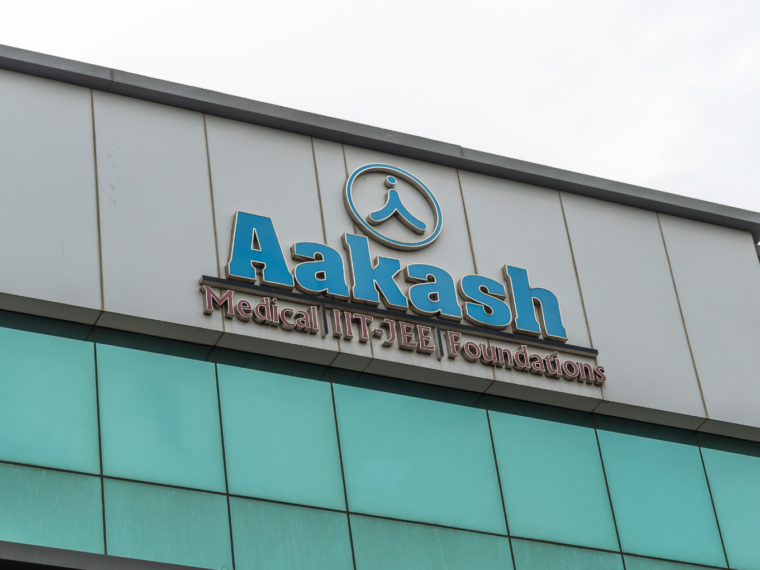
Davidson Kempner, Blackstone to exit Aakash after Pai’s bet

The chairman of Manipal Group, Ranjan Pai, is one of the major figures creating news in the Indian edtech sector, which is going through a transformative phase. His large investment in BYJU’S subsidiary Aakash Educational Services Limited (AESL) has the power to completely change the Indian edtech market. Pai’s strong commitment to the expansion of India’s startup environment is demonstrated by this enormous $300 million investment, which is almost four times the originally reported value of $80 million.

Breaking: BYJU’S Set To Launch Aakash IPO In The Middle of Next Year

Credits: Inc42

Pai’s Strategic Investment:

Interest in Ranjan Pai’s investment approach is growing. He intends to invest $170 million in the initial tranche, and there may be more investments down the road. This large capital infusion is anticipated to settle the debt AESL acquired from Davidson Kempner, which is a critical step for the company’s financial stability.

The BYJU’S and Aakash Saga:

The edtech sector in India has witnessed significant developments this year, particularly in the partnership between BYJU’S and Aakash. The two companies inked a financial agreement, securing a credit line of approximately $250 million. However, a dispute arose when Aakash received only a fraction of the agreed amount, approximately $96 million. Davidson Kempner, the creditor in this case, cited a contract violation. This dispute has led to ongoing discussions between the parties involved.

To resolve the matter, BYJU’S has committed to repaying the amount it received, along with an interest of approximately INR 600 crore (equivalent to $96 million). This reflects BYJU’S dedication to addressing financial obligations transparently and responsibly.

Ranjan Pai’s Expanding Vision:

Pai’s interest in AESL goes beyond mere financial investment. An examination of AESL’s shareholder distribution reveals that BYJU’S parent company, Think & Learn Private Limited, holds the dominant stake at 40%. BYJU’S CEO, Byju Raveendran, owns a 30% share, and the Chaudhry family, founders of AESL, maintain an 18% stake. The remaining 12% is in the hands of the private equity firm, Blackstone.

Ranjan Pai’s intention to acquire a more significant portion of AESL adds a layer of complexity to the ownership dynamics within the Indian edtech sector. The implications of this move may influence the governance structure and future strategies of both BYJU’S and AESL.

BYJU’S: A Year of Transformation:

BYJU’S, one of India’s leading edtech companies, has navigated through a year marked by transformation and financial repositioning. As part of this effort, BYJU’S is actively exploring the sale of two of its US-based subsidiaries, Great Learning and Epic. The proceeds from these potential sales, estimated at up to $1 billion, are expected to be utilized for debt repayment, including the substantial $1.2 billion term loan B.

Furthermore, BYJU’S has recently appointed Kroll, a risk and financial advisory solutions provider, to safeguard the assets of Great Learning on behalf of its term loan B lenders. This underscores the company’s commitment to addressing its financial obligations transparently and responsibly.

Financial Transparency and Staff Reductions:

BYJU’S has declared that it will provide audited financials for FY22 to its board, advisory council, and important investors, such as Peak XV Partners and Prosus, in an attempt to increase transparency. Gaining the confidence of investors and stakeholders is a first step towards this commitment to financial transparency.

Meanwhile, BYJU’S has started to reduce workforce, potentially affecting nearly 4,000 workers. This action is a component of BYJU’S larger plan to streamline its business processes and strengthen its financial position.

Possible Impact of Ranjan Pai’s Investment:

The $300 million that Ranjan Pai is considering investing in Aakash Educational Services Limited could be a game-changer for the Indian edtech sector. If all goes according to plan, the investment will significantly boost AESL’s financial capabilities and perhaps even assist settle the continuing conflict with Davidson Kempner. Consequently, this might potentially strengthen BYJU’S total market position.

Pai’s desire of a larger interest in AESL also calls into question the ownership and administration of the Indian edtech industry. The result of this action will be carefully monitored because it could have a big influence on BYJU’S and AESL’s future plans.

BYJU’S own efforts to restructure its financials and operations, such as selling subsidiaries and reducing staff, are aimed at alleviating the company’s debt burden and ensuring its long-term sustainability. These steps may lead to a leaner and more efficient organization better equipped to navigate the competitive edtech landscape. In conclusion, Ranjan Pai’s investment, coupled with developments within BYJU’S, underscores the dynamism and challenges in the Indian edtech sector.

The post Davidson Kempner, Blackstone to exit Aakash after Pai’s bet appeared first on TechStory.


Microsoft CEO Nadella’s Compensation Sees Significant Drop to $48 Million

Microsoft CEO Satya Nadella’s compensation for 2023 has been disclosed, marking the lowest amount he has received in the past three years. This reduction is attributed to a decrease in stock awards and other incentives. It comes in the wake of an announcement made by Nadella earlier this year, in which he informed full-time salaried employees that their pay would be frozen due to a slowdown in revenue growth.

In fiscal 2023, Nadella received a total compensation of $48.5 million, a decline from the $54.94 million he received the previous year and the $49.85 million in the year before that. The components of his compensation package included $2.5 million in salary (which remained unchanged), $39.23 million in stock, $6.4 million in non-equity incentives, and $360,000 for all other forms of compensation.

Nadella’s performance in terms of financial results fell slightly short of the target, achieving 85.5 percent of the set goals. However, he exceeded the targets for operational results. It’s worth noting that Satya Nadella has earned an estimated $1 billion in financial packages since taking over as CEO in 2014, making him one of the highest-paid CEOs in the technology industry.

Executive Team Compensation Highlights

In the fiscal year under review, Microsoft witnessed substantial growth, with a notable 11 percent increase in revenue, reaching an impressive $211.9 billion. Furthermore, the company’s operating income also saw a rise, climbing from $83.38 billion to $88.5 billion. However, the net income remained relatively steady at $72.36 billion. Notably, the cloud revenue segment displayed a robust 22 percent growth, surging to a remarkable $111.6 billion, although this expansion was somewhat slower compared to previous years.

It’s important to highlight that a significant portion of CEO Satya Nadella’s annual compensation is tied to performance, with over 95 percent of his target compensation being linked to performance-based metrics. Additionally, a substantial 70 percent of his yearly cash incentive is contingent upon achieving predetermined financial goals.

Microsoft, in its proxy statement, claimed, “The annual total compensation for the median employee of the Company (other than our CEO) was $193,770, and the annual total compensation of our CEO was $48,512,537.”

One year ago, the corporate world witnessed a significant disparity in compensation, with the average pay standing at $190,000 while the CEO-to-worker pay ratio was a staggering 289 to 1. Fast forward to the present day, and we observe a noteworthy shift in this landscape, with the CEO-to-worker pay ratio having lowered to a more equitable 250 to 1.

Microsoft CEO Nadella's Compensation Sees Significant Drop to $48 Million
Credits: Reddit

Taking a closer look at the executive team within Nadella’s C-suite, we find a blend of remarkable talents, each compensated for their invaluable contributions. Chief Financial Officer Amy Hood, an indispensable figure in the organization, received a well-deserved $19.9 million in compensation. This substantial package reflects her strategic financial acumen and dedication to the company’s success.

Key Microsoft Executives and Their Compensation in 2023

Judson Althoff, the dynamic head of sales, stands as another pillar of the team. Recognized for his remarkable contributions, Althoff’s compensation amounted to $16.2 million. His expertise in driving revenue growth has been instrumental in the company’s achievements.

President Brad Smith, an influential force in the organization, earned a noteworthy $18.1 million in compensation. His visionary leadership and commitment to guiding the company toward its goals have not gone unnoticed.

Christopher Young, the Executive Vice President responsible for business development, strategy, and ventures, has made substantial strides in these crucial areas. His significant contributions were reflected in his compensation of $9.8 million.

It is evident that the compensation of these key executives reflects their pivotal roles in steering the company’s growth and success. As the corporate landscape continues to evolve, it is crucial to keep an eye on these figures, as they can provide insights into the broader trends and dynamics of the business world.

The post Microsoft CEO Nadella’s Compensation Sees Significant Drop to $48 Million appeared first on TechStory.